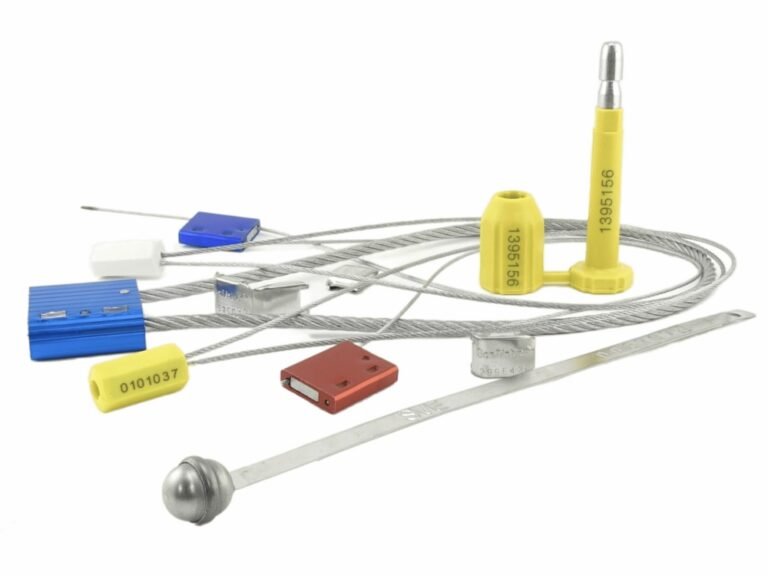
Think your assets are safe behind a tough lock? A determined thief sees that not as a barrier, but as a challenge. The real goal isn't to be unbreakable; it's to create undeniable evidence.
The purpose of tamper proofing is not to create an impenetrable barrier, which is often impossible. Instead, its true goal is to create a reliable system of evidence that makes any unauthorized access attempt irreversible and obvious. It ensures an attempt becomes a permanent signal.
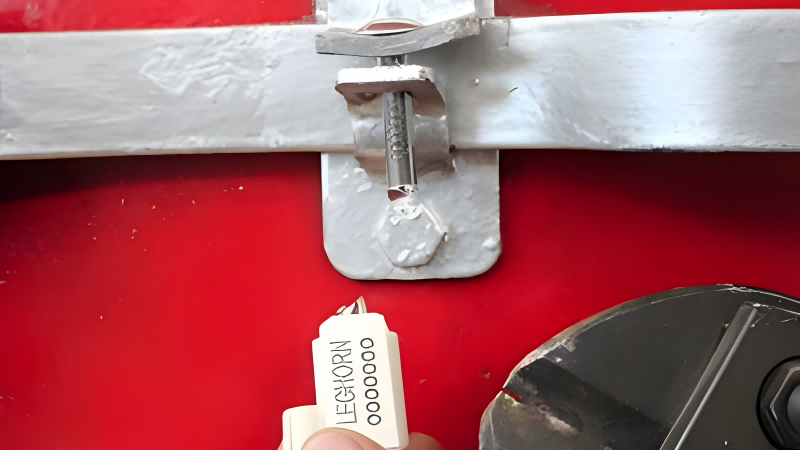
Early in my career, a client asked me for a "completely tamper-proof" container. He wanted something that was physically impossible to break into. I had to reframe his thinking entirely. The professional goal of "tamper proofing" isn't about creating an invincible fortress; that's an unwinnable and wildly expensive arms race. Our real strategic objective, and my core belief, is to build an evidence assurance system. We ensure that any attempt to interfere—successful or not—is converted into a clear, irreversible physical signal. The value of that signal is the real purpose of everything we do.
How Does Tamper-Proofing Differ from Tamper-Evident Technology?
These terms are often used interchangeably, causing confusion. This confusion can lead to choosing the wrong solution, creating a critical gap in your security protocol and wasting your budget.
"Tamper-proof" is an aspirational goal of preventing tampering altogether. "Tamper-evident" is the practical application, focused on providing clear, undeniable evidence that tampering has occurred. Most effective solutions are, in reality, tamper-evident.
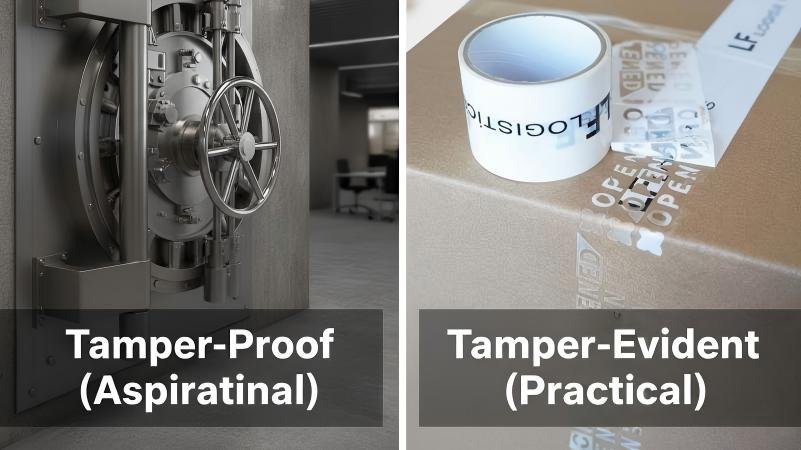
I always clarify this distinction with clients from the very start. Pursuing a truly "tamper-proof" solution—one that absolutely cannot be defeated—is often a fool's errand. A determined adversary with enough time and resources can eventually bypass almost any physical barrier. The far more strategic approach is to use tamper-evident technology. We proceed with the assumption that someone might try to interfere. Our job is to make sure their actions aren't secret. A tamper-evident bag seal, a holographic sticker that self-destructs, or a security tape that reveals a hidden message—these don't stop the initial act, but they rob the perpetrator of their most valuable asset: anonymity. They create a signal that cannot be erased.
Understanding the Key Differences
| Feature | Tamper-Proof | Tamper-Evident |
|---|---|---|
| Primary Goal | Prevent unauthorized access | Provide evidence of unauthorized access |
| Feasibility | Often practically impossible or cost-prohibitive | Achievable with current technology and materials |
| Mechanism | Physical hardening, extreme resistance (e.g., a bank vault) | Visual indicators, material delamination, hidden graphics |
| Real-World Focus | A theoretical ideal | The practical basis for most security seals and labels |
The Primary Goal: Securing the Chain of Custody for Your Assets?
Your products don't just exist in one place; they move. Without a secure process, every single handover point is a potential failure, leaving you liable for what happens in the gaps.
The main purpose of tamper-proofing is to secure the Chain of Custody. It provides a clear, unbroken line of evidence that an asset has remained secure and unmolested from its point of origin to its destination.
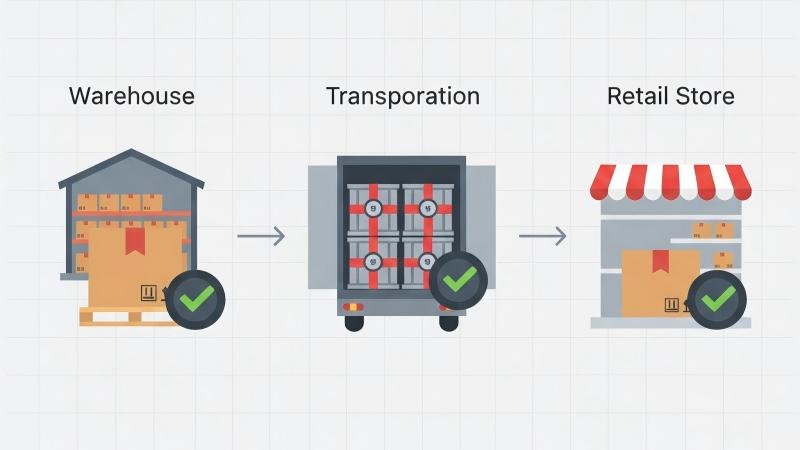
Think of a tamper-evident seal not as a lock, but as a signature. When you apply a uniquely numbered seal to a container and log that number, you are signing off on its contents at that specific moment. The person who receives it checks the number and the seal's integrity. If they match and the seal is intact, they accept responsibility. If the number is different or the seal is broken, they are instantly alerted to a problem before accepting the container. This simple protocol closes the loopholes. I've worked on cases where thousands of dollars of pharmaceuticals went missing in transit. The company's liability was only established by demonstrating their meticulous sealing and logging process. The unbroken seals proved the theft happened after it left their control. The seals didn't prevent the theft, but they provided the crucial evidence that protected the shipper.
Why Is Tamper Proofing Crucial for Brand Integrity and Consumer Trust?
Imagine a customer buying your product, only to find it opened or altered. That single negative experience doesn't just lose one sale; it can trigger a social media firestorm, damaging your brand's reputation for years.
Tamper-proofing is a direct, visible commitment to customer safety and product quality. When customers see a security seal, they are reassured that the product is authentic and has not been contaminated or altered, which builds long-term brand trust.

This is about managing perception and demonstrating care. In sectors like food, pharmaceuticals, and cosmetics, the fear of contamination or counterfeiting is very real. A simple foil seal under a bottle cap or a destructible label over a box flap does more than secure the product—it communicates a message. The message is: "We care about your safety. We have invested in protecting you." This visual proof point is often the final factor in a purchasing decision. I had a client in the high-end cosmetics industry whose product was being counterfeited with cheap, dangerous ingredients. Implementing a custom holographic seal didn't just stop the fakes; their sales increased by 15% because customers finally felt confident they were buying the genuine article. The seal became a symbol of quality and safety.
Beyond Security: Meeting Regulatory Compliance with Tamper Proofing?
You might think security seals are optional, but what if they're the law? In many industries, failing to comply with tamper-proofing regulations isn't just a security risk; it's a legal one that can lead to massive fines.
Many industries are governed by strict regulations that mandate the use of tamper-evident technology. Implementing these solutions is essential for achieving regulatory compliance, avoiding legal penalties, and ensuring your products are allowed on the market.
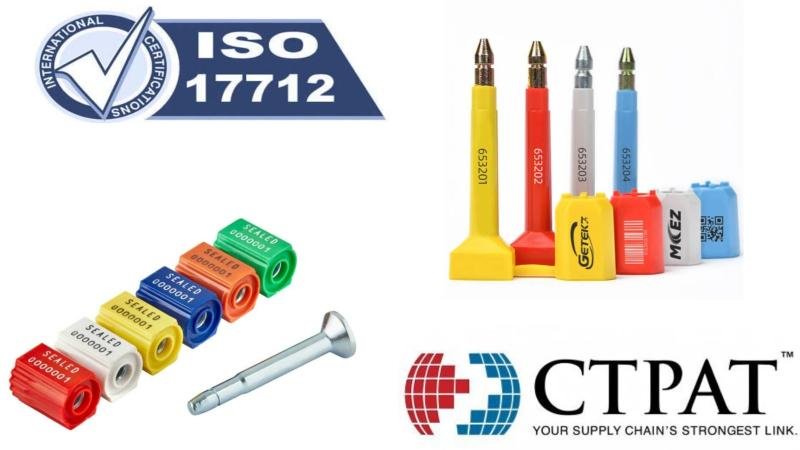
This is where security moves from being a good idea to a mandatory requirement. For example, the C-TPAT (Customs-Trade Partnership Against Terrorism) program requires high-security bolt seals on shipping containers entering the United States. In pharmaceuticals, the FDA has stringent rules on tamper-evident packaging. These regulations exist because the stakes are incredibly high—a compromised shipping container could pose a threat to national security, and a tampered medicine could be lethal. For my clients who export globally, compliance is a primary driver. Choosing a seal isn't just about security; it's about choosing an ISO 17712 compliant seal that will be accepted by customs officials worldwide. In this context, the tamper-evident solution is your passport, proving you adhere to global standards.
How Do You Choose the Right Tamper-Proof Solution for Your Needs?
With so many options available, choosing one can feel overwhelming. A solution that's perfect for a cash bag is useless for a shipping container. The wrong choice wastes money and provides a false sense of security.
The right tamper-proof solution depends on a risk assessment of your specific needs. You must consider the value of the asset, the likely threats, the operational environment, and regulatory requirements to select a solution that provides appropriate and cost-effective security.
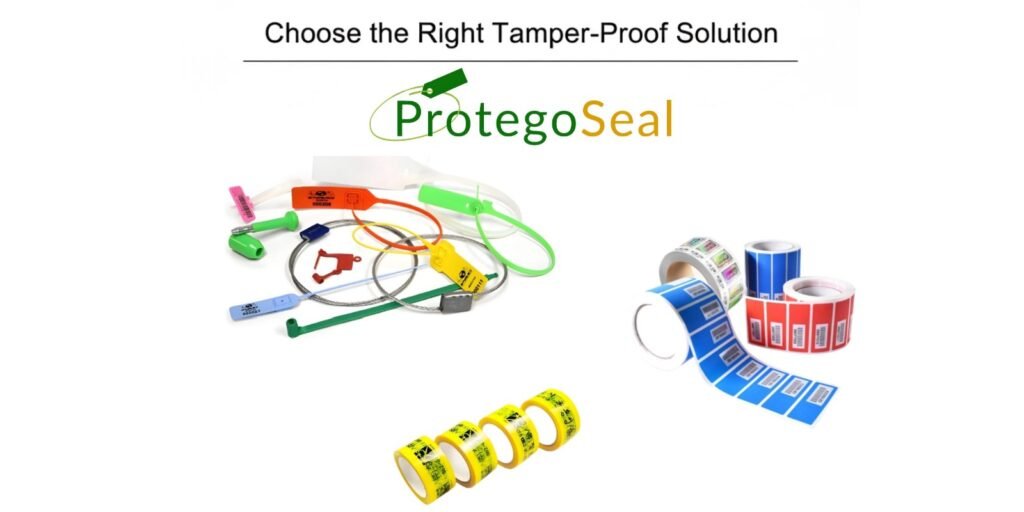
I always guide clients through a simple matrix. First, what are you protecting? A bag of mail requires a different level of security than a container of military hardware. Second, who is your adversary? Are you trying to deter casual, opportunistic theft or a sophisticated, well-funded organization? A simple plastic pull-tight seal is a great deterrent for the former, but you need a high-security cable or bolt seal for the latter. Third, what is the operational journey? The seal must withstand the physical stresses of its environment, from extreme cold to rough handling. A brittle plastic seal might snap in a refrigerated truck, for instance. By answering these questions, we move from a vague need for "security" to a precise specification for the right tool for the job.
Conclusion
The purpose of tamper proofing is not to build an unbreakable wall, but to create an un-erasable signal. It's a system of evidence that protects assets, brands, and consumers.
From Theory to Practice with ProtegoSeal
Understanding the purpose is the first step. The next is implementation. At ProtegoSeal, we provide the practical, tamper-evident tools you need to build your own evidence assurance system. Contact us to find the right solution to turn any tampering attempt into a clear signal.