Have you ever dismissed a plastic security seal as just a simple tag? Many do, and that oversight often leads to costly mistakes. A broken seal isn’t just a minor inconvenience; it can mean a rejected shipment, a failed compliance audit, or a complete loss of customer trust.
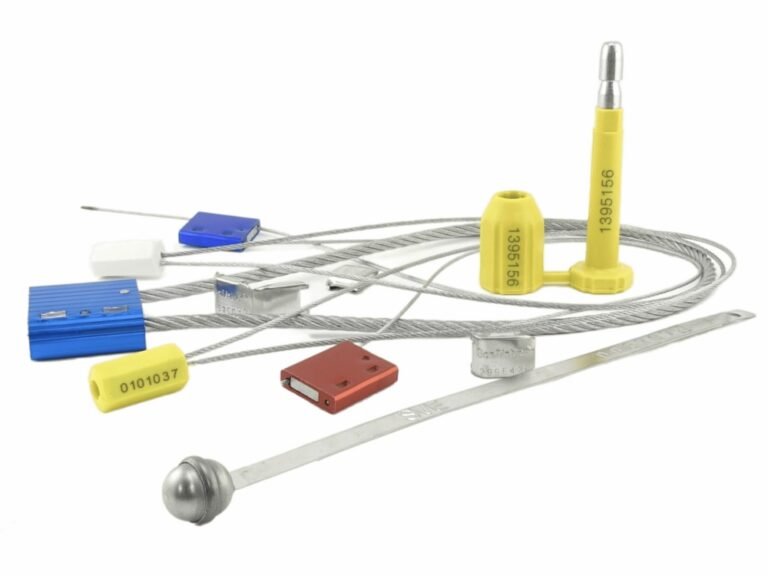
Plastic security seals are single-use, tamper-evident devices designed to secure assets and provide a clear visual indicator of unauthorized access. They are used across logistics, retail, cold chain transportation, pharmaceuticals, and more to create a documented chain of custody and protect goods from theft, contamination, or tampering.

In my projects, I learned that the real questions sit behind this simple definition. Early in my career, I made the mistake of treating all indicative seals the same. But a project involving high-value electronics taught me a hard lesson: the context—the industry, the route, the specific risk—is everything. Let’s break down how these versatile tools perform in different real-world scenarios.
Beyond the Basics: How Do Plastic Security Seals Truly Function in Logistics and Freight?
Thinking a plastic seal is just for keeping a truck door shut is a common oversimplification. The real risk emerges when documentation fails. A missing or mismatched seal number at a border checkpoint can cause delays costing thousands of dollars per day and trigger invasive inspections.
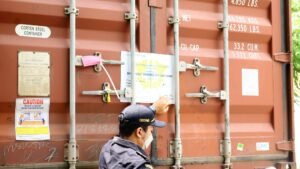
In logistics and freight, plastic security seals serve as a critical component of the chain of custody. Their primary role is not to provide high-strength security but to offer clear, immediate evidence of tampering. Each uniquely numbered or barcoded seal acts as a data point, digitally logged at every key transit point.
Dive Deeper: The Security Seal as a Data Point, Not Just a Lock
In my early projects, I focused on the physical strength of seals. Now, I emphasize the integrity of the sealing protocol. For a large third-party logistics (3PL) client shipping consumer goods, the problem wasn't sophisticated break-ins; it was opportunistic theft at sorting centers.
Our solution was less about a stronger seal and more about a better process. We implemented a simple three-step checklist for their warehouse staff:
- Record & Photograph: Staff must log the unique seal number and take a time-stamped photo immediately after applying the seal.
- Verify on Arrival: The receiving party must verify the number against the manifest before breaking the seal.
- Report Discrepancies: Any discrepancy, no matter how small, triggers an immediate incident report.
This simple protocol reduced their in-transit loss rate by over 40% in six months. It transformed the plastic seal from a passive deterrent into an active part of their data-driven security strategy. While these plastic seals are excellent for indicative security, it's crucial to understand their limits. For international shipments governed by frameworks like the C-TPAT (Customs Trade Partnership Against Terrorism), a simple plastic seal is insufficient. These regulations often mandate the use of high-security bolt seals or cable seals that comply with ISO 17712:2013 standards. Using the wrong seal type here isn’t just a mistake; it's a compliance failure.
Can Plastic Security Seals Endure the Extremes of Cold Chain Logistics?
In standard logistics, a broken seal might mean theft. In the cold chain, it can mean something far worse: the entire cargo of life-saving vaccines or perishable foods could be rendered worthless. The security seal must perform flawlessly in extreme, often wet conditions.
Cold chain plastic seals are made from specialized materials like polypropylene (PP) or nylon that maintain flexibility and strength at low temperatures. They are engineered to resist moisture and condensation, ensuring the locking mechanism doesn't fail and the markings remain legible, even down to -30°C (-22°F).

Dive Deeper: My Costly Mistake with Material Specification
I once worked on a project shipping frozen seafood from Southeast Asia to Europe. To cut costs, the client opted for a standard PP seal, not one specifically rated for cold chain applications. The seals became brittle in the freezer containers, and nearly 15% of them cracked and failed during transit.
This resulted in a huge financial loss as receivers rejected the shipments, unable to verify their integrity. That experience taught me to be meticulous about material science. Here’s my simple material checklist for cold chain projects:
| Feature | Why It Matters | My Go-To Material |
|---|---|---|
| Low-Temperature Ductility | Prevents the seal from becoming brittle and snapping under stress in freezing conditions. | Nylon (PA) |
| Moisture Resistance | Ensures condensation doesn't compromise the locking mechanism or cause printed markings (like barcodes) to degrade. | Polypropylene (PP) |
| Chemical Stability | Resists degradation from cleaning agents used in food-grade containers, a key requirement for food and pharmaceutical safety. | High-Grade PP |
This level of detail is critical. According to a report by the World Health Organization, maintaining the integrity of the vaccine cold chain is paramount. The security seal is the first line of defense in ensuring that integrity has been maintained from factory to patient.
Why a Plastic Security Seal is More Than Just Tamper-Evidence for Food & Pharma?
It's easy to think a security seal's only job is to show if a package was opened. But for pharmaceutical and food products, its role is much deeper. Its presence provides assurance of hygiene and safety, protecting consumers from contamination and ensuring regulatory compliance.
In these sectors, plastic security seals act as a guarantee that the product has remained in a controlled, sterile environment from the point of production to the point of sale. They are a critical tool for meeting standards set by bodies like the FDA (U.S. Food & Drug Administration), which focus on preventing intentional adulteration.
Dive Deeper: The Seal's Role in Hazard Analysis and Critical Control Points (HACCP)
I worked with a dairy producer who was struggling with their HACCP plan. Their "critical control point" for outbound tankers was weak. Drivers could theoretically stop and tamper with the contents, posing a massive contamination risk.
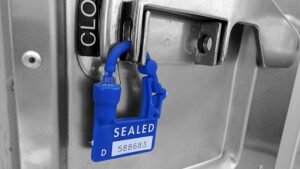
The solution was not just to slap a seal on the tanker hatch. Instead, we integrated a specific type of numbered pull-tight plastic seal into their digital HACCP log.
- At the Plant: A quality control manager applies the seal and logs its unique number into their system, linking it to the specific batch and truck.
- At Delivery: The receiver verifies the seal number against the digital record before unloading.
- Integrity Confirmed: A matching, intact seal confirms the control point was maintained. A broken or mismatched seal puts the entire load under quarantine.
This turned the seal into an auditable data point that satisfied regulators and provided concrete proof of their safety protocol. The seal wasn't just a piece of plastic; it was the physical manifestation of a critical digital checkpoint, ensuring patient and consumer safety is never compromised.
How Do Tamper-Evident Seals Build Trust and Manage Returns in E-Commerce?
In the digital world of e-commerce, customer trust is fragile. When a package arrives, a broken or missing seal can instantly create doubt about the product's authenticity and condition. The consequence isn't just a complaint; it's a negative review that can damage brand reputation.
For e-commerce and retail, plastic tamper-evident seals serve two primary functions: they secure packages during transit to build customer confidence, and they streamline the returns process. A seal on a returned item confirms it hasn't been used or tampered with, preventing returns fraud.

Dive Deeper: Designing a "Return-Friendly" Sealing Process
A common mistake I've seen is brands using seals that are too difficult for customers to remove, creating a frustrating "unboxing" experience. For an online electronics retailer, we had to find a balance between security and customer experience.
Their primary issue was returns fraud: customers would buy a new graphics card, swap it with their old broken one, and return the broken card in the original packaging for a full refund. This was costing them tens of thousands of dollars annually.
Our strategy focused on the inner anti-static bag, not the outer box. We used a simple, low-break-strength plastic seal with a clear message: "Breaking this seal means you accept the item. Returns are not accepted if seal is broken."
This had several effects:
- It didn't interfere with the customer opening the main shipping box.
- It created a clear decision point for the customer before they opened the sensitive product itself.
- It gave the warehouse staff a simple, binary check for returns: Is the inner seal intact?
This simple application of a plastic seal dramatically reduced their returns fraud. The key was placing the seal at the right point in the customer journey and communicating its purpose clearly.
In Luxury Fashion, Can a Security Seal Be a Feature, Not a Flaw?
In the world of high fashion, aesthetics are everything. A clunky, industrial-looking security device can detract from the premium experience. The challenge is to add security without compromising the brand's sophisticated image.
For apparel and luxury goods, plastic security seals are often designed to be part of the product's presentation. They are used on garment tags, boutique boxes, and high-end packaging to prevent "wardrobing"—the practice of wearing an item once and then returning it—while reinforcing brand identity through custom logos and colors.

Dive Deeper: The Security Seal as a Branding Element
I worked with a luxury handbag brand facing a significant wardrobing problem. Their beautiful products were being returned with subtle signs of wear, making them impossible to resell as new. Traditional security tags were too bulky and damaged the delicate leather.
The breakthrough came when we stopped thinking of the seal as a purely functional item and started treating it as a fashion accessory.
- Custom Design: We designed a small, elegant seal with a smooth, rounded body and a thin tail.
- Branding: The brand's logo was subtly embossed on the seal.
- Material & Color: We chose a semi-translucent material in a color that complemented their brand palette.
- Placement: The seal was looped through the zipper pull and a tag, making it impossible to use the handbag without breaking the seal.
The result was a security measure that looked and felt like a deliberate part of the design. It solved their returns problem and added a touch of exclusivity to the unboxing experience. It proved that in certain industries, the design of the seal is just as important as its function.
Beyond the Supply Chain: Where Else are Plastic Security Seals Essential?
Many people assume security seals are only for cargo and boxes. This narrow view ignores high-stakes applications where integrity is paramount. In banking or elections, a compromised seal doesn't just mean a financial loss; it can undermine public trust in entire institutions.
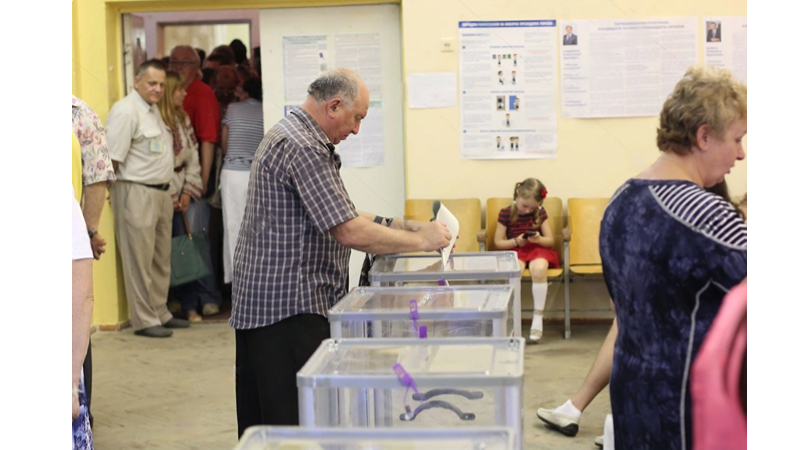
Beyond logistics and retail, plastic security seals are crucial in banking for securing cash-in-transit bags and ATM cassettes; in electronics for warranty validation; and in the public sector for guaranteeing the integrity of ballot boxes and evidence bags, where an unbroken seal is a symbol of a fair process.
Dive Deeper: Security Seals as a Foundation of Procedural Trust
The core function of a security seal in these sectors is to provide an undeniable audit trail and enforce procedural integrity. The goal isn't just to stop tampering, but to prove it hasn't occurred.
Banking: I once helped a regional bank overhaul its cash-in-transit (CIT) protocol. They were using generic, unnumbered tags, making investigations into shortages a nightmare of "he said, she said." We implemented uniquely serialized plastic seals with barcodes. By scanning the seal at every handover point, they created a digital chain of custody. Discrepancies could be traced to a specific time and person, and their investigation time for shortages was reduced by over 90%.
Electronics & Digital Forensics: For electronics, a simple seal on a device's casing can serve as a warranty void sticker. In digital forensics, the integrity of evidence is everything. Seals are used on evidence bags containing hard drives or phones, adhering to strict guidelines like those in ISO/IEC 27037:2012, which covers the preservation of digital evidence. A broken seal can render critical digital evidence inadmissible in court.
Government & Elections: The use of seals on ballot boxes is a powerful example. Here, the seal's visual integrity is a cornerstone of democracy. Its unique number is recorded by multiple observers when the box is sealed and again when it's opened. This simple, transparent process builds public confidence that the votes within have not been compromised.
Conclusion
From a simple truck door to a ballot box, the application of a plastic security seal is defined by its context. Choosing the right one is never about the seal alone; it's about understanding the specific risks, processes, and user experiences of your industry.
How ProtegoSeal Can Fit into Your Next Seal Program Decision
If you're navigating the complexities I've described—whether it's preventing returns fraud, securing a cold chain, or implementing a compliant banking protocol—you know that an off-the-shelf solution often isn't enough. My experience has taught me that a successful sealing program requires a partner who understands these nuances.
At ProtegoSeal, we specialize in more than just manufacturing seals. We focus on creating solutions tailored to the specific challenges of your industry. If you need secure, customizable, and compliant seals backed by expert support, we're ready to help you build a program that truly protects your assets. Feel free to contact us to discuss the specific needs of your next project.