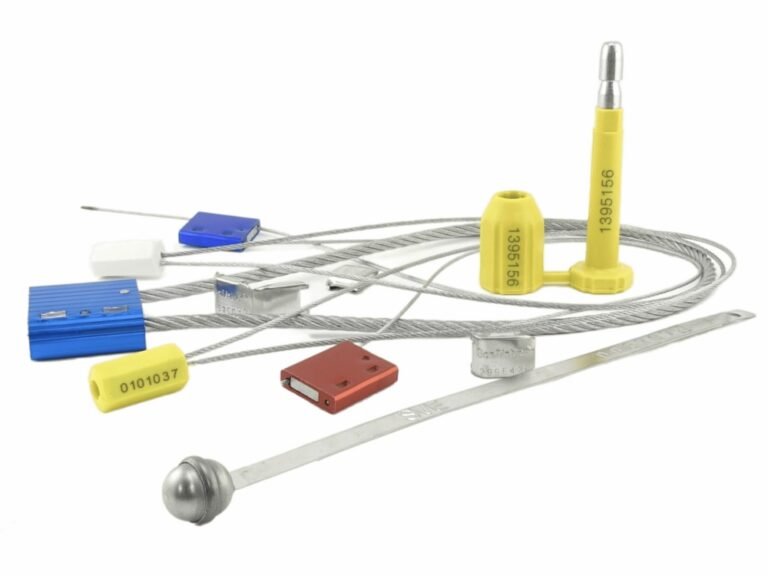
You see "Non-Revenue Water" (NRW) on your reports and attribute it to aging pipes and meter inaccuracies. This view is incomplete and costing you a fortune, as it ignores a major, preventable source of loss: theft.
The amount is often far more than you think. A significant portion of your Non-Revenue Water is likely not from technical leaks but from deliberate, covert meter tampering. High-security seals are the key to separating theft from technical loss and recovering this lost revenue.
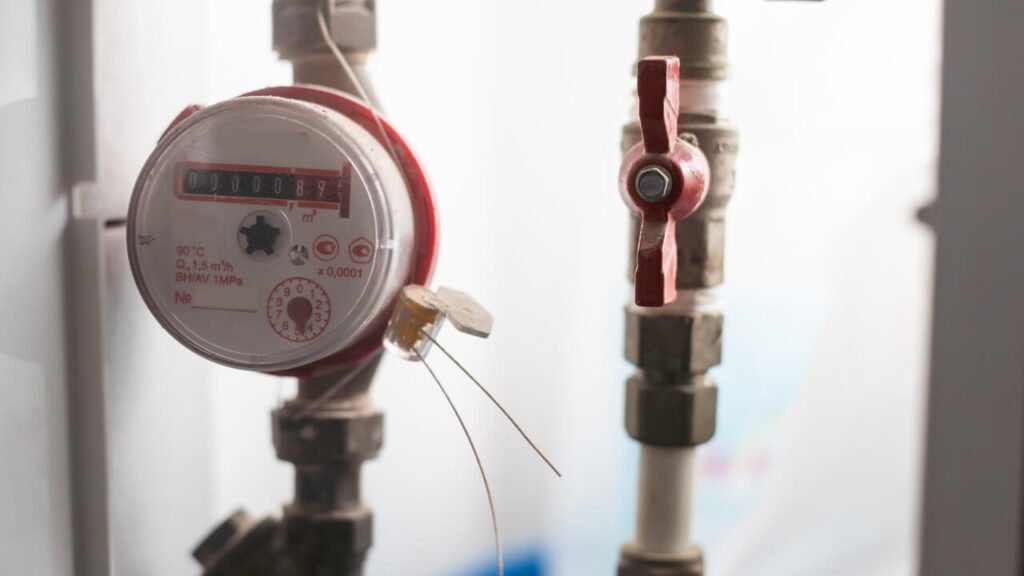
Most water utility managers are conditioned to see Non-Revenue Water (NRW) as a technical problem of physical leaks and natural meter aging. In my 20 years in this industry, I've found this view is dangerously incomplete. A severely underestimated component of NRW is actually a behavioral and security issue: deliberate theft. This requires a complete mindset shift. The strategic value of a tamper-evident security seal isn't just about physically "plugging" a meter. It’s about creating a "management signal." A broken meter seal is no longer a simple maintenance issue; it is a clear data point indicating suspicious activity at a specific location and time. This powerful tool transforms a vague, global "water loss" problem into a series of concrete, actionable "security incidents," moving your management from passive estimation to active intervention.
How to Estimate the Portion of Your Non-Revenue Water Caused by Meter Tampering?
Your NRW percentage is a frustratingly abstract number. How much is leaks? How much is meter error? How much is theft? Without knowing, you're just guessing where to invest your resources.
You can't fix what you can't measure. The most effective way to isolate and quantify theft is to run a targeted pilot program. By installing high-security seals in a controlled area, you can establish a new, lower baseline for water loss, directly revealing the financial impact of tampering.
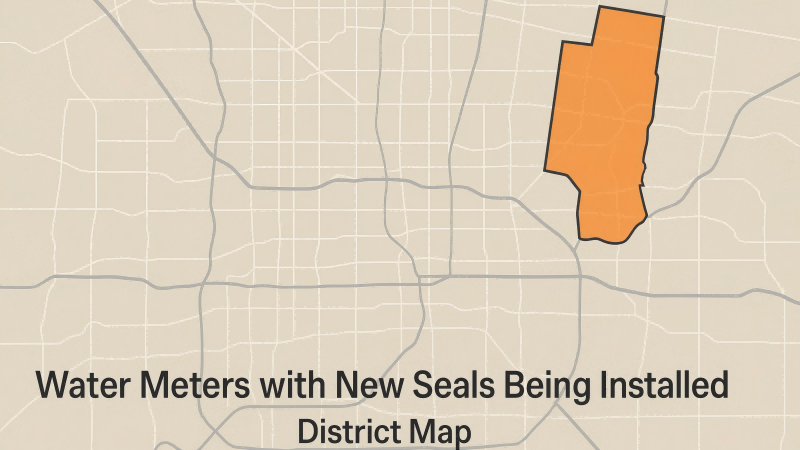
The best way to get a real number is to stop guessing and start testing. A standard water balance audit gives you a total loss figure, but a pilot sealing program tells you why you're losing it. I've guided many utilities through this process, and it's simpler than you think.
Implementing a Pilot Sealing Program
- Select a Controlled Zone: Choose a district or neighborhood (a DMA - District Metered Area) with a representative mix of residential and commercial customers. This will be your testing ground.
- Establish a Baseline: For 3-6 months, carefully measure the total water supplied to the zone versus the total water billed. The difference is your baseline NRW.
- Install High-Security Seals: Go meter by meter and install a properly documented, high-security seal on every single one. Train your staff to check for seal integrity during routine reads.
- Monitor and Measure Again: Run the system for another 3-6 months. Track every broken or missing seal as a potential tampering incident.
- Calculate the Difference: At the end of the period, re-calculate your NRW for the zone. The reduction in water loss compared to your baseline is a hard, financial number that you can attribute directly to the prevention of theft. This is your business case.
What are the Top 5 Common (and Covert) Methods of Water Meter Tampering to Watch For?
You think tampering is obvious—a smashed meter or a crudely disconnected pipe. But the most costly methods are subtle, designed to go unnoticed for months or even years.
If you don't know what to look for, you'll miss the signs. Thieves use clever methods like inserting objects, using magnets, or creating hidden bypasses. Being aware of these tactics is the first step toward stopping them.
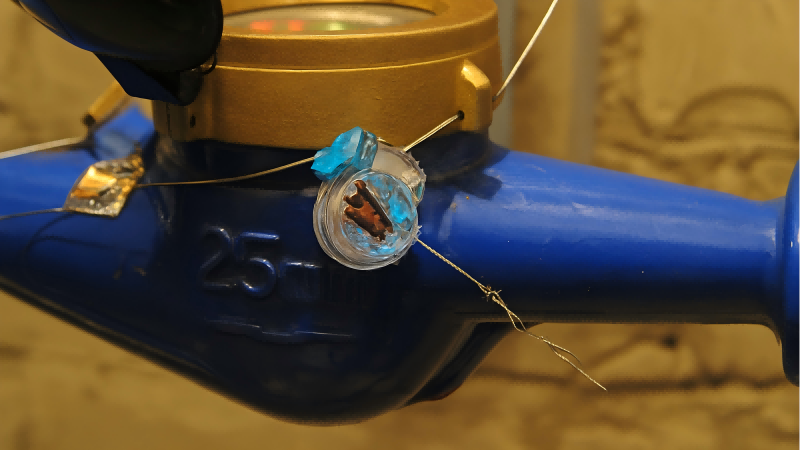
Over the years, I've seen it all. The goal of the thief is always the same: consume water without the meter recording it accurately. Your goal is to make this impossible without leaving obvious evidence. High-security seals are designed to do exactly that.
Here are the top five methods I see most often:
| Tampering Method | How It's Done | How a Seal Prevents It |
|---|---|---|
| 1. Meter Reversal | The user disconnects the meter, flips it backward, and reconnects it. This causes many older mechanical meters to run in reverse, reducing the bill. | A seal on the meter's coupling nuts makes it impossible to disconnect the meter without breaking the seal, providing immediate evidence of tampering. |
| 2. The Bypass | A small, secondary pipe is installed to go around the meter. Water flows through the bypass, completely avoiding measurement. | Sealing the inlet and outlet valves in the closed position on any bypass infrastructure prevents this. You can also use seals on the unions where bypasses are most often installed. |
| 3. Using Magnets | A strong neodymium magnet is placed on top of a mechanical meter. The magnetic field can interfere with the internal mechanism, slowing or stopping the rotating discs. | While seals don't stop magnets, they do secure the meter body. Any attempt to open the meter to "fix" it after magnetic damage will be blocked by a seal. |
| 4. Inserting Objects | The user partially unscrews a coupling and inserts a piece of wire, a pin, or welding rod to physically block the meter's impeller from turning. | Just like with meter reversal, a properly installed seal on the couplings makes it impossible to loosen them enough to insert an object without destroying the seal. |
| 5. Drilling the Meter Body | A tiny hole is drilled into the meter's casing to damage the internal components or relieve pressure, causing inaccurate reads. | This is more destructive, but a seal can act as a visual deterrent. It signals the meter is being monitored, making a user less likely to attempt such a bold act of vandalism. |
How Do High-Security Seals Act as Your First Line of Defense Against Water Theft?
You can't place a security guard at every water meter. You need a low-cost, scalable solution that works 24/7 to deter theft and provide evidence when it happens.
This is the exact role of a high-security seal. It’s not just a piece of plastic; it's a constant, visible deterrent that communicates a clear message: "This asset is monitored. Tampering will be detected."
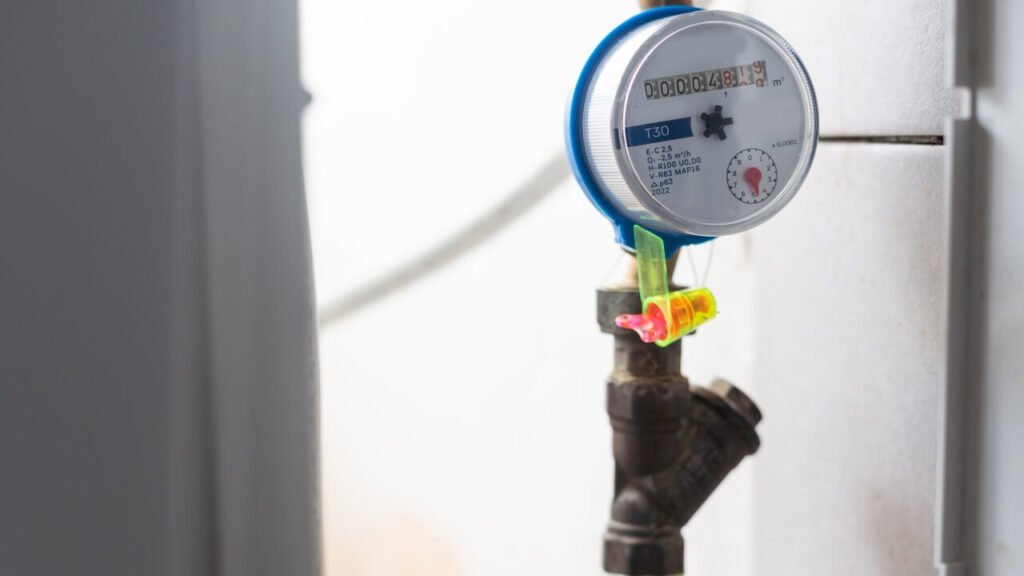
A security seal's power comes from a simple principle in crime prevention: increase the effort and increase the risk of getting caught. A seal accomplishes both.
First, it creates a physical barrier. An unsealed meter is an invitation. It can be tampered with and potentially returned to its original state with no one the wiser. A sealed meter, however, cannot be breached without leaving behind a clear, undeniable sign: a broken or missing seal with a unique serial number.
Second, it acts as a powerful psychological deterrent. The visual presence of a numbered seal tells a potential thief that the utility is serious about security. It suggests that records are being kept and that a missing or broken seal will trigger an investigation. In many cases, this is enough to prevent the tampering attempt from ever happening. It shifts the risk-reward calculation dramatically for the would-be thief. I’ve seen utilities report a drop in suspicious activity the moment a sealing program is announced, even before all the seals are installed.
How to Select the Right Tamper-Evident Seal for Different Types of Water Meters?
You know you need seals, but you're faced with dozens of options. Wire seals, plastic strap seals, metal seals. Which one is right for a mechanical meter versus a smart meter?
Choosing the wrong seal is almost as bad as using no seal at all. The selection must be based on the meter's design, its environment, and the specific tampering risks you need to prevent.
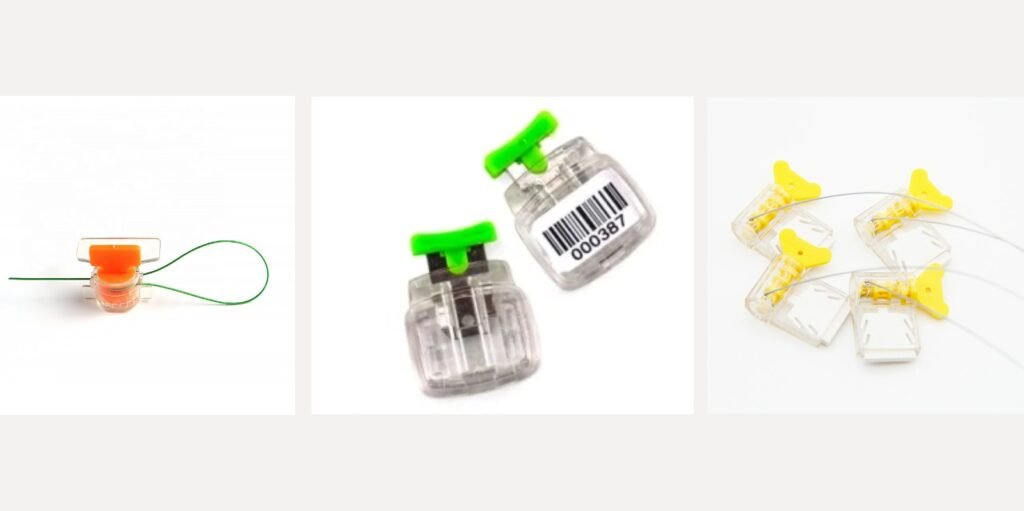
The type of meter is the most important factor in your decision. Their designs and vulnerabilities are different, so their sealing solutions must be as well.
Sealing Mechanical vs. Smart Meters
| Meter Type | Primary Vulnerability | Recommended Seal Type | Why It Works |
|---|---|---|---|
| Mechanical Meters | Physical access to couplings, unions, and the meter body itself. Prone to being disconnected and reversed. | Twister Wire Seals or Padlock Seals | The flexible wire of a twister seal can be threaded through the small drilled holes on coupling nuts, securing them tightly. The transparent body shows any internal tampering with the locking mechanism. Padlock seals offer a robust, fixed lock for valve handles. |
| Smart Meters (AMI/AMR) | Access to the data port, battery compartment, or communication module. Theft is more about data/signal interference. | Adjustable Plastic Pull-Tight Seals | These seals act like a zip tie and are perfect for securing the covers of smart meter electronics. They have a low breaking strength by design, so any attempt to pry open a housing will snap the seal, but they are strong enough for regular use. |
Remember, your supplier should be a partner in this process. I always advise my clients to provide photos of their meters. We can then recommend the best seal based on the specific model and the environment it's in (e.g., outdoor vs. indoor, high-corrosion areas). Due diligence here prevents costly mistakes later.
After Implementing a Sealing Program, How Do You Measure Its ROI in Reducing Revenue Loss?
You've invested in a full-scale sealing program. The seals are on, and your team is trained. Now, how do you prove to management that this investment is paying off?
The success of your program must be translated into financial terms. The Return on Investment (ROI) is calculated by comparing the total cost of the program to the value of the recovered revenue, creating a clear business case.
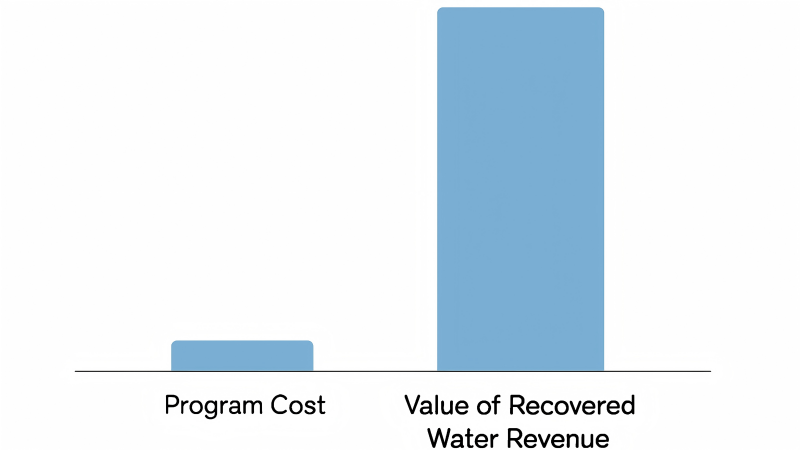
Measuring the ROI isn't just about justifying the expense; it's about building momentum for continued investment in system security. Here is the framework I use with my clients to demonstrate undeniable value.
Calculating Your Sealing Program ROI
- Calculate Total Program Cost: Sum up all the expenses.
- Cost of all security seals purchased.
- Labor costs for installation (man-hours x hourly rate).
- Cost of training staff.
- Calculate Revenue Gained: This is the most critical step.
- Using the data from your pilot program, you found an average reduction in NRW. Let's say it was 5%.
- Apply this 5% reduction across your entire service area's billed revenue. For example, if your total annual billing is $10,000,000, a 5% gain is $500,000 in recovered revenue. This is a conservative estimate, as the actual savings may be higher.
- Compute the ROI: Use this standard ROI formula:
- ROI (%) = ( (Revenue Gained - Total Program Cost) / Total Program Cost ) x 100
- Example: If your recovered revenue is $500,000 and the program cost was $50,000, the ROI is 900%.
When you present a number like that, a sealing program is no longer seen as a cost. It's correctly identified as one of the highest-returning investments a utility can make.
Conclusion
Stop accepting Non-Revenue Water as just a cost of doing business. By treating theft as an actionable security issue and using seals as your data-gathering tool, you can actively recover a significant stream of lost revenue.
Turn Your Water Loss into Revenue with ProtegoSeal
Ready to shift from passive loss to active recovery? At ProtegoSeal, we specialize in creating custom sealing strategies for water utilities. We'll help you select the right seals and measure your ROI. Contact us to start building your business case today.