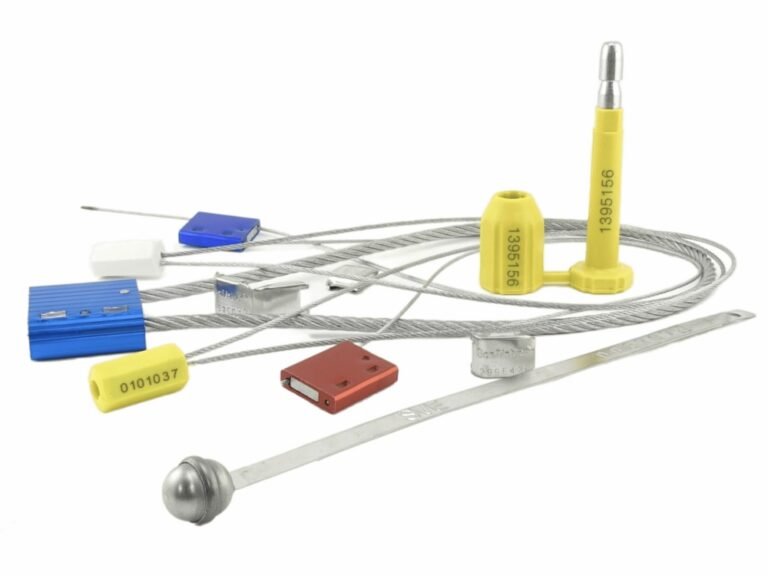
Disputes over tampered goods are a nightmare. The blame game costs time and money, eroding trust between partners. A simple tamper seal ends the debate by providing undeniable proof of responsibility.
The main purpose of a tamper seal isn't to physically stop a determined thief. Its real job is to provide clear, irreversible evidence that tampering occurred. This immediately shifts the burden of proof, making accountability simple and indisputable, which stops disputes before they start.
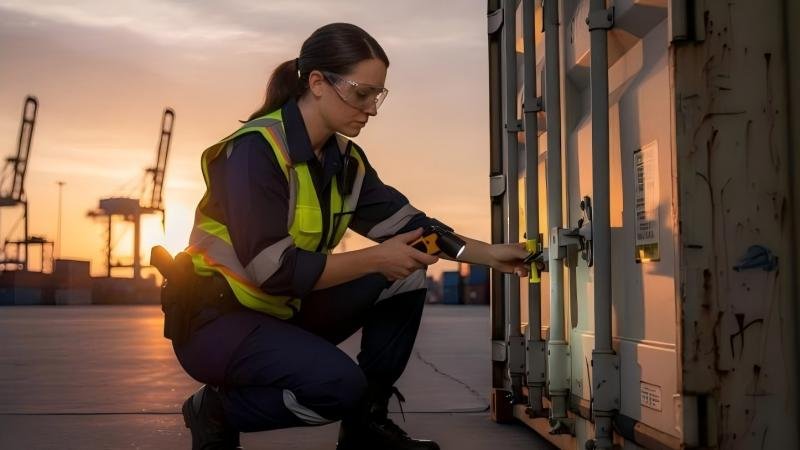
I've seen this principle play out countless times in my career. A client calls me, not because a seal was bypassed, but because a broken seal saved them from a massive liability claim. The seal acted as their silent witness. It’s a small device with huge legal power. This simple object transforms a heated argument into a straightforward procedural check.
How Does It Provide Clear Evidence of Tampering?
You suspect tampering but can't prove it. Without concrete proof, you could be held responsible for the loss. A tamper seal is designed to be your irrefutable physical evidence.
It provides clear evidence through two core features. First, a unique serial number or barcode that is recorded at the point of sealing. Second, a single-use locking mechanism that is designed to be destroyed upon opening. Any discrepancy or damage provides instant, undeniable proof of unauthorized access.
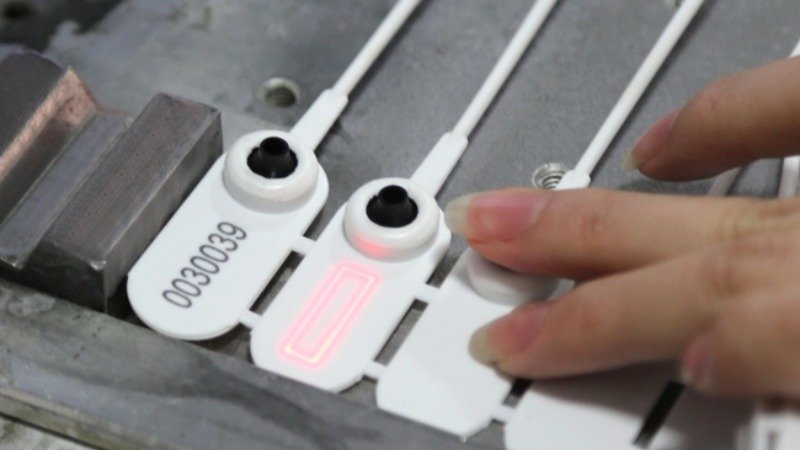
A tamper seal's entire design is focused on creating a self-exposing system. I tell my clients to think of it less like a lock and more like a sensitive informant. Its job is to talk, and it does so by breaking. The moment it's tampered with, its physical state changes permanently. This change is the evidence.
The Two Pillars of Evidence
To be effective, this evidence must be reliable. This reliability rests on two critical design pillars:
- Unique Identification: Every seal has a unique identifier, usually a serial number, often accompanied by a barcode. This number is logged in a manifest or digital system when the container is sealed. If the seal number at the destination doesn't match the record, the chain of custody is broken.
- Intentional Self-Destruction: Seals are engineered for single use. A plastic seal will snap at a designated weak point. A high-security bolt seal requires over 3,400 pounds of force and specialized cutters to remove. Re-sealing is impossible without leaving obvious signs of destruction.
This combination shifts the conversation immediately:
| Scenario Before Seal | Scenario With Seal |
|---|---|
| "Can you prove your container was opened?" | "Can you explain why the seal is broken?" |
| The victim has the burden of proof. | The handler has the burden of proof. |
| The result is a long, costly dispute. | The result is immediate accountability. |
Beyond Prevention: The Deterrent Power of a Tamper Seal?
A thief sees an unlocked container as an opportunity. The potential reward seems high, and the risk of being caught feels low. This calculation is what leads to cargo theft.
A tamper seal changes this calculation. It’s not just a physical barrier; it's a psychological one. The presence of a numbered, logged seal tells a potential thief that any unauthorized access will be immediately and officially recorded. It increases the certainty of getting caught.
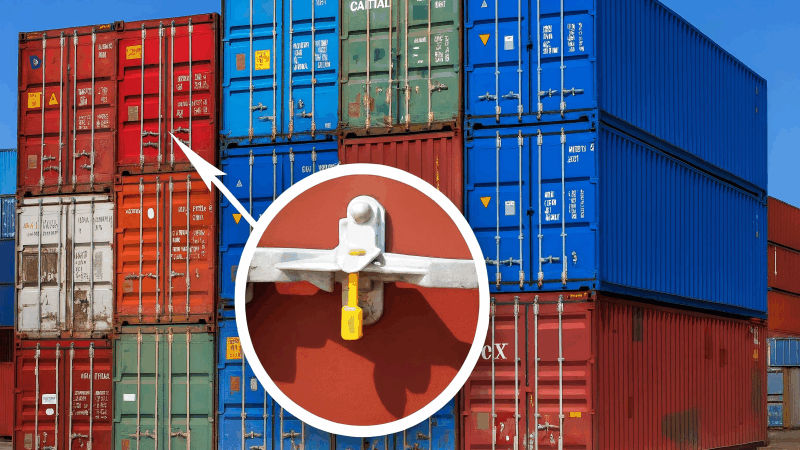
Deterrence is one of the most underrated functions of a seal. In my experience, facilities that implement a strict sealing protocol see a dramatic drop in "opportunistic" theft. Why? Because criminals, like most people, follow the path of least resistance. A sealed container is no longer low-hanging fruit; it's a trap. It signals that a process is in place, that assets are being tracked, and that someone is watching. This concept is backed by a well-known security theory.
The CPTED Principle in Action
This effect is a real-world application of Crime Prevention Through Environmental Design (CPTED). CPTED suggests that the physical environment can be designed to discourage criminal behavior. A security seal is a key part of this "environmental design" for a supply chain.
- Natural Surveillance: A brightly colored, clearly visible seal makes it easy for anyone to spot if a container has been compromised. A broken or missing seal stands out.
- Territorial Reinforcement: Seals create a sense of ownership. They send a clear message: "This property is controlled and monitored." This discourages outsiders from interfering.
- Access Control: While not a lock, the seal acts as a procedural barrier. It forces a potential thief to make a conscious, destructive act to gain entry, an act that is logged and tracked.
Ultimately, the seal forces a thief to leave a business card at the scene of the crime. Most will simply choose an easier target.
How Can You Use Seals to Protect and Track Your Assets?
Just using a seal isn't enough. Without a proper system, it's just a piece of plastic. I've seen companies invest in high-quality seals but fail to see the benefits due to poor implementation.
The key is to integrate the physical seal into a procedural chain of custody. This means creating a formal process for applying, documenting, inspecting, and removing the seal at every critical handover point in your supply chain. This turns the seal into an active tracking tool.
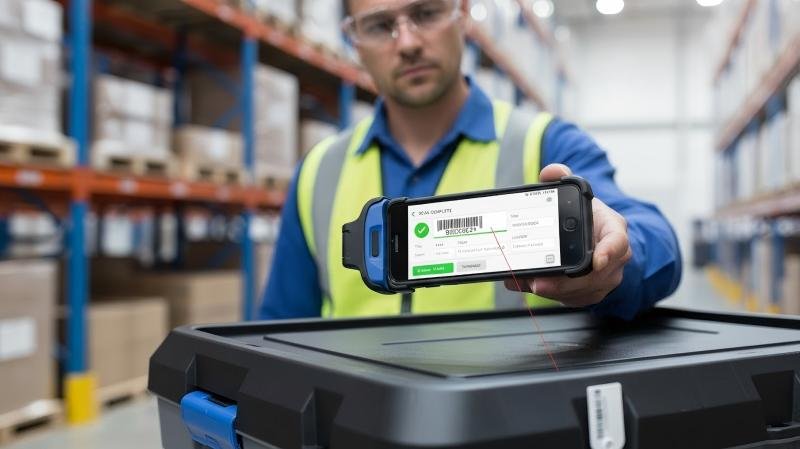
A robust sealing protocol turns your entire supply chain into a closed-loop system. It’s no longer about just securing a door; it’s about creating a verifiable data trail that follows your asset from origin to destination. The physical seal is the anchor for this digital trail. It’s where the physical world meets the data world. Think of it as the password for your cargo.
Building a Robust Sealing Protocol
A strong protocol is your best defense against both theft and liability. I always advise my clients to focus on these four stages:
- Application: The seal should be applied by a designated, trained individual. This person records the seal number, date, time, and location, and verifies the container is secure before applying the seal.
- Documentation: The seal number must be accurately recorded on all shipping documents, such as the Bill of Lading or manifest. This creates the official record that travels with the shipment.
- In-Transit Inspection: At key checkpoints (e.g., leaving a port, arriving at a warehouse), the seal should be inspected. The inspector verifies two things: that the physical seal is intact and that its number matches the documentation. Any discrepancy is flagged immediately.
- Removal: The seal should only be removed by an authorized receiver at the final destination. The receiver documents its removal, confirming the chain of custody was maintained from start to finish.
This process provides end-to-end asset tracking and visibility.
Building Customer Trust: The Role of Seals in Brand Protection?
Your customer receives a shipment with damaged packaging. They suspect goods are missing. This single negative experience can permanently damage their trust in your brand and lead to reputational harm.
A tamper seal is a promise to your customer. It’s a visible commitment to security and professionalism. When a customer sees an intact, properly documented seal on their delivery, it assures them that the product they are receiving is exactly as it was when it left your facility.

In my line of work, I’ve learned that brand protection is not just about stopping counterfeiters. It's also about ensuring the integrity of your product all the way to the end-user. A broken seal can damage a shipment, but a broken promise of quality can damage your entire business. Seals help maintain that promise. For a relatively low cost, they provide a high level of reassurance that directly impacts your brand's image.
More Than a Seal, It's a Message
When a seal is used correctly, it communicates several powerful messages to your customer, reinforcing your brand's value:
- Professionalism: It shows you have a formal, secure logistics process. You don't cut corners.
- Care: It tells the customer you care about their order and have taken extra steps to protect it.
- Safety: For industries like pharmaceuticals or food and beverage, an intact seal is a critical guarantee of product safety and authenticity, protecting consumers from potential harm.
- Transparency: By providing a seal number a customer can verify against their shipping documents, you are creating a transparent and trustworthy supply chain.
A seal is often the first thing your customer interacts with upon delivery. Ensuring it's a positive and reassuring interaction is a simple but powerful tool for brand management.
Why Are Tamper Seals Mandatory in Certain Industries?
A minor theft from a hardware shipment is a financial loss. But a compromised shipment of pharmaceuticals can be a public health crisis. This difference in risk is why seals are a legal requirement in many industries.
Seals are mandatory where the consequence of tampering goes beyond simple financial loss. In sectors like international shipping, pharmaceuticals, and hazardous materials transport, government agencies and international bodies mandate their use to ensure public safety, prevent terrorism, and secure tax revenue.
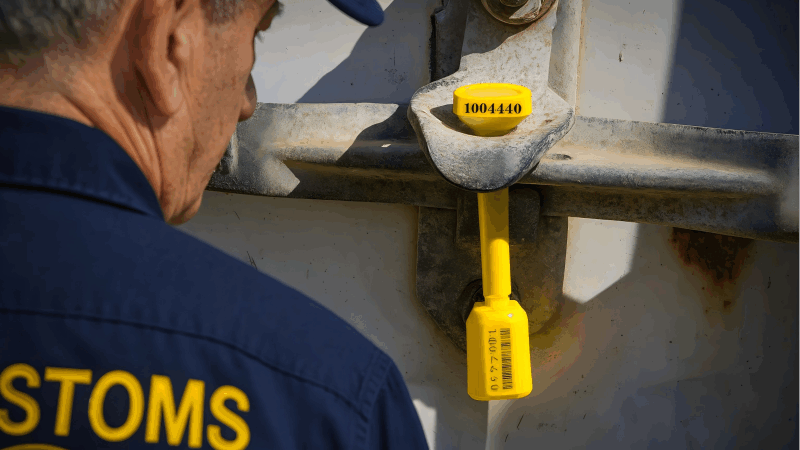
These mandates aren’t arbitrary rules. They are based on decades of risk assessment. For example, after the 9/11 attacks, the U.S. launched the Customs-Trade Partnership Against Terrorism (C-TPAT) program. A core requirement of this program is the use of high-security seals that meet the ISO 17712 standard. In this context, the seal is not just a commercial tool; it's an instrument of national security. It provides a verifiable link in a secure international supply chain.
Key Mandates and Regulations
Several key regulations make tamper seals a non-negotiable requirement. Ignoring them can lead to huge fines, shipping delays, and legal action. Here are a few critical examples:
| Regulation / Program | Industry | Purpose of the Seal |
|---|---|---|
| C-TPAT | International Logistics | To secure containers against terrorism and smuggling. Must use ISO 17712 high-security seals. |
| TIR Convention | International Road Transport | To facilitate customs transit. The seal (TIR seal) ensures cargo isn't tampered with between border crossings. |
| FDA Regulations | Pharmaceuticals, Food | To ensure product safety and prevent contamination or counterfeiting. Required by rules on good manufacturing practices. |
| Hazmat Regulations | Hazardous Materials | To prevent spills and unauthorized access to dangerous substances during transport. |
For businesses in these fields, using the correct, compliant seal is not a choice—it's a license to operate.
Conclusion
A tamper seal's purpose is not to be an unbreakable barrier. Its true power is creating a simple, undeniable record that shifts the burden of proof, deters theft, and builds trust.
Secure Your Supply Chain with ProtegoSeal
Stop arguing over liability and start relying on evidence. The high-quality, compliant security seals from ProtegoSeal are designed to be the foundation of a secure and accountable supply chain. Contact us to find the right seal for your protocol.