- +86 15322882223
- info@protegoseal.com
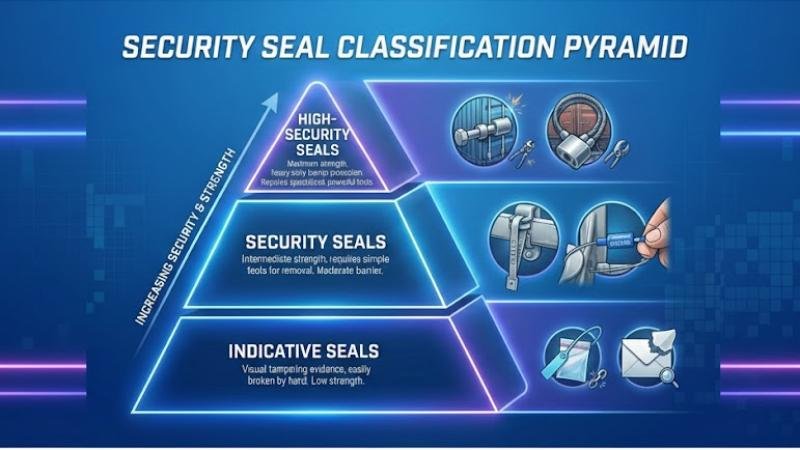
You’re trying to choose a seal and see terms like "ISO 17712," "Indicative," and "High-Security." These technical labels can be confusing, making you unsure if you’re choosing the
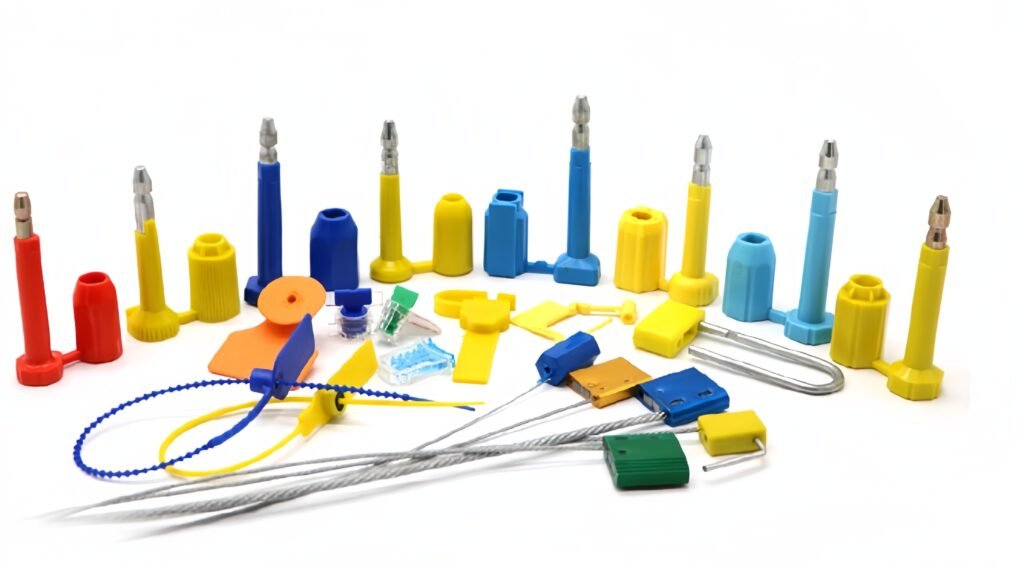
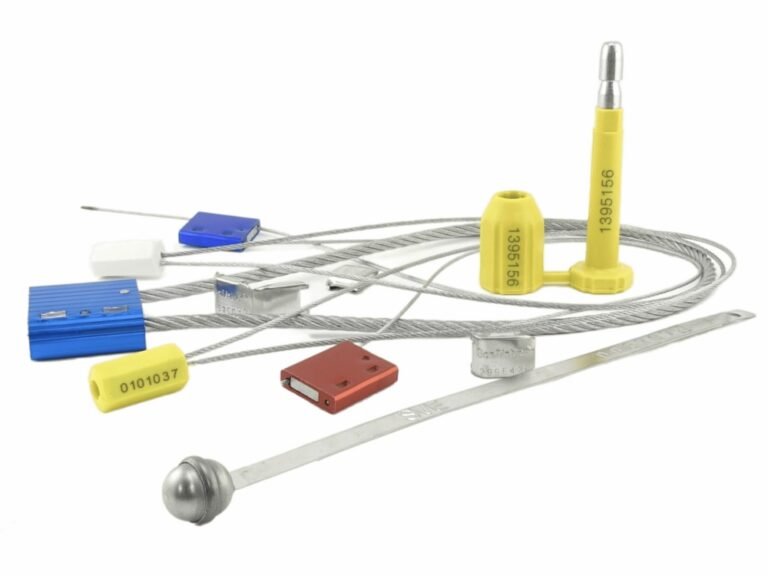
You’re looking at a catalog of security seals—bolt seals, cable seals, plastic pull-tights—and they all seem so different. You feel overwhelmed, worried you’ll pick one that’s too weak
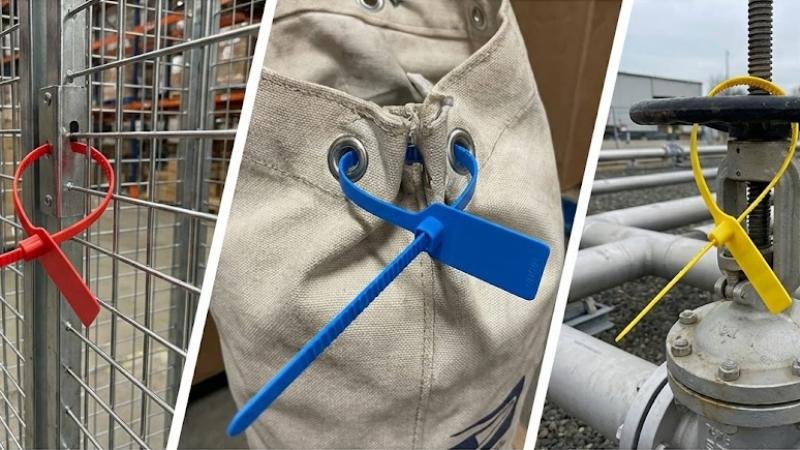
You’re managing a busy warehouse. You need to secure canvas bags, roll cages, tanker valves, and everything in between. Stocking a different fixed-length seal for each job is
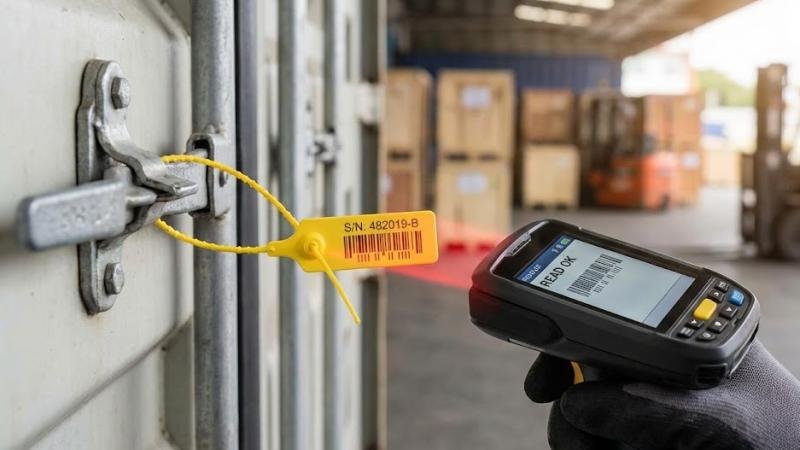
You secure a tote box with a sturdy, unmarked plastic seal. It looks secure. You assume that as long as it’s intact upon arrival, your goods are safe.
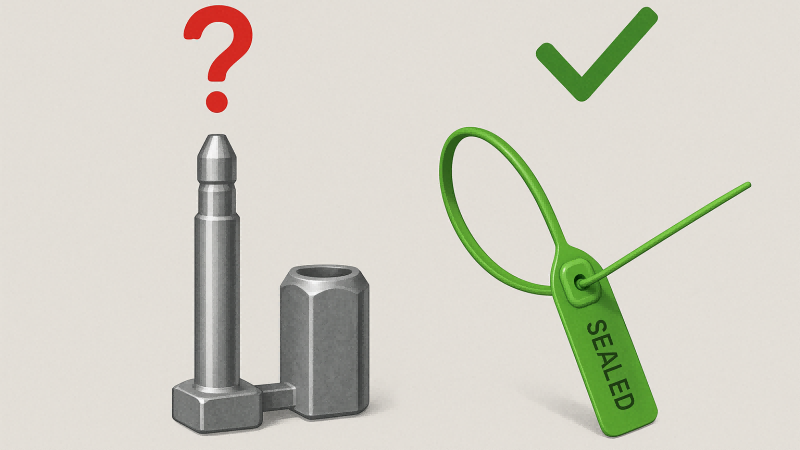
You need to secure a high-value shipment, so you reach for the strongest thing you can find: a heavy-duty metal bolt seal. You equate its strength and weight
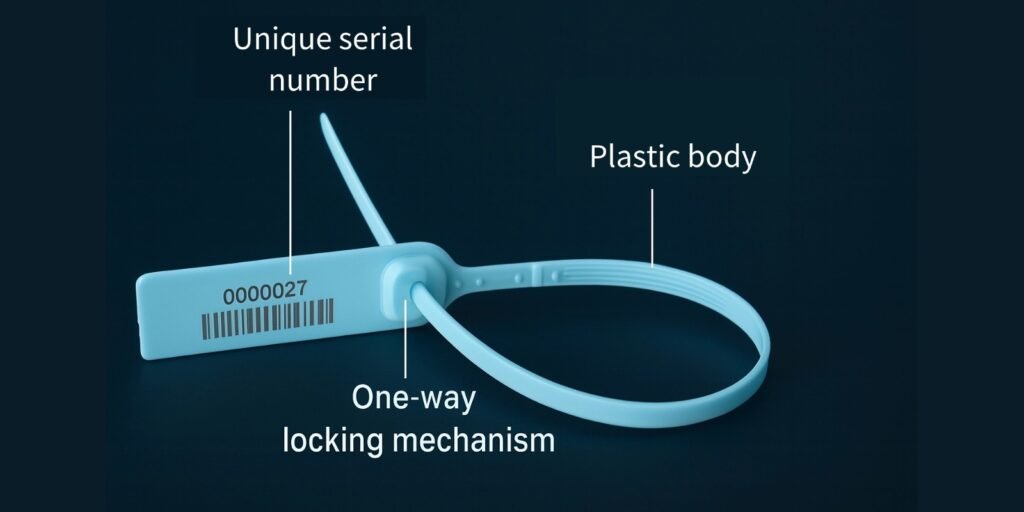
You hear the term "tamper-evident" used for everything from foil on a medicine bottle to a simple padlock. You assume they all offer the same level of security
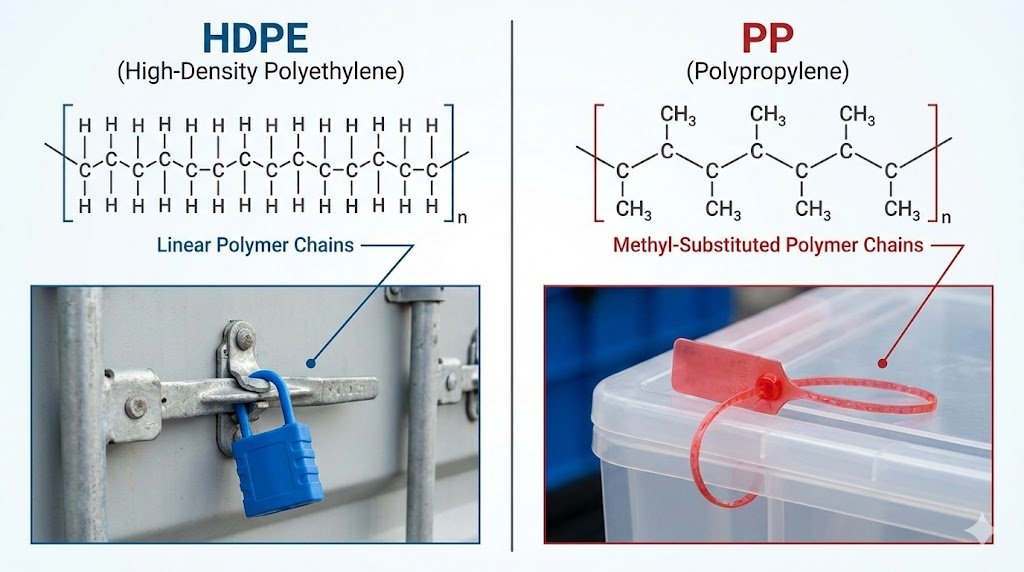
You’re comparing two plastic seals. The spec sheet for one boasts about the "high tensile strength" of its HDPE material. The other highlights the "superior heat resistance" of
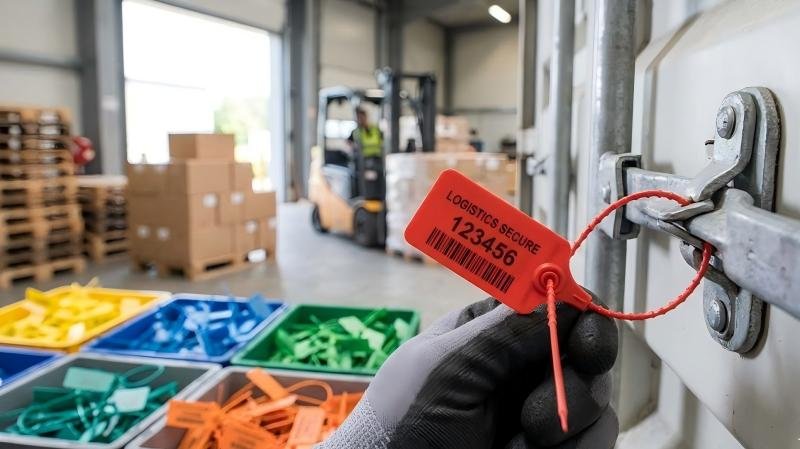
You’re buying plastic seals and see the Polypropylene (PP) option is often cheaper than HDPE. You instinctively think "cheaper means less secure," and opt for the "stronger" HDPE
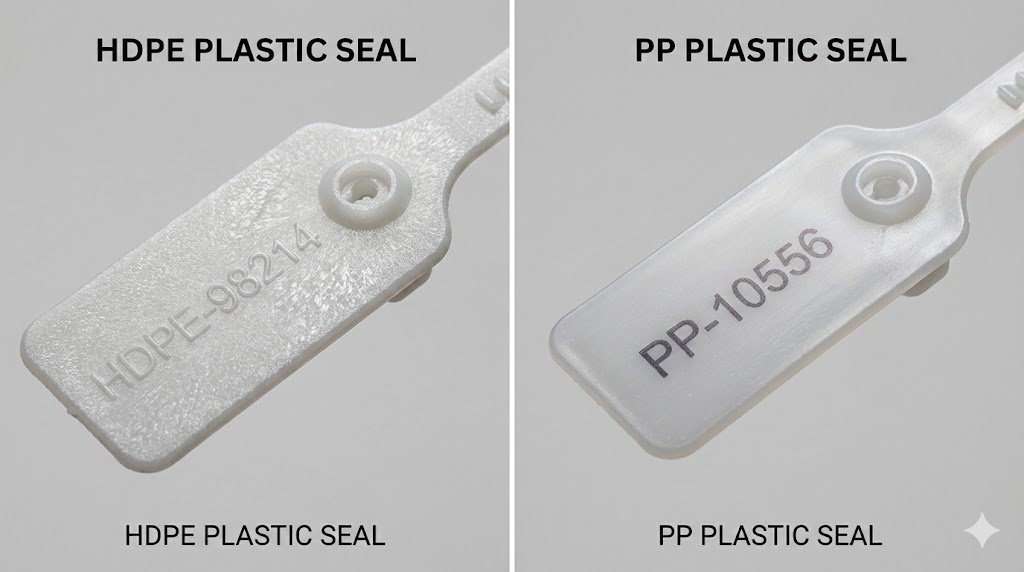
You’re looking at a spec sheet for security seals, and you see two options: HDPE and PP. They’re just plastics, right? You pick the one that’s slightly cheaper,

Micki providing security seals solutions for logistics, retail, and industrial applications.
WhatsApp us
Free standard sample can be provided for your evaluation according to your requirements.