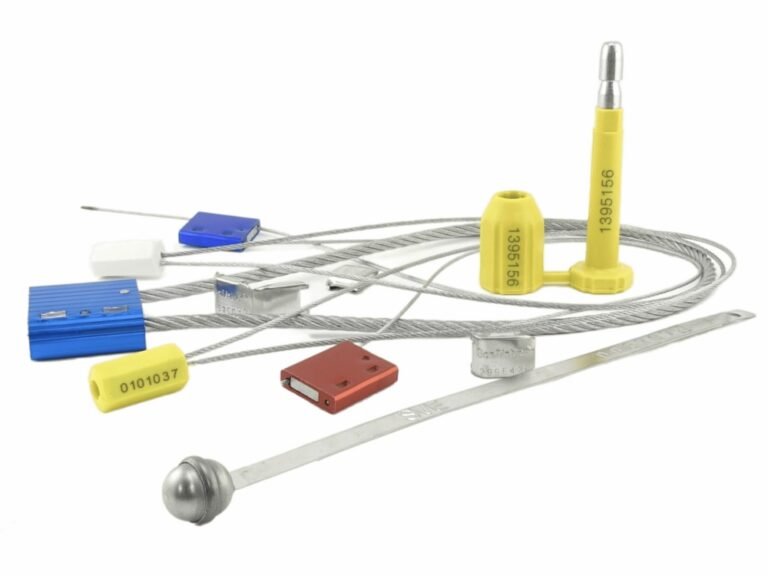
Placing a heavy-duty padlock on a shipping container feels like the ultimate security move. But what happens if someone has a key, or worse, picks the lock without leaving a trace? You're left with missing goods and zero proof of when or how your container was breached.
The critical difference is their core job. A lock is for access control; it uses a reusable key to grant or deny entry. A container bolt seal is for information integrity; it's a single-use device with a unique ID that provides definitive proof that an opening has occurred.
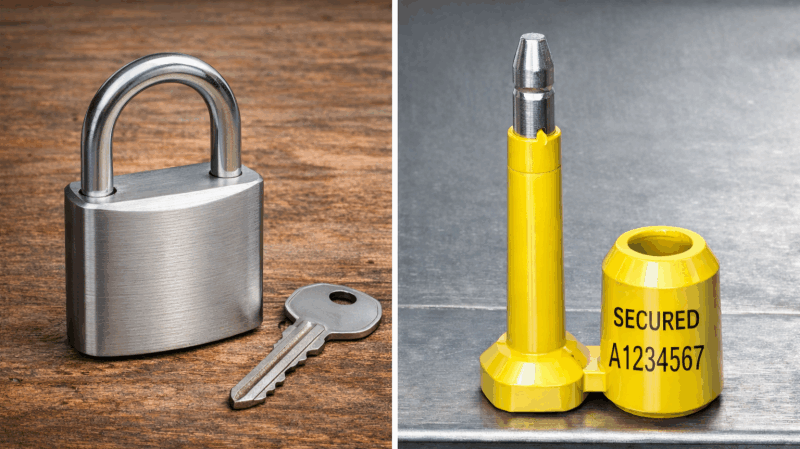
For years, I saw clients use expensive padlocks and still suffer infuriating losses from theft. They were trying to solve the wrong problem. The breakthrough always came when I explained that a lock and a seal answer two completely different questions. A lock asks, "Are you allowed in?" A seal asks, "Has anyone been in?" This simple shift in perspective is the foundation of a truly secure supply chain.
How Does a Lock's Function Fundamentally Differ from a Seal's?
It's easy to see a lock and a seal as similar tools—both are used to secure something. This mindset creates a dangerous blind spot in your security strategy.
A lock's purpose is to be opened and re-closed repeatedly by an authorized person with a key. A seal's purpose is to be applied once and destroyed upon opening. One is for reusable access control, while the other is for single-use evidence of entry.
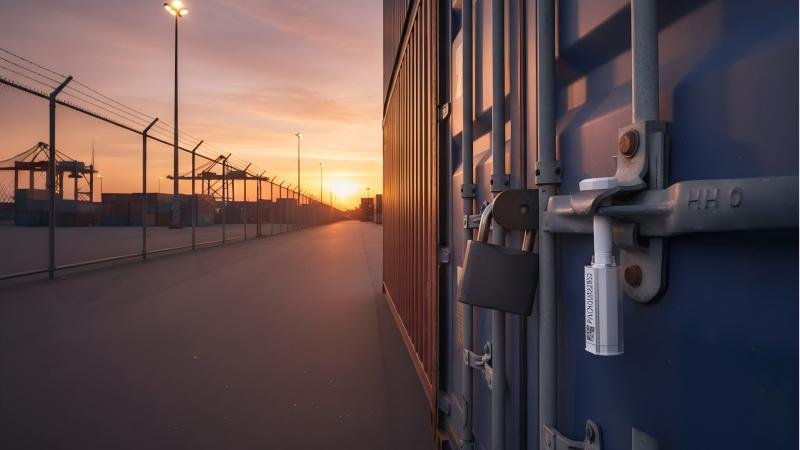
This division of labor is everything. One tool manages who can get in; the other creates a record of if anyone got in. Confusing the two is like using a thermometer to measure distance—you're using the wrong instrument for the task.
Access Control vs. Information Integrity
The best way to understand the difference is to compare their core philosophies. A lock is built on a philosophy of controlled access, while a seal is built on a philosophy of information assurance.
| Feature | Padlock (Access Control) | Bolt Seal (Information Integrity) |
|---|---|---|
| Primary Goal | To grant or deny entry multiple times. | To provide undeniable proof of a single opening event. |
| Mechanism | Reusable key or combination. | Single-use, self-destructive locking mechanism. |
| Reusability | High (Designed to be reused thousands of times). | None (Designed to be destroyed after one use). |
| The "Key" | A physical object or code that can be copied, lost, or stolen. | A unique, laser-engraved serial number that is documented. |
| Security Question | "Are you authorized to open this?" | "Has this been opened since it was sealed?" |
Why Is a Bolt Seal Designed for Single Use Only?
The idea of using something once and then destroying it can seem wasteful. Why not design a seal that can be reset or reused to save money?
A bolt seal is strictly single-use to guarantee an unbroken chain of custody. Because it must be destroyed to be removed, it creates a permanent, time-stamped record of when and where the container was legitimately opened. Reusability would destroy its entire value as a source of evidence.
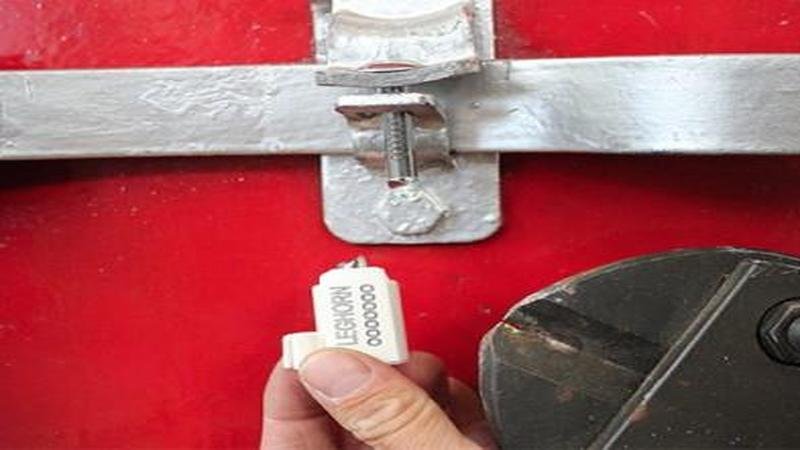
The destruction is the feature. Think of it like the tamper-evident foil on a bottle of medicine. You wouldn't want that foil to be reusable. Its value comes from the fact that once you break it, it stays broken, proving the bottle has been opened. A bolt seal applies the same principle to a five-ton steel container. Its single-use nature is the very thing that makes the information it provides—"I have been opened"—completely trustworthy. Any attempt to defeat this, such as gluing it back together, leaves obvious signs of tampering that a simple inspection can detect.
What Makes a Seal's Unique ID More Secure Than a Physical Key?
A physical key feels tangible and secure in your hand. In contrast, a simple number on a seal can seem less robust. How can a number be more secure than a piece of machined steel?
A key's security weakness is that it's a physical object that can be lost, stolen, or duplicated. A seal's unique ID is secured through documentation. Its number is recorded on the Bill of Lading and verified at the destination. There is no physical "key" to steal; a criminal would have to know the number and find a counterfeit seal with that exact number.

This shifts the security from a vulnerable physical object (the key) to a robust information management process. I worked with an electronics exporter who was losing thousands to theft from containers secured with high-end padlocks. When they switched to documenting unique bolt seal numbers, the thefts stopped. The thieves couldn't get past the information system. They could cut the bolt, but they couldn't replicate the specific, documented seal number that the receiver was expecting. The documented ID number, not the physical strength, became the real deterrent.
Can a Padlock Provide Evidence of Tampering Like a Seal?
You check your container and find the padlock missing or the shackle cut. Surely this is clear evidence of tampering, doing the same job as a seal?
While a broken padlock proves entry, it provides very poor information. It can't prove it's the original lock, and it can't guard against non-destructive entry like lock picking or using a copied key. A seal is designed specifically to reveal these more subtle attacks.
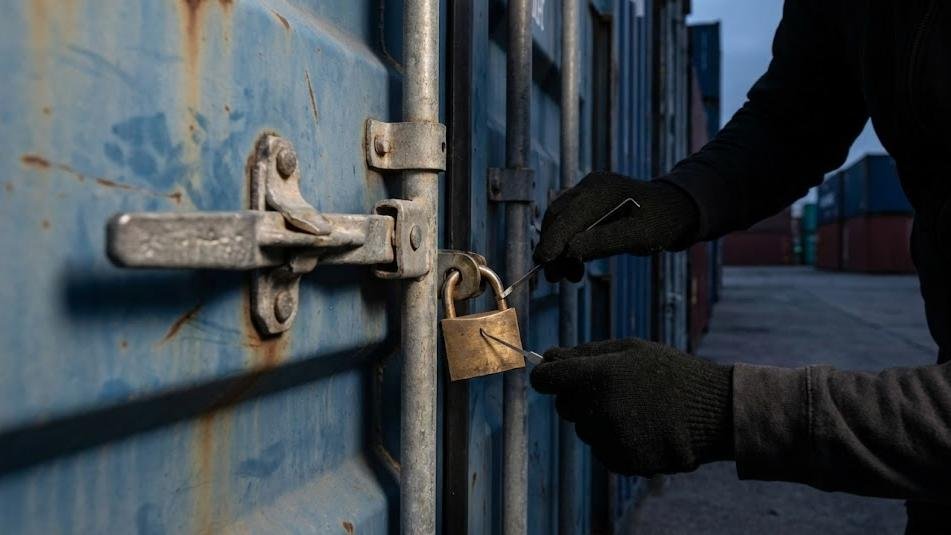
This is a critical flaw. A professional thief's goal is to leave no trace. They might use a bump key or pick the lock, steal goods, and re-lock it. To you, everything looks fine until you open the container and discover the loss. You have no idea when, where, or even if the theft occurred during transit. A bolt seal, however, makes this kind of covert entry impossible. Since it has a unique, documented ID, a thief cannot replace it with another identical one. Any entry, destructive or not, forces the removal of the original seal, breaking the documented chain of information and providing immediate, undeniable evidence of tampering.
Choosing the Right Tool: When Is a Lock Appropriate, and When Is a Seal Essential?
You now understand the difference, but how do you apply this knowledge? Using the wrong tool, even with good intentions, can leave you exposed.
Use a lock when you need reusable access for trusted personnel, like on a warehouse door or a local delivery truck. Use a seal when you need to guarantee the integrity of goods over a long, untrusted journey, like in international shipping, where the cargo will be out of your control.
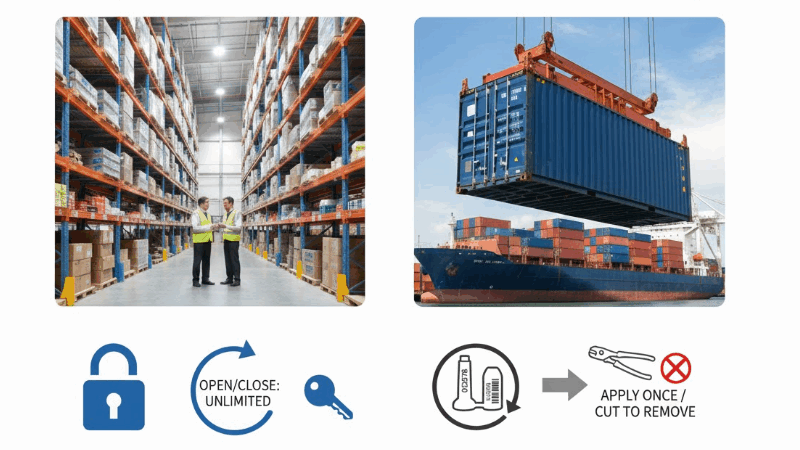
The best strategy often involves using both, but for their correct roles. I often advise clients to use a high-quality padlock to secure the container doors, but to then place a uniquely numbered bolt seal on the locked handles. The lock provides a physical barrier, while the seal provides the unbroken chain of evidence. If the container arrives with the lock missing but the seal intact, you know the lock was tampered with but the container itself was never opened. This layered approach uses each tool for its intended purpose, creating a far more robust security system.
Conclusion
A lock controls access, while a seal protects information integrity. A lock is for repeated, authorized entry, while a seal is for providing single-use, definitive proof of entry. Choosing the right tool for the job is fundamental to real security.
Secure Your Information, Not Just Your Doors, with ProtegoSeal
Stop relying on just locks for your supply chain security. We provide ISO 17712 certified High-Security Bolt Seals that offer the undeniable evidence you need to protect your cargo from origin to destination. Contact ProtegoSeal to build a security system based on information integrity.