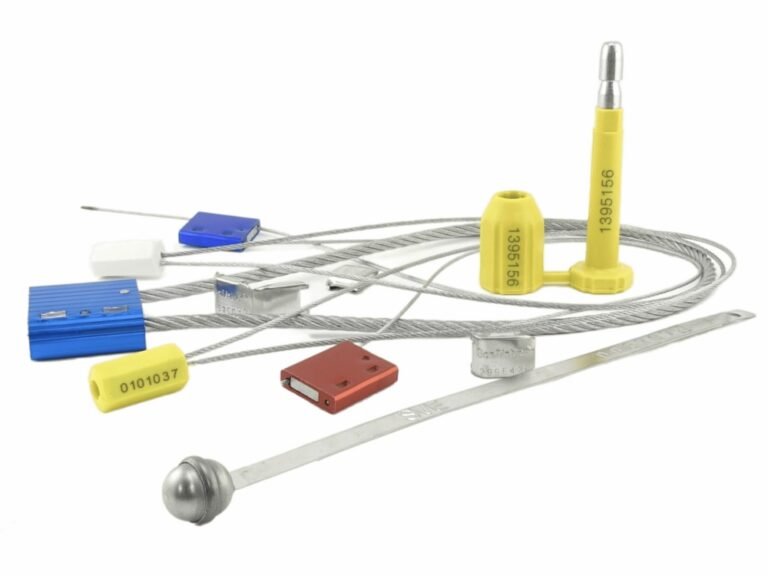
Do you lie awake at night worrying about your cargo crossing the ocean unprotected? Container theft and contamination are billion-dollar crises that can bankrupt your logistics operation and destroy your professional reputation overnight.
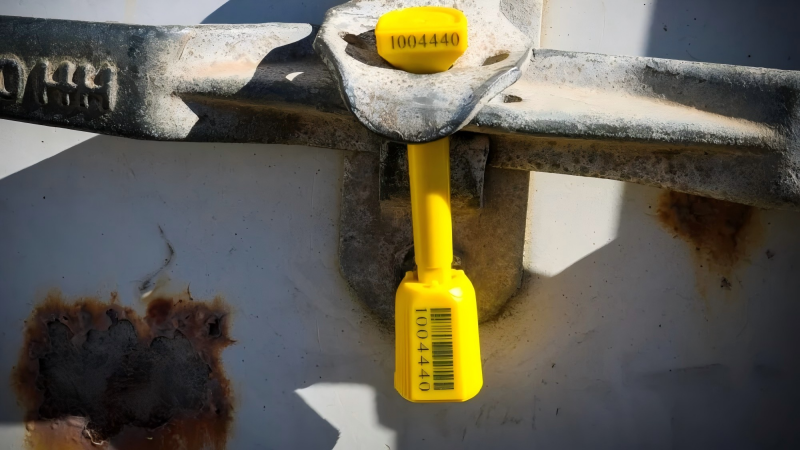
The most effective defense against modern cargo theft is implementing ISO 17712 High-Security Seals. These heavy-duty barriers are not just locks; they are internationally certified devices that provide evidence of tampering, satisfy customs mandates like CTPAT, and are physically impossible to remove without heavy industrial tools.

I have spent over 15 years in the security industry, and I have learned one truth: thieves are lazy. They look for the easiest target. If your container is secured with a cheap plastic strap, it is an invitation for theft. If it is secured with a certified high-security bolt seal, the thief moves on to the next truck. Securing your supply chain is not about luck; it is about choosing the right hardware.
Why Is ISO 17712 The Gold Standard for Container Security?
You might ask, "Why can't I just use a padlock?" The answer lies in international regulations and physical strength testing. A padlock can be picked or cut easily; an ISO 17712 seal is engineered to survive the brutal conditions of global trade.
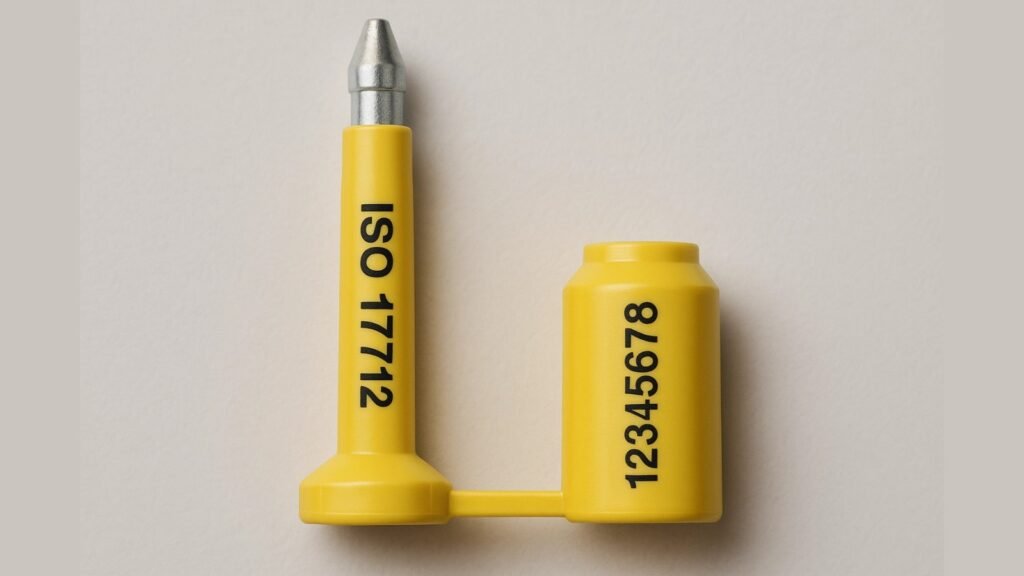
ISO 17712 is the uniform international standard that establishes procedures for the classification and acceptance of mechanical seals. To earn the "High Security" (H) classification, a seal must pass rigorous testing by an independent lab. It must withstand specific levels of tensile strength, shear force, impact, and bending.
The "H" Mark Matters
When you are purchasing seals, do not just look at the price tag. Look for the letter "H" laser-marked on the seal body.
- Physical Strength: An H-class seal requires huge bolt cutters and significant force to remove. It prevents opportunistic theft.
- Customs Compliance: For shipments entering the United States, C-TPAT regulations strictly require the use of ISO 17712 compliant high-security seals.
- Tamper Evidence: These seals are designed so that any attempt to open them leaves visible, irreversible damage. You will know instantly if someone touched your cargo.
The Foundation: Inspecting the Container Before Sealing
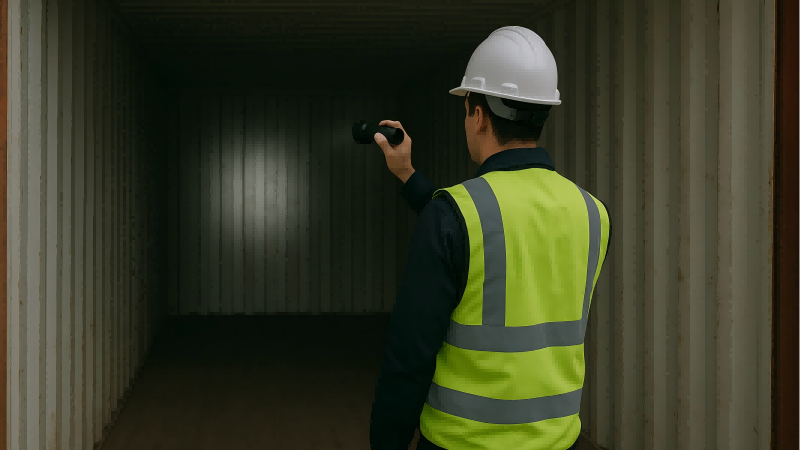
Even the strongest ISO 17712 seal is useless if the container door itself is broken. It is like putting a bank vault door on a cardboard box. Before you apply that expensive seal, you must verify the structural integrity of the container.
I once saw a client lose a claim because thieves didn't cut the seal; they simply unbolted the door hinges. This is why a systematic 7-Point Inspection is critical. You must check the container walls, floor, and especially the locking mechanism.
The Inspection Checklist
Make this part of your warehouse team's daily routine. Do not load cargo until these boxes are checked:
- Front Wall: Is it solid with no holes?
- Left & Right Sides: Look for non-factory welds or patches.
- Floor: Ensure it is flat and check for false compartments.
- Ceiling/Roof: Look for light leaks (pinholes).
- Inside/Outside Doors: Checking the locking mechanism reliability is vital. Ensure the hasps are not cut or corroded.
- Outside/Undercarriage: Check for structural beams.
The Human Element: The "VVTT" Sealing Process
You have the right seal and a good container. Now, how do you apply it? The majority of security failures are actually human errors, such as not locking the seal completely or recording the wrong number.
To eliminate these errors, you must implement the VVTT Protocol (View, Verify, Tug, Twist). This simple mnemonic ensures that the high-security seal does its job. It creates a documented process that holds your team accountable.

How to Execute VVTT
- View: Visually inspect the seal and the locking mechanism. Ensure they are free from damage.
- Verify: Check the seal number against your shipping documents. Do they match perfectly?
- Tug: This is the most important step. After clicking the bolt into the bush, pull down hard on the seal. Make sure it is physically locked.
- Twist: Rotate the bolt. The seal should spin freely but not separate. If it spins, it confirms the locking mechanism is engaged but not jammed.
Advanced Protection: Layering Security for High-Value Goods
For extremely sensitive cargo—like electronics, pharmaceuticals, or branded apparel—an ISO 17712 seal is your first line of defense, but it shouldn't be your only one.
We call this "Layered Security." By adding multiple hurdles, you buy time. Every minute a thief spends trying to break a lock increases their risk of getting caught. Combining a high-security bolt seal with a barrier bar or a GPS tracker creates a formidable defense system.
Building Your Security Layers
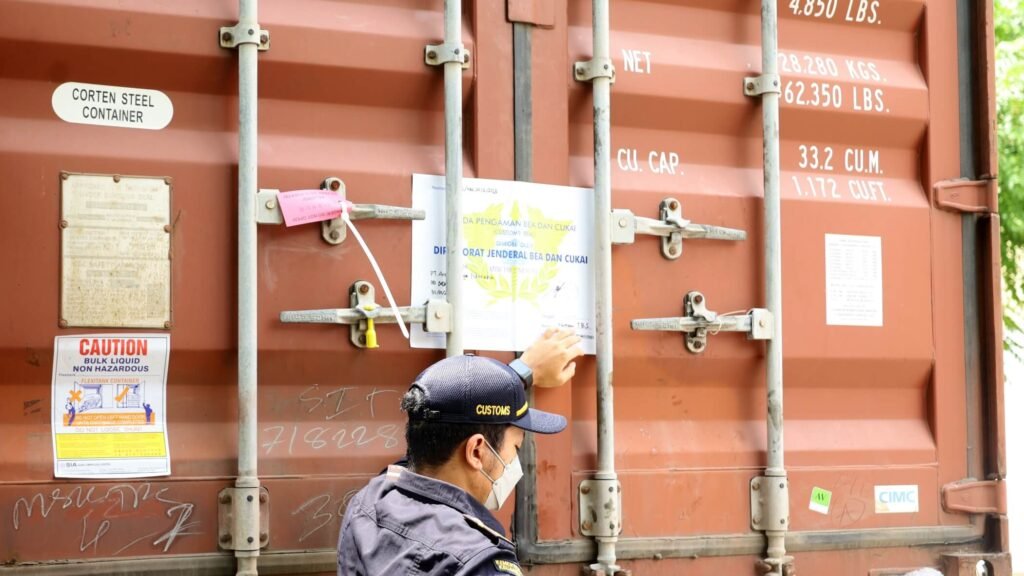
- Layer 1: The Integrity Seal. Use an ISO 17712 bolt seal to lock the right-hand door hasp. This meets legal requirements.
- Layer 2: The Physical Barrier. Install a heavy-duty steel barrier lock across the door rods. This requires power tools to remove.
- Layer 3: The Digital Eye. Place a GPS Tracker inside the container. If the doors open efficiently at an unauthorized location, you get an alert instantly.
Verification at Arrival: Closing the Loop
The security process does not end when the truck leaves your dock. The receiver plays a crucial role. You must inspect the seal before breaking it.
If the truck arrives and the seal is missing, broken, or has a different number than what is on the Bill of Lading, do not open the doors. This is evidence of a crime. By photographing the seal at arrival, you close the Chain of Custody.
Conclusion
The ultimate security solution is not a secret; it is discipline. By choosing certified ISO 17712 High-Security Seals, inspecting your containers, and following a strict application protocol, you make your cargo the hardest target in the port.
Secure Your Global Shipments with ProtegoSeal
Do not gamble with uncertified security products. At ProtegoSeal, we specialize in manufacturing ISO 17712 Certified Bolt Seals that meet the strictest global standards. Our seals are trusted by major logistics providers worldwide to keep their supply chains unbroken. Contact us today for a free sample kit and let us help you build a bulletproof security strategy.