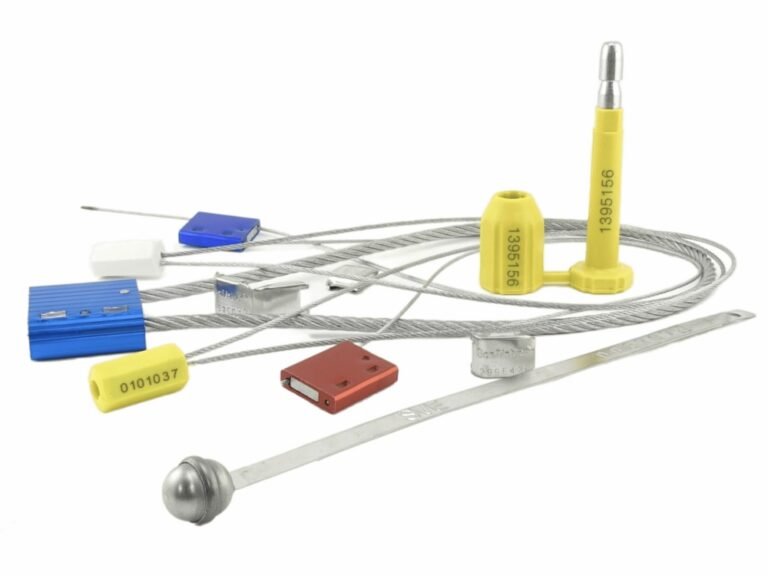
You specified "ISO-certified" high-security seals for your shipment. But when the container arrived, customs flagged it, claiming the seal wasn't compliant. Now your cargo is stuck, facing costly delays and inspections.
This frustrating scenario is far too common. You followed the rules, but you're still facing a a major disruption. This happens when you trust the label on a seal but fail to verify the entire system behind it.
To determine if a security seal meets customs standards (like C-TPAT), you must look beyond the seal itself. It requires verifying its ISO 17712:2013 certification, vetting your supplier's test reports, auditing their manufacturing security processes (Annex A), and confirming the seal's physical design offers clear tamper evidence and traceable serial numbers.
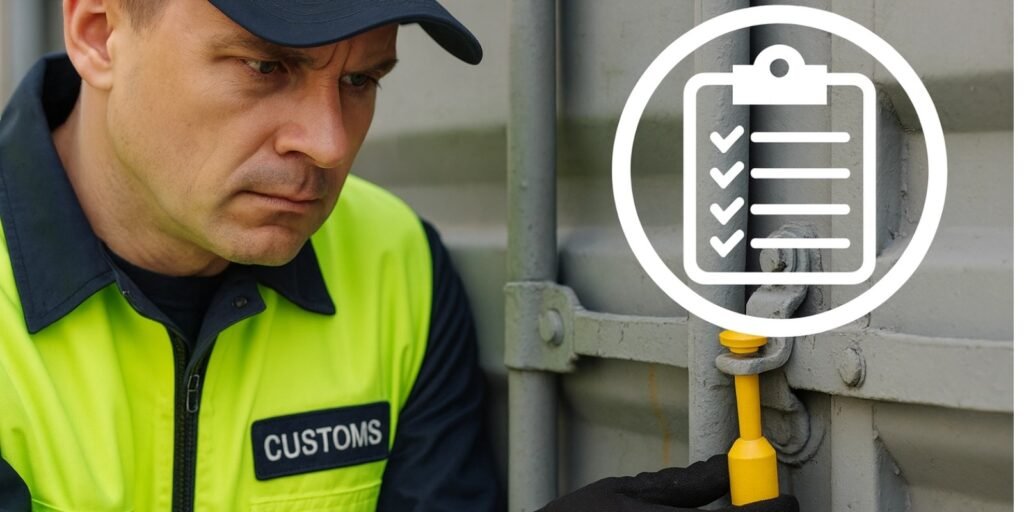
This is a concept I drill into all my clients: to truly know if a seal meets customs standards, you can't just judge the product in your hand. You must treat that seal as the final output of an entire security management system. My years in this industry, from quality control to sales, have taught me that a seal's real strength comes not just from its steel pin, but from the integrity of the environment that produced it. Therefore, your evaluation must extend from the product itself to the entire process and partner behind it.
Aligning Seals with ISO 17712: The Cornerstone of Supply Chain Security?
You see "ISO 17712 compliant" everywhere. What does this standard actually guarantee for customs?
ISO 17712 is the international standard that establishes uniform procedures for classifying and securing mechanical freight container seals. It is the baseline requirement for programs like C-TPAT, making it the essential first checkpoint for customs compliance.
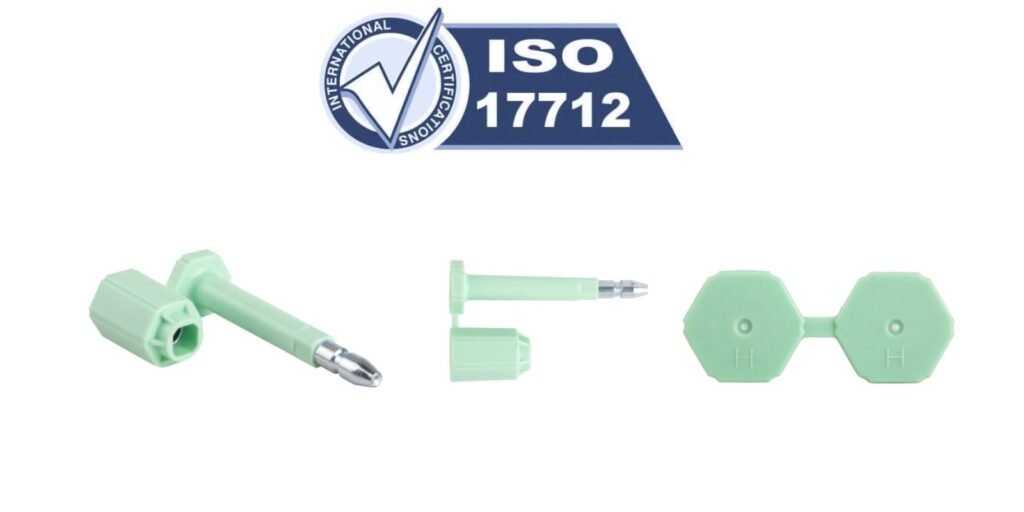
Think of ISO 17712 as the foundational language that seals and customs authorities use to communicate. However, simply seeing the letters "ISO" isn't enough. The devil is in the details, specifically the security classification. A seal that is only "Indicative" will not be accepted for a high-value international shipment that requires a "High-Security" seal.
Understanding the Classifications:
The standard classifies seals into three levels based on their physical strength. For most international customs purposes, only one level truly matters:
| Classification | Abbreviation | Security Level | Common Use Case |
|---|---|---|---|
| High Security | H | Barrier Seal | Required for international container freight. |
| Security | S | Barrier Seal | Domestic shipping, higher value cargo. |
| Indicative | I | Tamper-Evident | Low-risk, short-haul, or empty moves. |
When a customs agent is looking for compliance on an ocean container, they are looking for an "H" class seal. Ensuring your seal holds this specific classification is the absolute first step.
Partner Vetting: How to Verify a Supplier's Test Reports and Credentials?
Your supplier sent you a beautiful PDF certificate for their seals. How do you know it's real?
You must act like an auditor and verify the documents independently. A legitimate certificate is just the start; you need to see the full, unedited laboratory test report and confirm the lab that issued it is accredited.
I learned this lesson the hard way early in my career. We discovered a potential supplier was using a test report that was over 10 years old and for a completely different seal model. It looked official, but it was fraudulent. This is why you must trust, but verify.
Your Vetting Checklist:
- Demand the Full Test Report: Do not accept a one-page "Certificate of Compliance." Ask for the complete, multi-page report from the testing laboratory. It should detail the specific seal model tested, the date of the tests, and the results for tensile, shear, and impact forces.
- Verify the Testing Laboratory: This is the most crucial step. The lab that performed the test must be accredited under ISO/IEC 17025, which certifies its competence to carry out tests and calibrations. Look for the lab's accreditation number on the report and verify its status with the relevant accreditation body. A test from a non-accredited lab is worthless for customs purposes.
Procedural Integrity: Assessing a Manufacturer's Security Practices (Per ISO 17712 Annex A)?
The seal is strong and the certificate is real. But what if the supplier prints duplicate serial numbers?
This is where you must assess the manufacturer's own internal security processes, as outlined in ISO 17712, Annex A. A compliant seal must come from a compliant process.
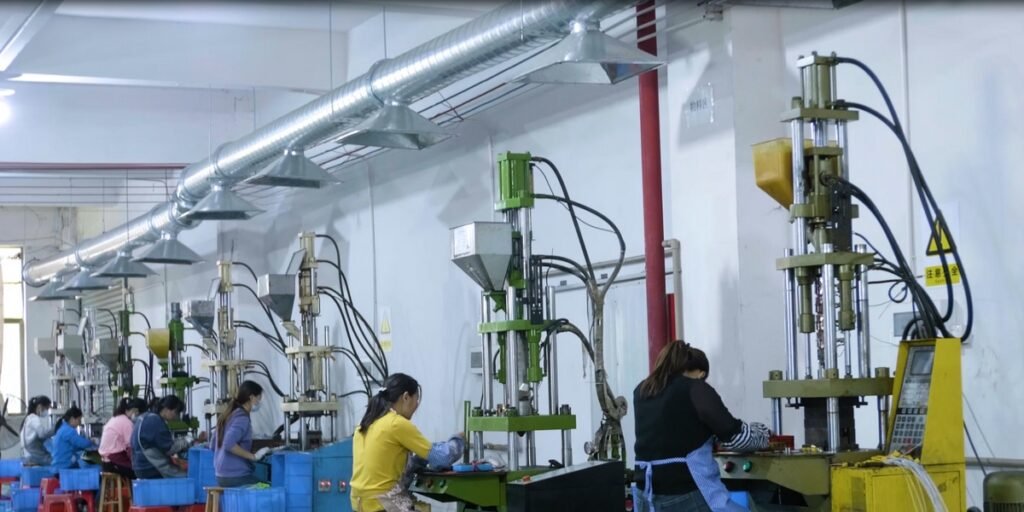
This goes back to my core point: the product is an output of the system. Annex A requires manufacturers to have robust security protocols for their own operations. This is not optional; it's a mandatory part of the standard for a seal to be truly compliant. A weak process for handling something as critical as serial numbers can completely undermine the security of the seal itself. True supply chain security starts at the source.
Key Questions to Ask Your Supplier about Annex A:
- How do you control access to your production and storage areas?
- What is your process for generating, recording, and managing serial numbers?
- How do you prevent and detect duplicate serial numbers?
- What background checks do you perform on employees who handle seals?
- What are your procedures if a batch of seals is lost or stolen?
A trustworthy supplier will have clear, documented answers to these questions.
Ensuring Cargo Integrity: Evaluating a Seal's Tamper-Evidence from its Physical Design?
The seal is certified and the supplier is secure. But can the seal be subtly defeated?
You need to physically examine the seal's design for features that provide clear and irreversible evidence of tampering. A good seal is designed not just to be strong, but to be a good "witness" to any attack.
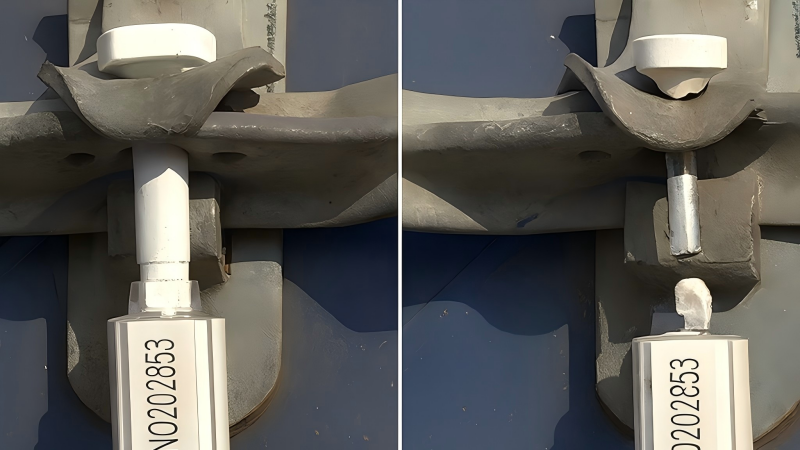
This is where practical experience comes in. Over the years, I’ve learned to spot designs that are easy to bypass. For example, some early bolt seal designs could be spun at high speeds to defeat the locking mechanism without breaking it. Modern, compliant seals have anti-spin features to prevent this. Look for design elements that turn a tampering attempt into obvious, permanent damage. This is a core principle of crime prevention through environmental design (CPTED), applied to a physical product. An effective seal should make tampering attempts difficult, risky, and obvious.
What to Look For:
- Anti-Spin Features: Does the seal have a locking mechanism (e.g., a square pin) that prevents the pin from being spun out?
- Clear Evidence of Fracture: When cut, does the pin show a clean, unambiguous break?
- Material Integrity: Does the plastic coating on the seal show stress marks, discoloration, or whitening if someone tries to pry it open or glue it back together?
Audit Trail Readiness: Ensuring Seal Serial Number Traceability and Documentation?
The seal is strong, from a good supplier, with a good design. How do you prove its journey?
The serial number is the heart of your audit trail. You must ensure your supplier provides unique, non-repeating numbers and that you have a robust internal process for recording and tracking them from application to removal.
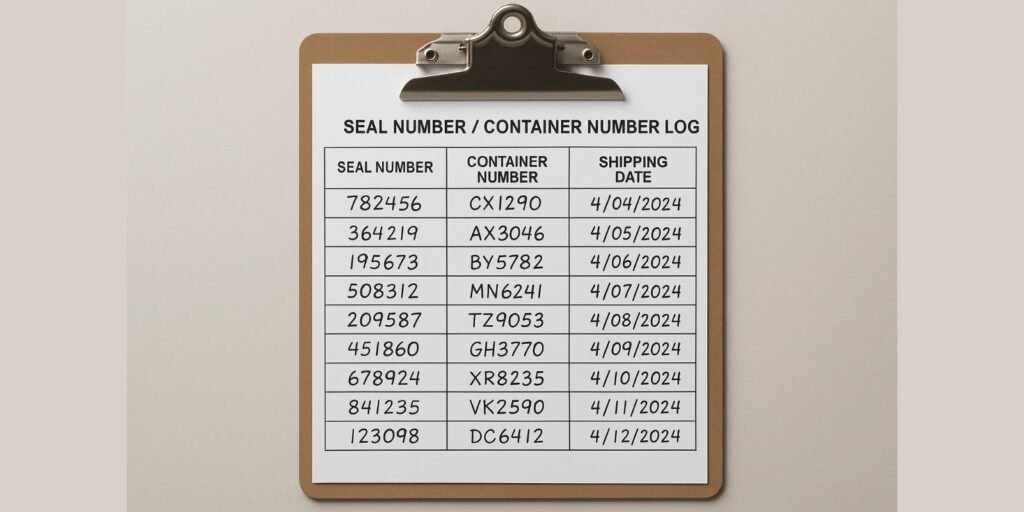
A security seal without a documented serial number is just a dumb piece of metal and plastic. Its entire value as a security device is tied to that unique identifier. In any customs dispute or insurance claim, your ability to provide a complete, unbroken record of that seal's number is your most powerful evidence. I've seen huge insurance claims denied because a company couldn't prove which seal number was on the container when it was stolen.
Best Practices for Serial Number Management:
- Supplier Guarantee: Get a written guarantee from your supplier that they do not duplicate serial numbers within a specific timeframe (e.g., 7 years).
- Record at Application: When the seal is applied, the number must be immediately recorded on the bill of lading and shipping manifest.
- Verify at Arrival: When the container arrives, the first step is to check that the seal number matches the documentation before it is removed. Any discrepancy is a red flag that requires immediate investigation. This creates a closed-loop verification system.
Conclusion
A customs-compliant seal is more than just a strong product with a certificate. It is the end result of a verified partner, a secure manufacturing process, a tamper-evident design, and a traceable audit trail. Verifying all these elements is the only way to truly ensure security.
Ensure Full Customs Compliance with ProtegoSeal
Don't leave your shipments to chance. At ProtegoSeal, we provide fully certified ISO 17712 "H" class seals manufactured under the strict security processes of Annex A. Contact us to partner with a supplier who understands that true security is a system, not just a product.