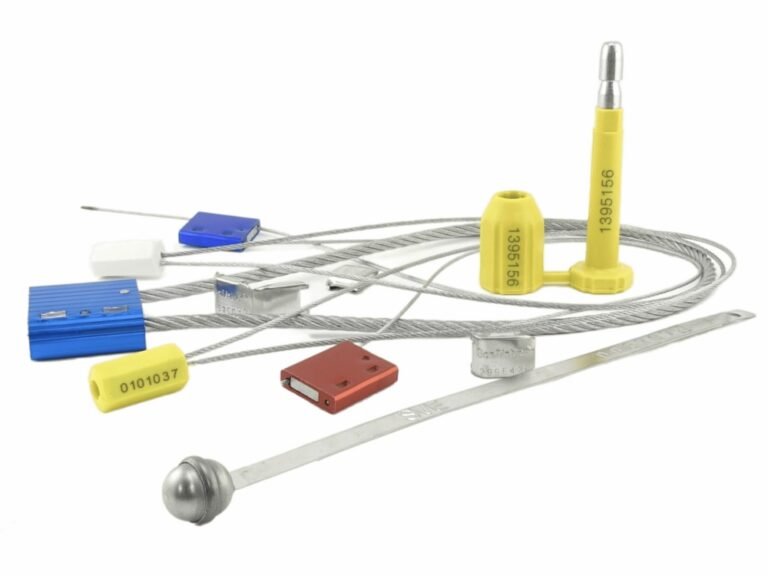
Think a single type of meter seal can protect everything? This common error leaves utilities vulnerable to theft and tampering, as the attack methods for electric, water, and gas meters are fundamentally different.
A meter seal’s true value is not its strength, but how precisely its design neutralizes the specific "theft path" of the meter it protects. It's about providing a targeted solution, not just a generic lock.
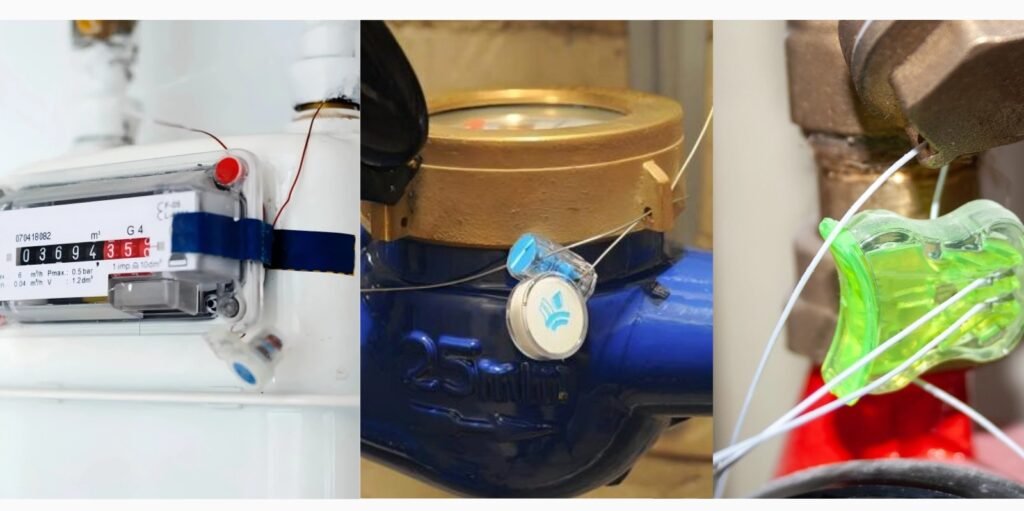
An amateur sells "generic seals." As experts, we provide "targeted solutions." In my experience, the seal's job isn't to protect the meter itself, but to identify and block the specific weaknesses that thieves exploit. The techniques used to tamper with electric, water, and gas meters are completely different. Therefore, the core design logic of the seals that protect them must also be fundamentally distinct. A seal's value isn't its toughness, but how precisely it counters the number one threat for the specific meter it’s on.
Identifying Attack Vectors: Where Are Electric, Water, and Gas Meters Most Vulnerable to Tampering?
You see a row of utility meters. Do you see the same security challenge for each?
An amateur does. A professional sees three entirely different puzzles. The vulnerability isn't the meter itself, but the specific method used to steal the utility—the "theft path" or "attack vector."
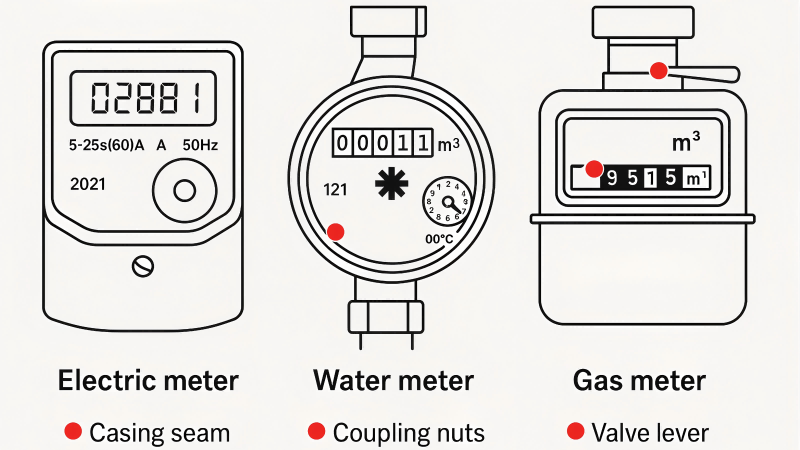
To secure a meter, you must first understand how it is attacked. The primary threat for an electric meter is completely different from that of a water or gas meter. Each requires a different defensive strategy. Thinking that one seal fits all is like thinking a single key can open every door. Before you can choose the right seal, you must identify the specific threat you need to defeat. This is the core principle of effective utility security and a key part of any risk assessment framework.
| Meter Type | Primary Threat (#1 Threat) | Typical Theft Method | The Seal's Primary Job |
|---|---|---|---|
| Electric | Intrusion | Open the meter casing to install illegal bypass wires. | Prevent Casing from Opening. |
| Water | Removal | Remove the entire meter and replace it with a "dummy pipe." | Prevent Meter from Being Uncoupled. |
| Gas | Adjustment | "Micro-operations" like slightly turning a valve to slow the meter. | Prevent Unauthorized Valve Operation. |
Locking Down the Casing: How Do Seals Physically Block Access to a Meter's Internal Components?
An electric meter's casing seems solid. So how does a simple wire seal actually stop someone from opening it?
It's not about strength; it's about forming an interlocking loop that cannot be removed without being destroyed. This directly counters the #1 threat for electric meters: Intrusion.
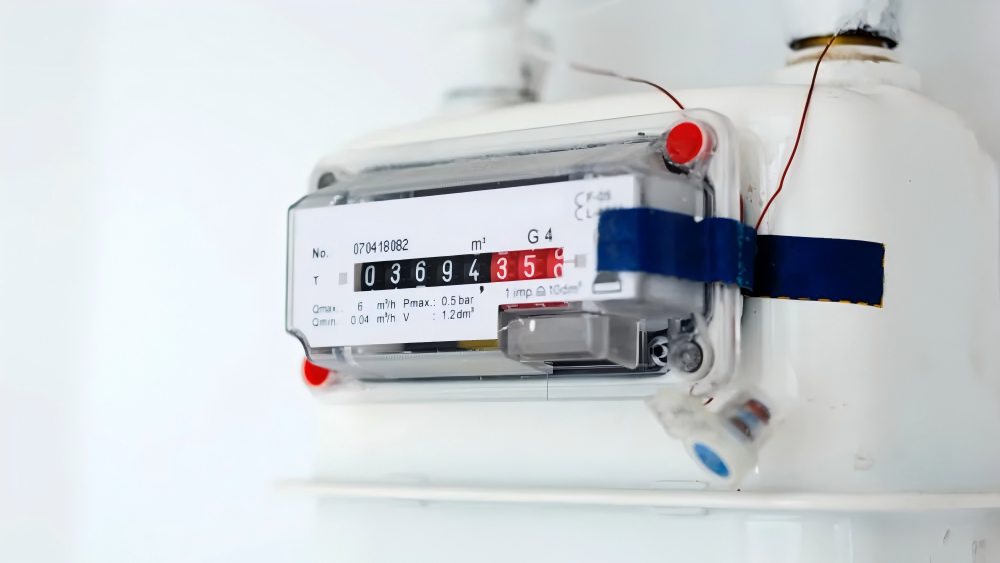
The goal of electricity theft is almost always to get inside the casing and bypass the internal measurement components. Therefore, the seal's sole purpose is to make opening that casing impossible without leaving obvious evidence. A typical Twister Seal uses a thin, multi-strand wire that is threaded through locking points on the meter cover and body. Once the handle is twisted, an internal mechanism locks the wire in place and the handle is snapped off. The only way to open the casing is to cut that wire. This simple, targeted design perfectly neutralizes the specific threat of intrusion, making it the ideal solution for electric meters.
For gas or water meters, how does a seal stop someone from just turning a valve slightly to reduce the flow reading?
It works by physically obstructing the valve's path of travel or locking it to a fixed point. This is designed to defeat the #1 threat for gas meters and secondary threat for water meters: unauthorized Adjustment.
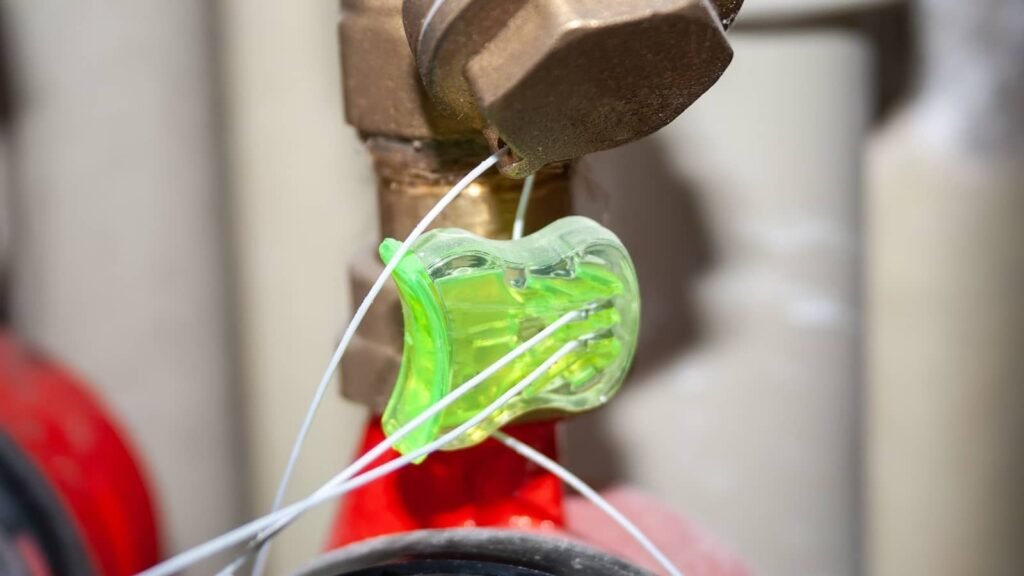
Unlike electricity theft, gas and water theft can involve subtle "micro-operations." A user might try to slightly close a valve to slow the meter's rotor, or fully close it to perform unauthorized maintenance. A seal prevents this by creating a fixed lock.
For example, a Padlock Seal or a small cable seal is looped through the handle of a ball valve and an adjacent pipe or flange. When locked, the valve is physically held in the “fully open” position. It cannot be turned even a few degrees without cutting the seal. This design isn't focused on preventing casing removal; it's surgically targeted at preventing the precise back-and-forth movement of a valve lever, making it the expert choice for valve security.
Providing Tamper Evidence: How Does a Seal Prove a Meter Has Been Opened Without Authorization?
If a thief cuts a seal, tampers with the meter, and just walks away, how does the seal "tell" on them?
The seal acts as a single-use witness. Its destruction is the evidence. Every meter seal is designed with intentional weak points and unique identifiers that make it a one-time-use device.
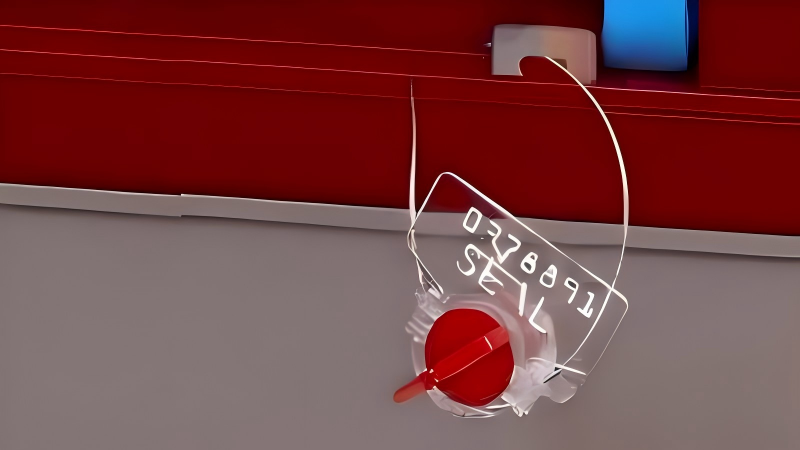
A seal's job isn't just to deter; it's to provide undeniable proof of an attempt, which is crucial for utility revenue protection. This physical proof is a core component of forensic investigation. This is achieved through several mechanisms:
- Destructive Design: Once a seal is locked, it cannot be opened non-destructively. The wire must be cut, the plastic body must be shattered, or the locking mechanism must be forcibly broken.
- Scoring Lines: Many plastic seals have thin "scoring lines" molded into them. These are intentional weak points that ensure the seal breaks in a specific, obvious way when force is applied.
- Material Integrity: Using materials like acrylic that turn cloudy or show stress marks when squeezed with tools provides another layer of visual proof.
The moment a thief tampers with the lock, they have destroyed the evidence of a "secure" meter and created evidence of a "tampered" meter.
Preventing Replacement: How Do Unique Serial Numbers Stop a Cut Seal from Being Covertly Swapped?
What stops a thief from simply cutting a seal, doing their work, and then replacing it with an identical new one?
The unique serial number is the key. This single feature transforms a simple plastic lock into a secure, traceable asset and is the cornerstone of effective asset protection and inventory management.
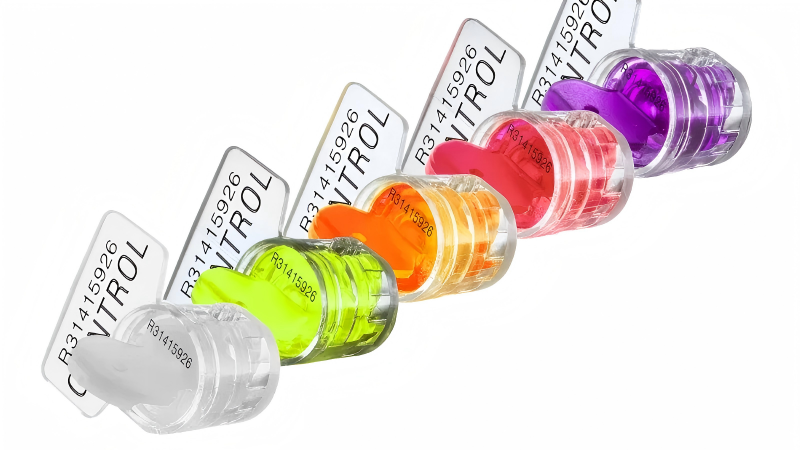
An amateur might overlook this, but a professional knows that without a unique, registered serial number, a meter seal is almost useless. Here's how it prevents a covert swap:
- Unique Identification: Every single seal is laser-engraved with a unique alphanumeric code. No two seals are ever identical.
- Documentation: When a utility technician installs a seal, they record its unique number in a log, often with a corresponding GPS location and timestamp.
- Auditing: During an inspection, the auditor doesn't just check for the presence of a seal; they check that the seal's number matches the one in the official record. This is a fundamental principle of auditing standards.
If a thief cuts seal #ABC12345 and replaces it with a new seal, #XYZ98765, the mismatch during the next audit instantly proves that a breach occurred. This makes it impossible to hide the crime and turns a simple plastic tag into a powerful tool for accountability.
Conclusion
True meter security comes from matching a targeted sealing solution to a specific threat. By understanding the unique theft paths for electric, water, and gas meters, you can deploy the right seal for the job and move from amateur protection to professional security.
Deploy Expert Sealing Solutions for Your Utility
Stop using generic seals that leave you vulnerable. At ProtegoSeal, we specialize in providing targeted security solutions that counter the specific threats your utility meters face. Contact us to create a smarter, more secure metering infrastructure.