You've invested in holographic stickers, believing they are a fortress for your brand. But have you checked what kind of hologram it is? Using outdated technology is like putting a simple padlock on a bank vault.
This false sense of security is what counterfeiters prey on. They can replicate older holograms with alarming accuracy, leaving your brand exposed to reputation damage and revenue loss from fakes flooding the market.
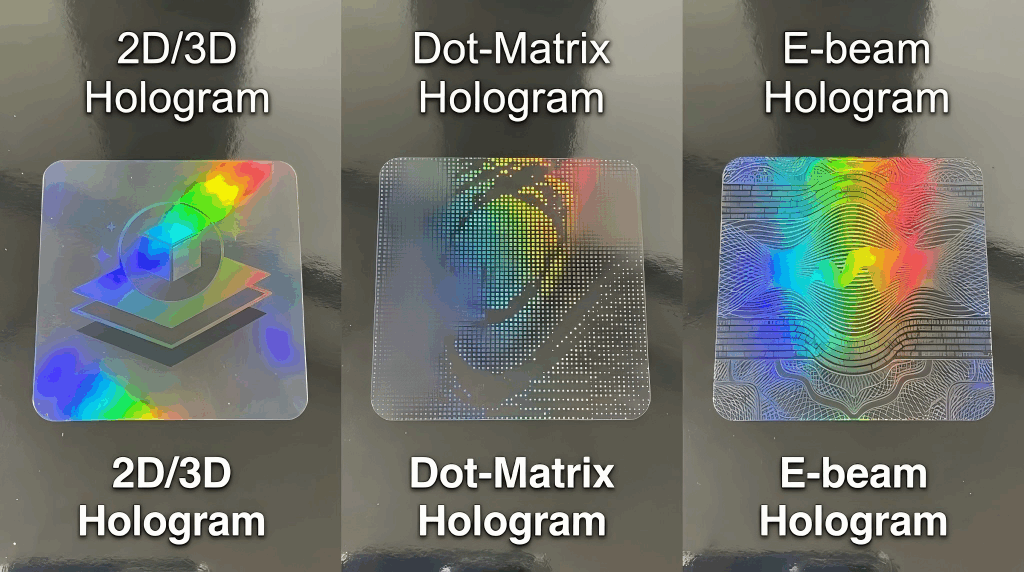
The "best" technology is a strategic choice, not a single answer. While traditional 2D/3D holograms are now basic, Dot-Matrix offers a strong balance of security and cost. For maximum protection, E-beam lithography provides a nearly impenetrable barrier, creating a new gold standard in anti-counterfeiting.
This isn't just a technical discussion; it's about business strategy. I learned this the hard way years ago when a client's "secure" 2D/3D hologram was perfectly copied, leading to a costly product recall. It taught me that real security isn't just about having a hologram; it's about having the right one. Let's break down the options so you can make an informed decision that truly protects your product.
Why Are Traditional 2D/3D Holograms No Longer a Mark of Security?
You see that familiar hologram with images that seem to float at different depths. For years, this was the symbol of an authentic product. But today, relying on it is a significant risk.
In a market where counterfeiters have access to more advanced tools, your 2D/3D sticker looks less like a security feature and more like a decorative target, easily mimicked by fakes.
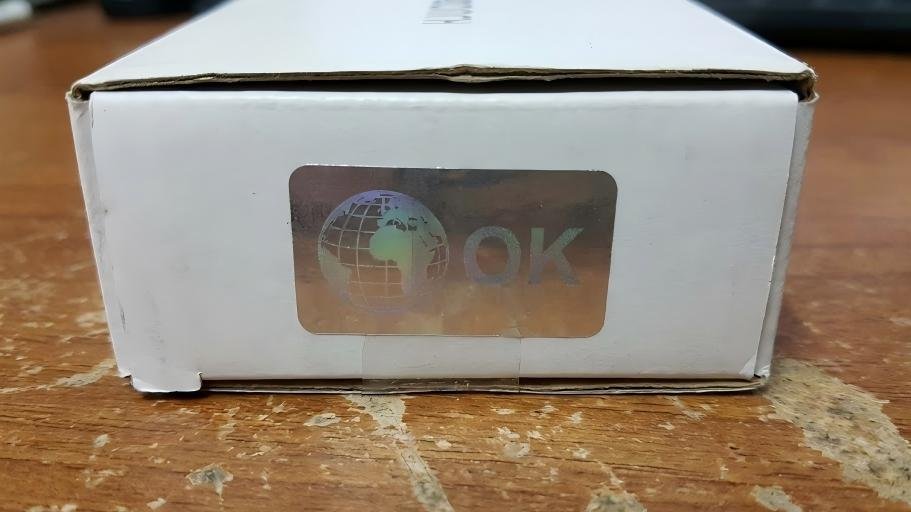
A traditional 2D/3D hologram lacks true microscopic complexity. Its security relies on creating the illusion of depth by layering several two-dimensional images. While revolutionary in the 1980s, the technology to master and replicate these visual effects has become widely accessible and affordable over the last 30 years.
In my quality control days, the difference between a real 2D/3D hologram and a fake was obvious. Today, the fakes are often "good enough" to fool the average consumer, and sometimes even retail staff. These holograms can still serve as a basic deterrent against very low-level counterfeiters, but they no longer provide robust protection for any brand with significant value.
From Security Feature to Decorative Sticker
The primary issue is that their security is purely visual and macroscopic. There are no hidden, hard-to-copy features embedded at a microscopic level. Think of it this way:
- Then: The barrier was the difficulty of creating any kind of hologram.
- Now: The barrier has shifted to the difficulty of creating microscopic and nano-scale features.
Because 2D/3D technology lacks this deeper level of complexity, it has been relegated to a largely decorative role.
Dot-Matrix vs. E-beam Holograms: A Showdown of Cutting-Edge Technologies
You know you need to upgrade from 2D/3D, but the next steps are confusing. You hear terms like Dot-Matrix and E-beam, but what do they actually mean for your product's security?
Choosing the wrong advanced technology can mean overspending on unnecessary features or, conversely, underspending and leaving your brand vulnerable. The distinction between these two is crucial for your budget and security.
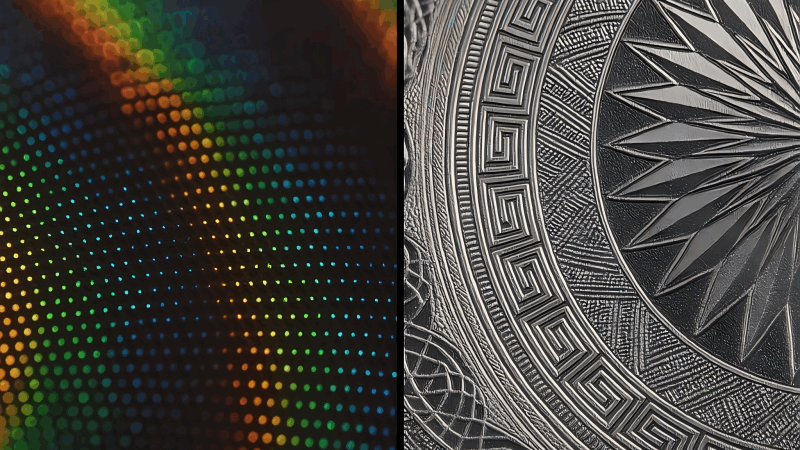
Dot-Matrix creates security through millions of laser-etched dots, forming complex kinetic effects. E-beam (Electron-beam) lithography operates on another level, using an electron beam to etch patterns at the nanoscale—resolutions 1,000 times finer than Dot-Matrix.
Dot-Matrix is the current market workhorse, offering excellent security that stops all but the most determined counterfeiters. E-beam is the strategic fortress, reserved for when the cost of being counterfeited is catastrophically high.
A Head-to-Head Comparison
Understanding the differences helps you align technology with your specific risk level. I often use this simple table to start the conversation with clients.
| Feature | Dot-Matrix Hologram | E-beam Hologram |
|---|---|---|
| Technology | Laser-etched microscopic dots | Electron-beam etched nanoscopic patterns |
| Resolution | High (up to 2,540 DPI) | Ultra-High (up to 254,000 DPI) |
| Key Features | Kinetic movements, microtext, CLR effects | Nano-text, true color images, 3D contours |
| Security Level | Very High | Extremely High (Strategic Grade) |
| Best For | Most commercial products, electronics, pharma | Banknotes, passports, ultra-luxury goods |
Is E-beam Lithography the Ultimate Anti-Counterfeiting Solution?
Hearing about nano-scale patterns and resolutions 1,000 times finer than other technologies, it's easy to assume E-beam is the only "real" choice for serious protection. But is it always the right one?
The seduction of having the "ultimate" technology can lead to massive overinvestment. The cost and complexity of E-beam lithography might be overkill for a product where the counterfeiting threat is less sophisticated.
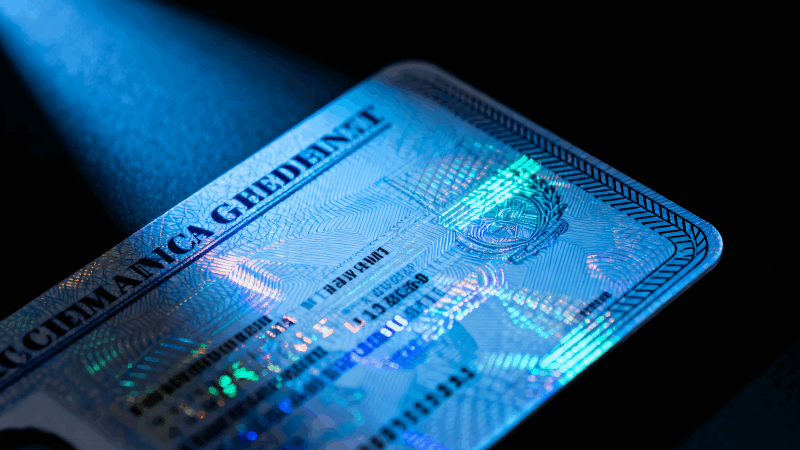
While E-beam technology provides virtually counterfeit-proof security, its high cost isn't always a justifiable business expense. The "best" solution is the one that makes counterfeiting your specific product economically unviable. It’s a strategic calculation, not a race to the most complex tech.
I advise clients to think about it this way: the goal is to create a barrier that is just high enough so that the counterfeiter decides it's not worth their time and money to even try. For many products, a well-designed Dot-Matrix hologram achieves this perfectly.
The True Meaning of "Ultimate" Protection
The ultimate solution isn't a single technology but a strategic choice. E-beam is the ultimate choice for products where the risk is immense, such as:
- Government-issued documents like passports and ID cards.
- High-denomination banknotes.
- Critical pharmaceutical products where a fake could be lethal.
- Luxury watches or designer goods where brand equity is paramount.
For most other products, the "ultimate" solution is one that delivers maximum security for your budget.
How Do Combined-Tech Holograms Create Multi-Level Security Barriers?
You're facing a multi-faceted threat. Some counterfeiters are low-level opportunists, while others might be more sophisticated. How do you build a defense that can stop them all?
Relying on a single security feature, even an advanced one, creates a single point of failure. If a counterfeiter manages to crack that one feature, your entire defense system collapses.
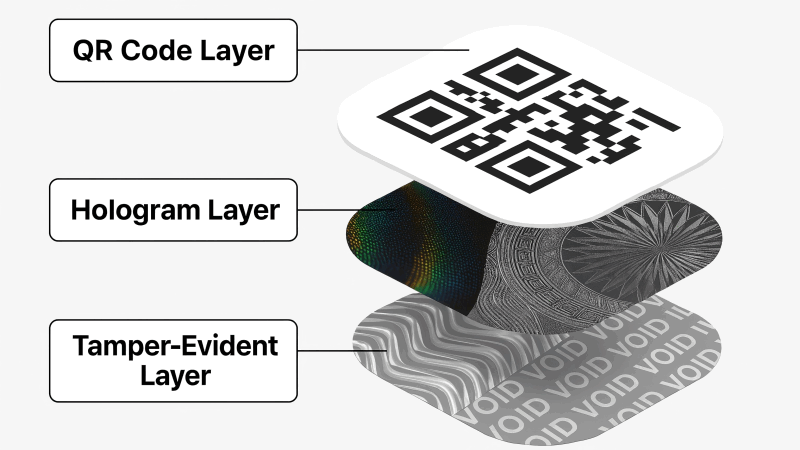
You create a sticker that is more than the sum of its parts. By combining different holographic and non-holographic technologies, you build multiple layers of security. This forces the counterfeiter to master several different, complex techniques, exponentially increasing their costs and difficulty.
This is my favorite part of security design—creating a custom cocktail of technologies. We’re not just choosing one tech; we’re building a system. This approach is based on the principle of layered security, which is fundamental to protecting any high-value asset.
Building an Impenetrable Wall, Brick by Brick
A modern security hologram is rarely just one thing. It's an integrated security device.
- Overt Layer (Level 1): A vibrant Dot-Matrix or 2D/3D effect that allows any consumer to instantly verify authenticity with a simple tilt.
- Covert Layer (Level 2): Hidden features like laser-readable text (CLR) or microtext that require a tool (like a magnifying glass or laser pointer) for verification by distributors or brand inspectors.
- Forensic Layer (Level 3): Nano-scale features from E-beam or proprietary material markers embedded in the sticker itself, which can only be verified in a lab and provide irrefutable proof in a court of law.
- Digital Layer (Level 4): A secure, serialized QR code that links the physical product to a digital database for track-and-trace and real-time verification.
This layered approach means that even if a counterfeiter manages to copy the visible layer, they will be defeated by the hidden ones.
Matching the Right Hologram Security Level to Your Product's Needs
Now you know the technologies available. But the most important question remains: Which one is the right fit for your product, your market, and your budget?
Choosing a security level that is too low leaves you exposed. Choosing one that is too high wastes money that could be better spent on marketing or R&D. This is a critical business decision.
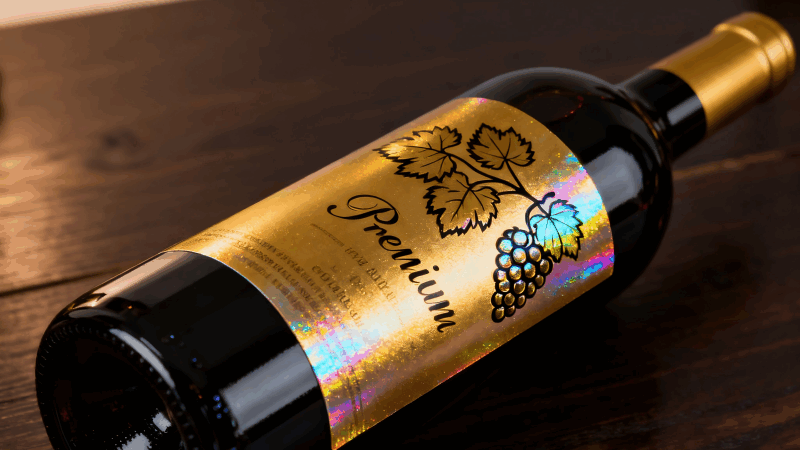
The key is to balance the cost of the security feature against the potential cost of being counterfeited. A simple risk assessment is the first step. You must analyze your product's value, market, and specific counterfeiting threats to choose a security level that makes faking your product unprofitable.
Based on my experience, I categorize the needs into three main tiers. This isn't a rigid rule, but it’s a framework that has helped hundreds of my clients find their sweet spot. It all comes down to raising the barrier to entry for fakers.
A Practical Framework for Your Decision
| Security Tier | Technology Mix | Target Products | Counterfeiter's Barrier |
|---|---|---|---|
| Commercial Grade | 2D/3D Base + Tamper-Evident Layer | General consumer goods, event tickets, apparel | Low: Deters casual opportunists. |
| High Security | Dot-Matrix + Microtext + Serialized QR Code | Electronics, wine & spirits, licensed merchandise | High: Requires significant investment and expertise. |
| Strategic Grade | E-beam + Dot-Matrix + Multiple Covert Features | Pharmaceuticals, government docs, luxury goods | Extreme: Requires state-level resources. |
The goal isn't to pick the most complex technology; it’s to choose the combination that most effectively frustrates and defeats the specific counterfeiters targeting your product.
Conclusion
The best anti-counterfeiting hologram isn't the most complex one—it's the smartest one for your specific needs. It’s about building a cost and technology barrier that makes counterfeiters look at your product and decide, "It's not worth it."
Ready to Build Your Anti-Counterfeiting Wall?
Effective security is a strategy, not just a sticker. At ProtegoSeal, we help you analyze your risks and design the precise holographic technology combination to make counterfeiting your product unprofitable. Don't settle for a false sense of security. Contact us to engineer a solution that provides true peace of mind.

