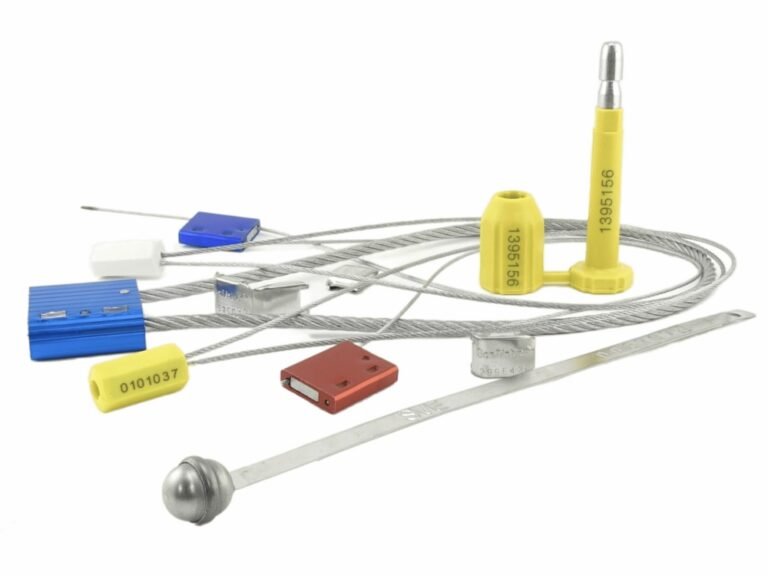
Your container has finally arrived, but it is locked with an official government seal. You are on a tight schedule, and you think, "Can I just cut this myself to speed things up?"
The short answer is NO. It is illegal for any unauthorized person—including the cargo owner, truck driver, or warehouse manager—to remove a customs seal. A customs seal is not merely a locking device; it is a legal instrument representing the sovereignty of the importing nation's border control agency.
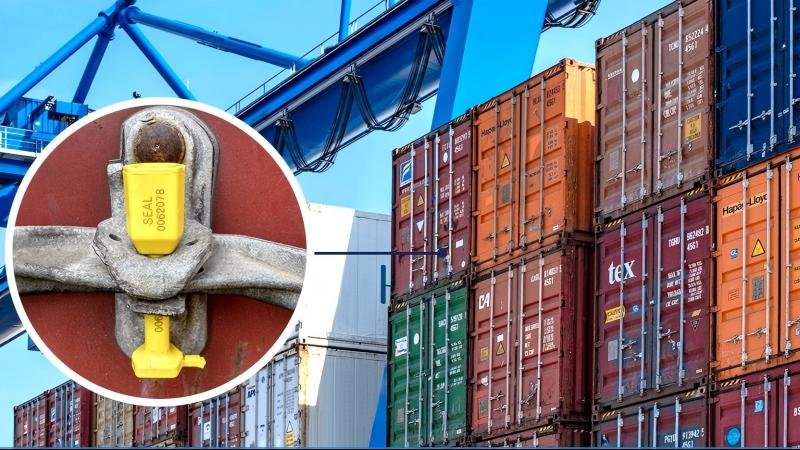
Breaking it without authorization is equivalent to tampering with evidence or challenging a federal order. In this guide, I will explain the strict legal frameworks, the severe penalties for violations, and the correct protocol for handling sealed containers so you can avoid a federal crime.
Why is Tampering with a Customs Seal Illegal?
Many logistics managers mistakenly view a seal as a physical obstacle to be removed for efficiency. But what does the law actually say about that piece of plastic?
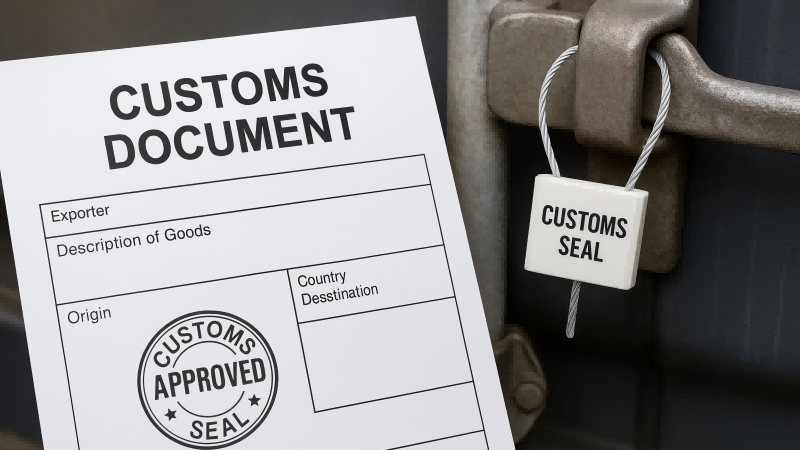
In the eyes of the law (such as US CBP or EU Customs), the seal is a Legal Extension of the Border. Until a container is officially cleared, it remains under government jurisdiction, even if it is physically sitting at your warehouse dock.
The Three Pillars of Seal Legality
The seal serves three critical legal functions that you must understand:
- Jurisdictional Control: It signifies that the cargo has not yet officially "entered" the commerce of the country.
- Chain of Custody: It acts as the definitive proof that the cargo remains identical to what was declared on the manifest.
- National Security: It validates that no contraband, weapons, or unauthorized persons have been introduced into the shipment post-inspection.
Visual Indicator: The presence of a specific "High Security" (ISO 17712) seal often indicates that the cargo is part of a secure supply chain program like C-TPAT or AEO. Breaking it voids this security status.
Who Is Legally Authorized to Remove a Customs Seal?
If you own the goods inside the box, does that give you the right to break the lock?
Confusion often arises regarding the "Consignee" (the owner of the goods), but owning the goods does not grant the right to break the government's seal. The authority to remove a customs seal is restricted exclusively to government officers or their explicitly authorized delegates (such as bonded warehouse officers under supervision).
Authorization Matrix
Here is the strict hierarchy of authority I advise my clients to follow:
| Identity | Authorized? | Reasoning |
|---|---|---|
| Customs Officer | YES | The only agent with federal authority to break the seal for inspection or release. |
| Importer (Owner) | NO | You own the product, but you do not own the "clearance status" until released. |
| Truck Driver | NO | The carrier's responsibility is solely safe transport; breaking a seal violates the carriage contract. |
| Broker | NO | Brokers manage data and finance, not physical security. |
| Warehouse Staff | NO | Breaking a seal before clearance turns a warehouse into a crime scene. |
You might think cutting a seal is a minor procedural error, but governments view it as a direct challenge to their authority.
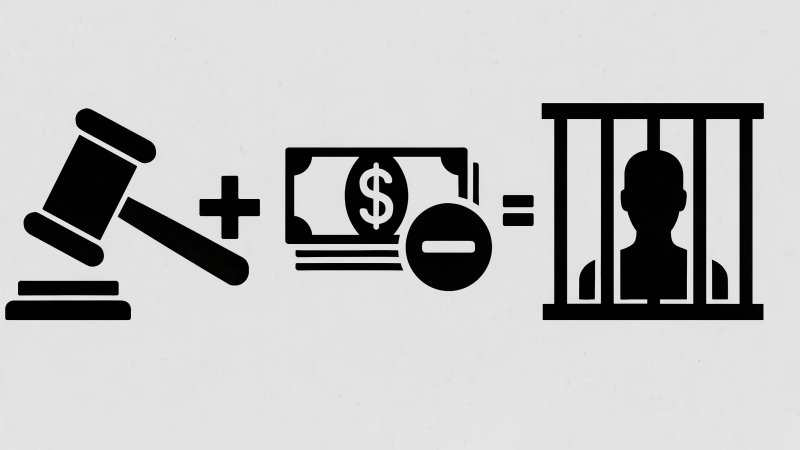
According to regulations like 19 U.S. Code § 1595a in the United States, penalties involve more than just a warning; they are immediate and devastating.
The Cost of Non-Compliance
If a driver or warehouse worker cuts a customs seal "just to check the contents," you face:
- Civil Monetary Penalties: Fines can range from $10,000 per violation up to the full domestic value of the merchandise.
- Seizure of Cargo: The authorities have the legal right to confiscate the entire shipment as it is now considered "tainted" and its integrity cannot be proven.
- Criminal Prosecution: Intentional tampering to conceal contrabands or bypass inspection can lead to felony charges and imprisonment.
- Supply Chain Blacklisting: Perhaps the costliest penalty is the loss of trust. Your company may be flagged for 100% inspection rates on all future shipments, destroying your "Just-in-Time" logistics efficiency.
Standard Operating Procedure: How is a Seal Officially Removed?
To avoid these penalties, what is the exact step-by-step process your team needs to follow?
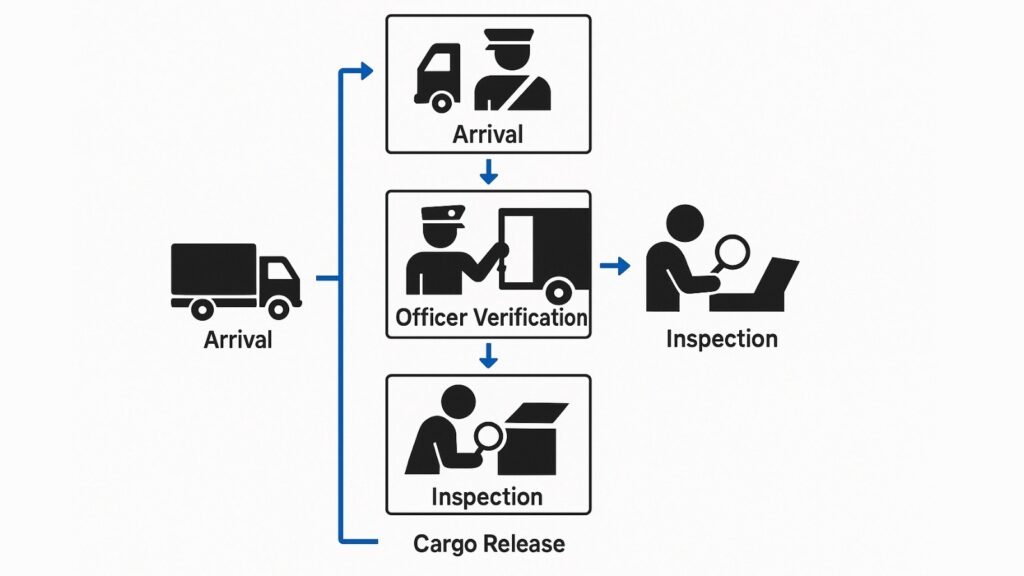
To avoid legal liability, your supply chain must follow the correct Customs Clearance Protocol. This usually occurs at a centralized examination station (CES) or a bonded warehouse.
The Methodical Process
- Verification: The Customs Officer compares the seal's unique alpha-numeric serial number against the Bill of Lading and Manifest.
- Physical Inspection: The officer checks the seal for signs of spinning, glue, or physical manipulation (cloning).
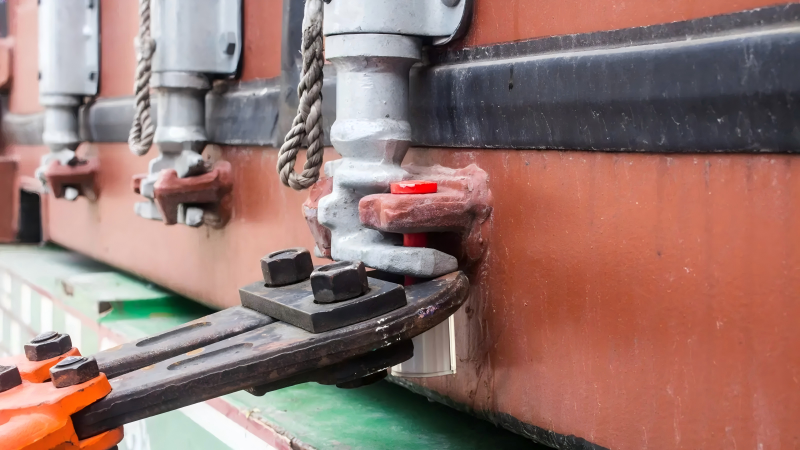
- Removal: The officer cuts the seal. Crucially, the officer retains the broken seal. It is kept as evidence until the cargo is released.
- Resealing (If applicable): If the cargo is inspected but not yet released (e.g., moving to another bonded location), the officer will apply a new government seal and update the manifest.
Emergency Protocol: What If Your Container Arrives with a Broken Seal?
If a container arrives at your facility and the customs seal is missing, broken, or does not match the paperwork, what should you do?
You are in a high-risk situation and must prove you did not break it. Follow this strict "Stop & Document" protocol:

Immediate Actions Required
- Halt Operations: Do NOT open the container doors. Do not unload any cargo.
- Photograph Everything: Take high-resolution photos of the broken seal, the locking mechanism, and the container number.
- Notify the Carrier: Inform the trucking company immediately to establish a timeline of when custody changed.
- Contact Customs: Have your customs broker formally notify the port authorities.
- Wait for Instructions: Do not touch the cargo until a customs officer gives written authorization.
Conclusion
A customs seal is a "Red Light" from the government. Only a government agent can turn it Green. Unauthorized removal is not a logistical shortcut; it is a federal crime that risks your entire business. Always wait for the official release.
Ensure Compliance with ProtegoSeal
Security begins with the right hardware. At ProtegoSeal, we manufacture ISO 17712 High Security Bolt Seals that meet the strictest customs requirements globally. We help you maintain a compliant, tamper-evident supply chain from factory to destination. Contact us for authorized sealing solutions.