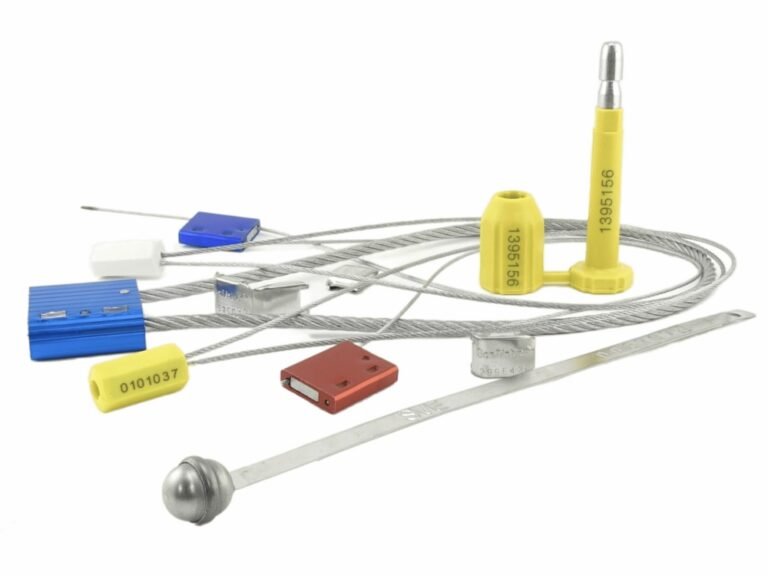
In the high-stakes world of global logistics, a generic container seal is a vulnerability. If anyone can buy the same seal you use, your cargo is at risk of a "clone and replace" attack.
Custom container seals provide the essential link of "Non-repudiation" in the supply chain. By integrating your logo and a unique serial number that matches the Bill of Lading (BOL), you create a verifiable data chain. This ensures that if cargo arrives short, liability is undeniable and clear.
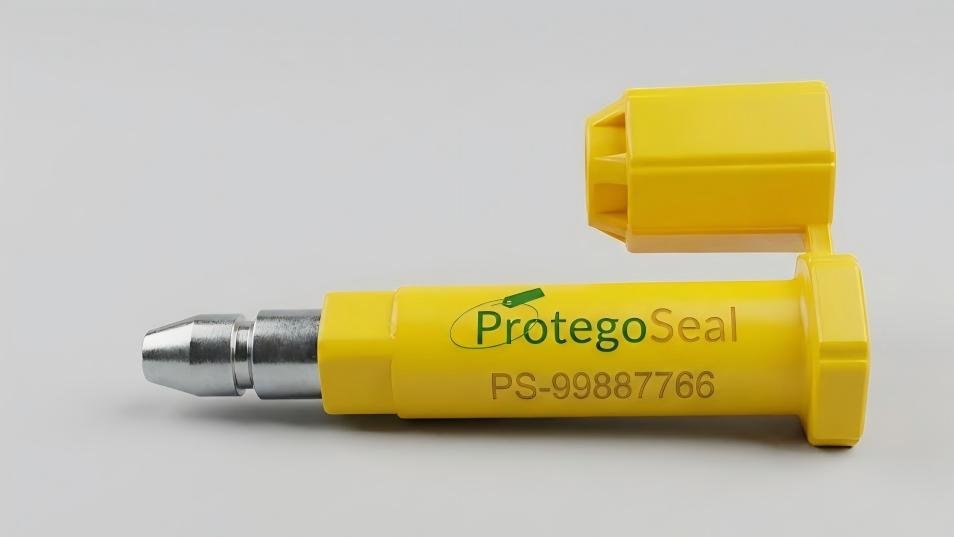
I often see shippers focusing solely on the physical strength of a seal, forgetting its data function. A seal is both a lock and a document. If the serial number on the seal doesn't perfectly match the shipping documents, or if the logo looks slightly off, the cargo stops at the port of entry. Customization is not just about branding; it is about ensuring that your container flows through automated port gates and Customs clearance without delay. It is the digital fingerprint of your physical shipment.
Why Choose Custom Container Seals Over Generic Options?
Why risk your shipment with a seal that a thief can buy on the internet for $1.00? Generic seals have no identity, and therefore, virtually no security against sophisticated theft.
Customizing your seals prevents the most common method of cargo theft: the replacement attack. A thief cannot easily replicate a seal that bears your specific mold markings and laser-engraved data, forcing them to move to an easier, generic target.
The "Clone" Threat
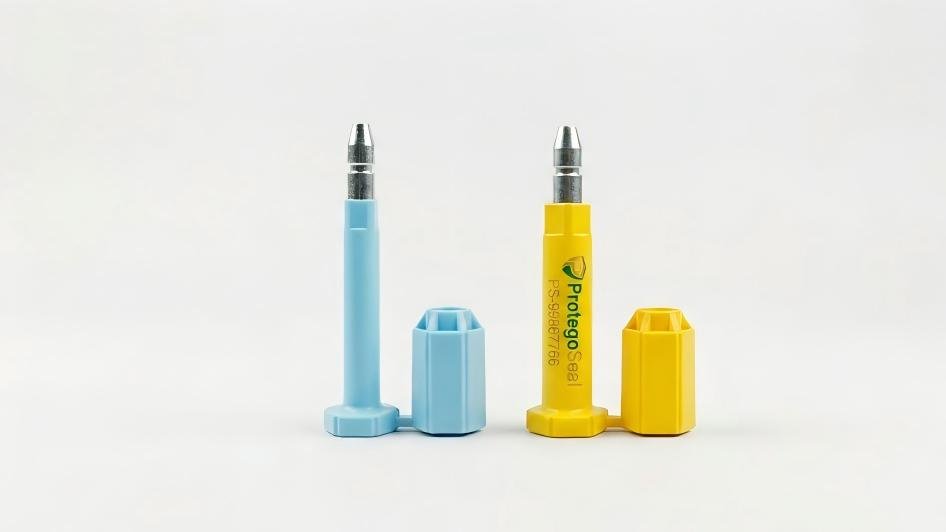
I have investigated cases where containers were opened, emptied, and resealed with a generic seal that looked "close enough" to the original. Because the original seal was generic, the receiving warehouse didn't notice the difference until they opened the doors. By using a custom seal, you force the thief to manufacture a fake version of your specific brand. This requires time, money, and access to laser marking equipment. Most opportunistic criminals will not go to this trouble. They will simply find a container with a standard, off-the-shelf seal.
The Dual Value of Adding Company Logos: Security and Branding
Is your seal advertising your competence, or just locking the door? A logo does both. It acts as a badge of ownership and a complex visual barrier to counterfeiting.
Adding your company logo enhances security by acting as a proprietary watermark that is difficult to forge, while simultaneously reinforcing your brand presence at every checkpoint from factory to destination.
Branding as Authentication
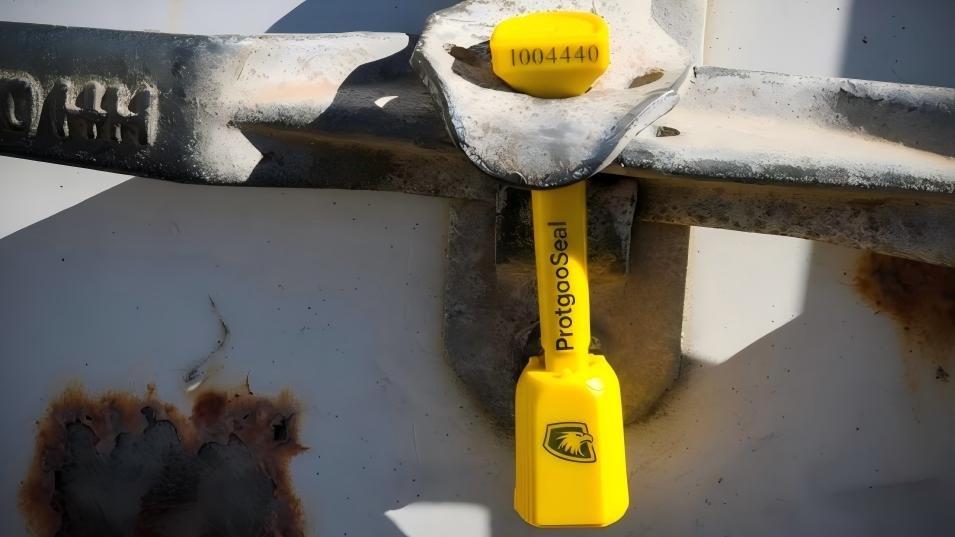
We tend to think of logos as marketing, but in security, a logo is a complex geometric shape. A standard serial number is just text; a logo is an image. Reproducing a specific company logo with the correct aspect ratio and shading using detailed laser ablation is technically demanding. If a counterfeiter tries to mimic it, the edges often look fuzzy or pixelated. This visual discrepancy is an immediate red flag for port inspectors and receiving clerks. It turns your brand into a verification tool.
How Do Unique Serial Numbers Streamline Supply Chain Tracking?
How do you find one specific container in a yard of ten thousand? You rely on the unique data string on the seal.
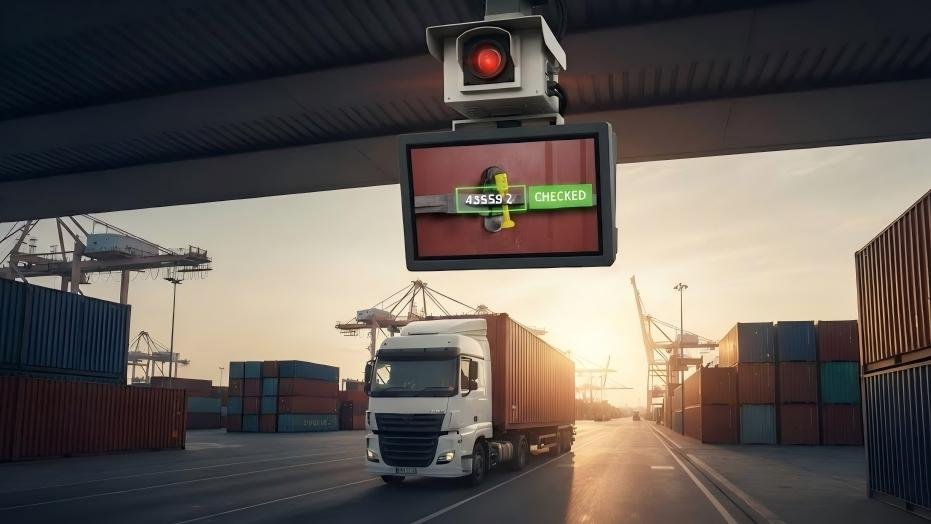
Unique serial numbers are the connective tissue between the physical cargo and the digital Bill of Lading. They enable OCR (Optical Character Recognition) systems at modern automated port gates to scan and verify shipments instantly without human intervention.
Feeding the Digital Twin
Modern ports like Rotterdam and Shanghai use automated gates. Cameras capture the container number and the seal number. If your seal number is hard to read, or if it duplicates another number in the system, the truck is sent to the "trouble lane" for manual inspection. This costs time and money. By ensuring high-contrast, unique serialization, you ensure your cargo gets the "green light." This data matching is the core of non-repudiation. If the number matches the manifest exactly, the carrier cannot deny they were in possession of the goods.
Laser Marking vs. Hot Stamping: Which Technology Is Best for You?
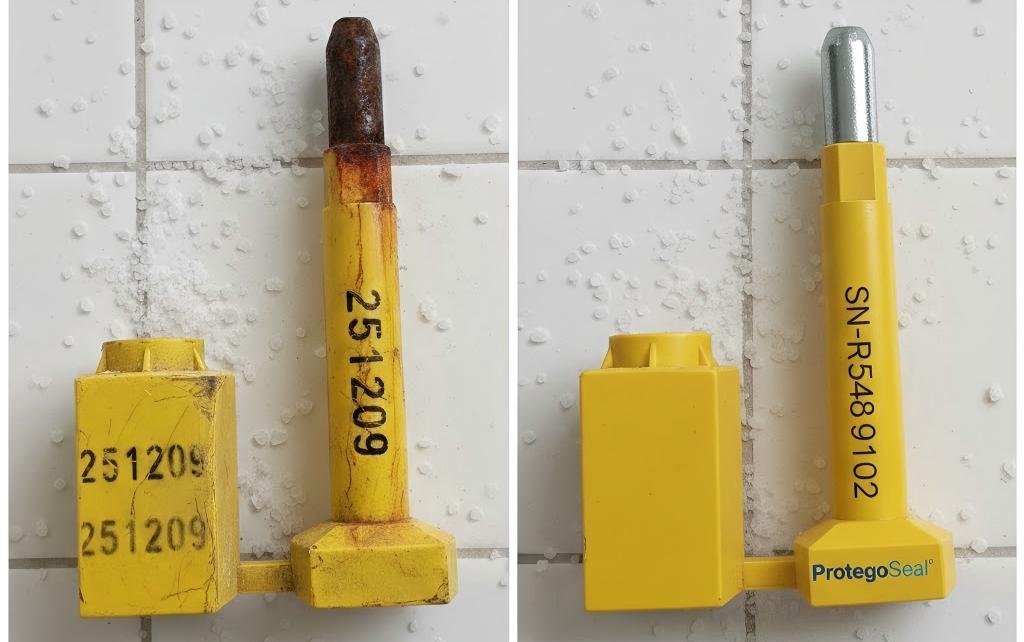
Will your seal's number still be readable after 45 days on a salt-sprayed cargo ship? The printing technology you choose determines the longevity of your data.
Laser marking is permanent and invulnerable to harsh weather, carving the data into the plastic. Hot stamping uses foil which offers high contrast but can be scratched off or faded by UV exposure and saltwater.
The Durability Mandate
Paper labels peel; ink fades. For ocean freight, I almost exclusively recommend laser marking. It burns the carbon within the ABS plastic of the bolt seal, creating a dark grey mark that is part of the material. It cannot be scraped off without destroying the seal. Hot stamping looks prettier (you can use gold or white foil), but in a rugged environment, "pretty" often fails. If the number scratches off, the receiver cannot verify the load, and you have a liability headache. Stick to laser for maritime logistics.
Preventing the "Replacement" Tactic with Personalized Security Features
The thief's goal is to make the theft invisible. Your goal is to make the replacement impossible. How do we close the loop?
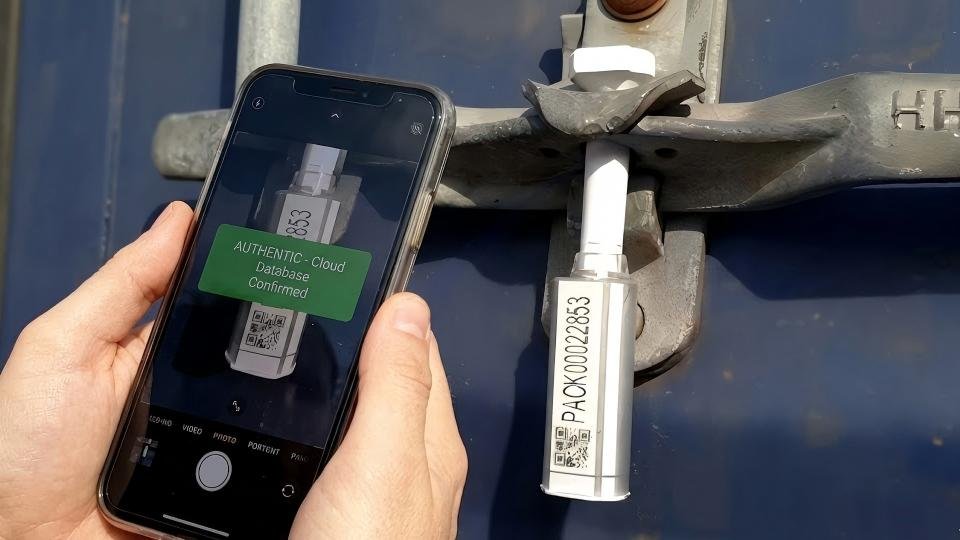
Personalized features like barcodes, QR codes, and specific alphanumerical prefixes raise the barrier to entry for criminals, ensuring that any "replacement seal" stands out immediately as a fake.
The Data Lock
To defeat the "replacement" tactic, use unpredictable data. Don't just number your seals 0001, 0002. Use a random prefix or include a barcode that links to a cloud database. When the receiver scans the QC code, it should say "Valid - Shipped Nov 12." A fake seal with a copied number won't have the correct backend data linkage. This makes the "clone" useless because it fails the digital verification check. This is modern defense: physical hardware backed by digital logic.
Conclusion
Custom container seals are the cornerstone of supply chain accountability. By linking your unique logo and serial data to the shipping documents, you prevent clone attacks and ensure smooth automated processing at global ports.
Secure Your Logistics with ProtegoSeal
Don't let generic seals be the weak link in your supply chain. At ProtegoSeal, we specialize in high-definition laser marking and custom serialization for ISO 17712 certified bolt seals. We ensure your data is as durable as the steel we use. Contact us today to design a custom seal program that matches your exact security protocols.