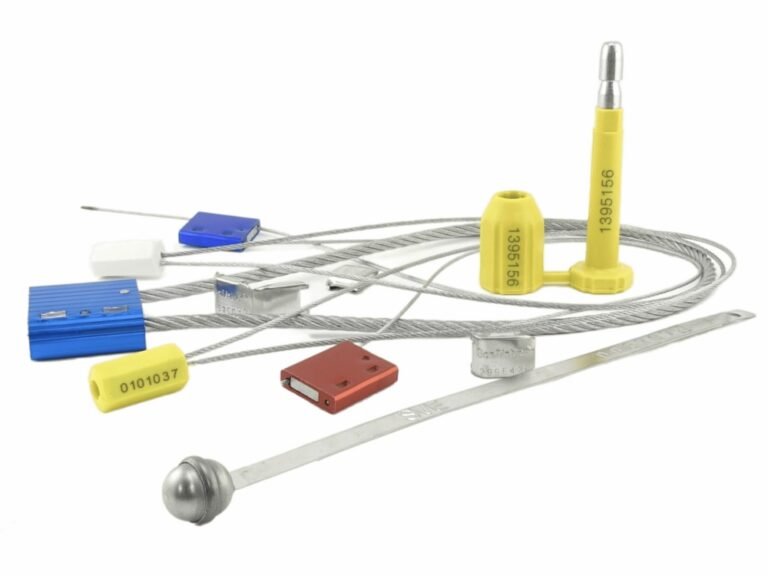
Think your hologram sticker is enough? In today's market, even complex holograms can be mimicked. Your brand is vulnerable if your security isn't interactive and verifiable in real-time.
Combining QR codes with hologram stickers creates a dual-layer security system. The hologram ensures physical authenticity and prevents tampering, while the unique QR code connects to a secure database for instant digital verification, creating a nearly unbreakable link between the product and its data.
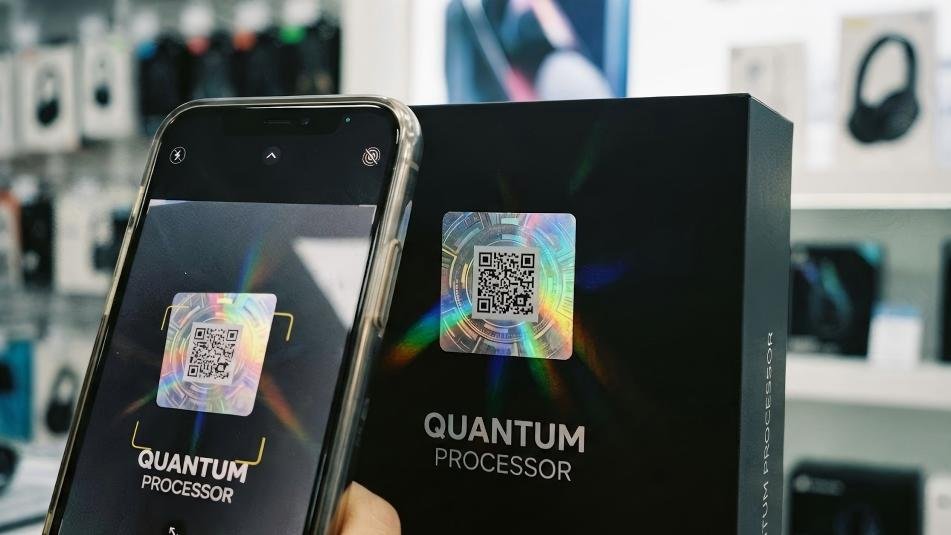
The leap in security from this combination is not from a simple merger of two technologies. It stems from the creation of a "physical-digital" strong authentication system. A client once came to me with a problem: counterfeiters were copying their QR codes onto cheap, non-holographic labels. Consumers would scan the code, and it would seem legitimate, but the product was fake. The system had a digital key, but no secure lock. This is where my core conviction comes from: the hologram must act as the "physical anchor." It guarantees the sticker holding the data is real and untampered. The unique, encrypted QR code is the "digital key" to a secure database. The true security core lies in this "one item, one code" relationship and its backend verification system.
The Evolution of the Hologram Sticker: Beyond Visual Deterrence
For decades, holograms have been a hallmark of authenticity. But counterfeiters have evolved. A passive visual feature is no longer a strong enough defense against today's sophisticated fakes.
The hologram has evolved from a static, visual deterrent into a dynamic, interactive security component. By integrating digital technology like QR codes, it transforms from a passive feature to an active part of your security and supply chain infrastructure.
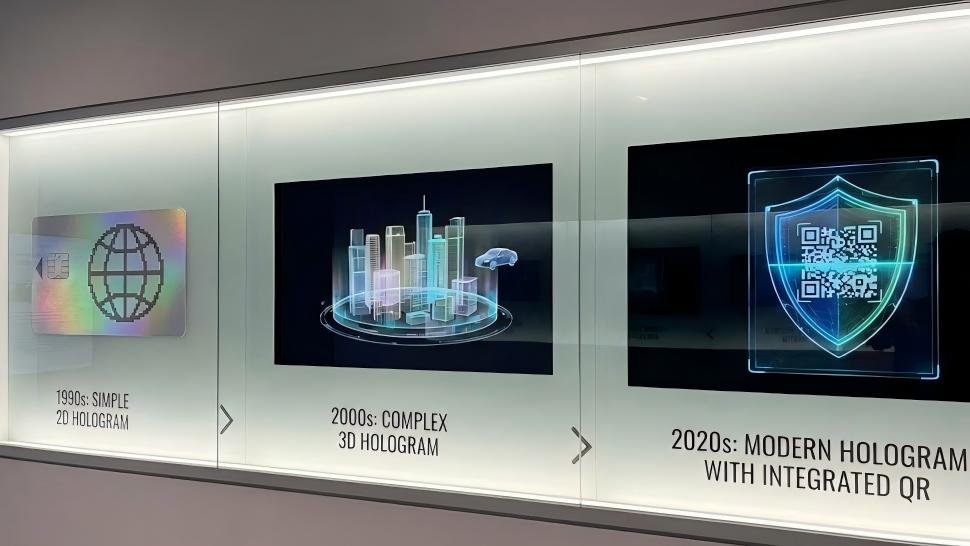
The first generation of holograms were primarily designed to be difficult to replicate. Their value was in the complex, expensive holographic mastering process. They served as a good visual signal to consumers. However, as technology became more accessible, determined counterfeiters found ways to mimic these visual effects, creating fakes that could fool the average person. The security industry recognized that a passive defense was not enough. The sticker needed to become "smart." This shift in thinking led to the integration of digital elements. The hologram's role slightly changed. It was no longer just the primary security feature; it became the secure "physical anchor" for a digital key, ensuring that the key itself could not be placed on a fraudulent item. This evolution marked the move from simple anti-counterfeiting to comprehensive brand protection.
How a QR Code Transforms a Hologram Sticker into an Interactive Safeguard
A traditional hologram is silent; it sits on a product and waits to be seen. A customer can't interact with it, and it offers no data beyond its visual presence. This silence is a vulnerability.
A QR code gives the hologram a voice. It bridges the physical product and the digital world, allowing anyone with a smartphone to instantly verify authenticity against a secure database, turning every customer into a potential brand inspector.
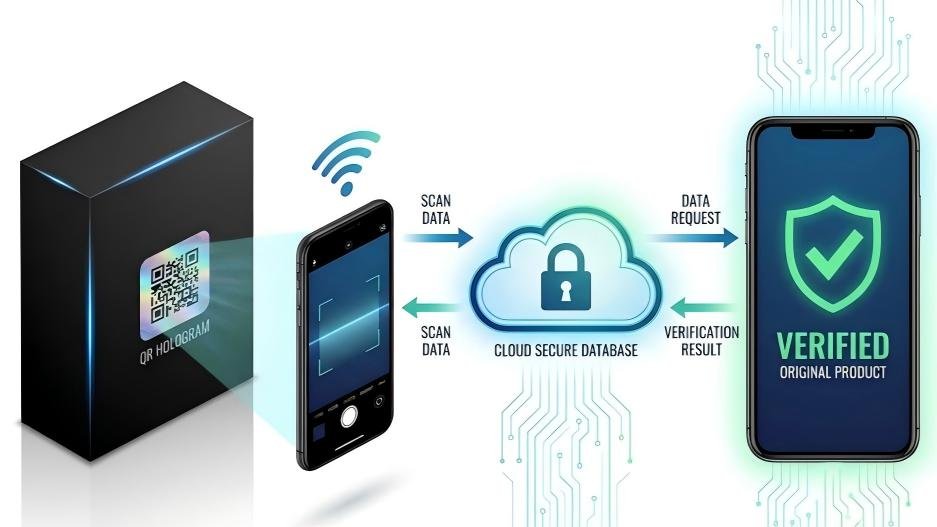
This is the "physical-digital strong authentication system" in action. It's a process with three essential parts, each with a distinct role. Missing any one part compromises the entire system.
- The Physical Anchor (Hologram): Its job is to ensure the integrity of the data carrier—the sticker itself. It uses tamper-evident features (like frangible materials or "VOID" patterns) to prove it hasn't been moved from an authentic product to a fake one. If the anchor is compromised, the key is worthless.
- The Digital Key (Unique QR Code): This is not just any QR code. It must be unique for every single item ("one item, one code"). This unique identifier is the key that corresponds to a single entry in your secure database.
- The Secure Database (The Lock): This is the backend system, the ultimate source of truth. When the QR code is scanned, the system checks if the unique ID is valid. It can also track how many times a code has been scanned, flagging potential mass counterfeiting if a single code is scanned in multiple locations.
This system is powerful because it links a physically secured object to a unique digital identity.
From Anti-Counterfeiting to Asset Tracking: The Expanded Power of a Smart Hologram Sticker
Viewing a security feature only as a cost is a limited perspective. A smart hologram does more than just prevent fraud; it can generate valuable data and even increase sales.
A QR-enhanced hologram sticker evolves from a simple security device into a multi-purpose business tool. It enables granular supply chain tracking, opens direct marketing channels with consumers, and provides a tangible return on your security investment.
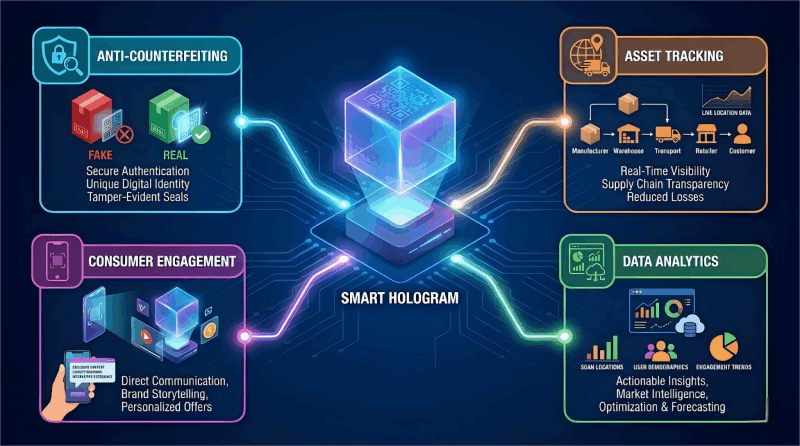
When you adopt a "one item, one code" strategy, you unlock capabilities far beyond simple verification. Suddenly, every single product unit has a unique digital identity that you can track and communicate with.
Supply Chain Visibility
By scanning products at each node of your distribution network (factory, warehouse, distributor, retailer), you gain unprecedented visibility. You can pinpoint exactly where losses or "gray market" diversions are happening. This transforms your security sticker into an asset tracking device, which I helped a client use to reduce in-transit theft by a staggering 40%.
Direct Consumer Engagement
The moment a customer scans the QR code for verification, you have their attention. That verification landing page can do more than just show a green checkmark. It can offer product information, user manuals, special promotions, or a link to re-order. It turns a post-purchase moment into an opportunity for brand building and future sales.
What Makes a QR-Enhanced Hologram Sticker Truly Secure?
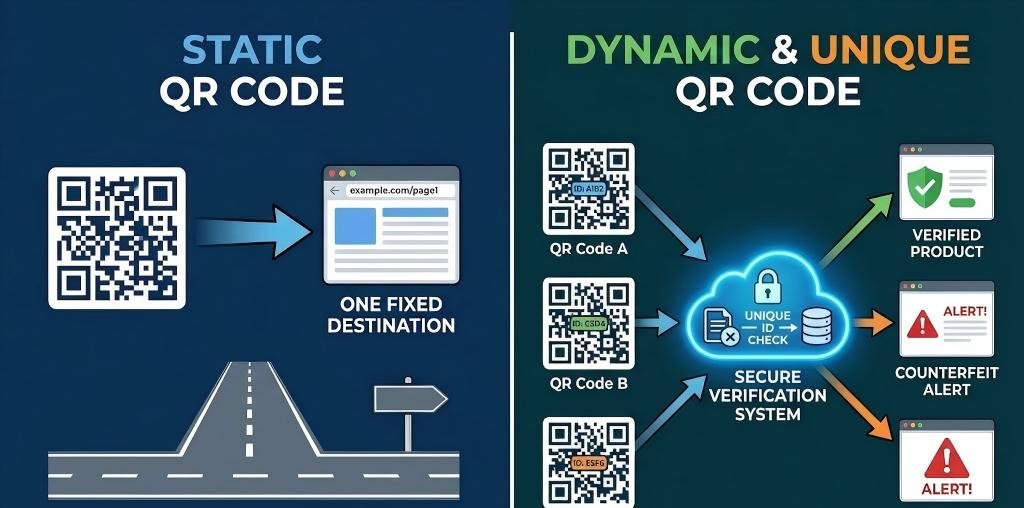
Not all QR code holograms are created equal. A publicly available QR code that links to a simple webpage offers almost no real security. A counterfeiter can copy that code in five minutes.
True security comes from the uniqueness and encryption of the QR code and the robustness of the backend verification platform. It requires a system where each code is single-use or tracked, and the database is protected against cyber threats.
I always stress two technical points with clients looking to implement this technology.
- Static vs. Dynamic/Unique QR Codes: A static QR code is one where every sticker has the exact same code, linking to the same URL. This is a marketing tool, not a security feature. A secure system uses dynamic or serialized QR codes, where each label has a unique, randomly generated code. This is the foundation of the "one item, one code" principle. Replicating one code does not help a counterfeiter defeat the entire system.
- Secure Backend Logic: A powerful backend does more than just validate a code. It should employ security logic. For example, it can use geolocation to flag if a product meant for Brazil is being scanned in Russia. It can set a scan limit, so if a single unique code is scanned more than a handful of times, it triggers an alert for potential counterfeiting. This backend intelligence is a critical, often overlooked, layer of defense.
Implementing Smart Hologram Stickers in Your Security Strategy
Adopting a new security technology can seem daunting. Where do you start? The key is to begin with a clear goal and integrate the technology into your existing processes step-by-step.
Successful implementation requires a partnership between you and your security solutions provider. It involves defining your security needs, designing a custom hologram with the right features, and integrating the backend data platform with your operations.
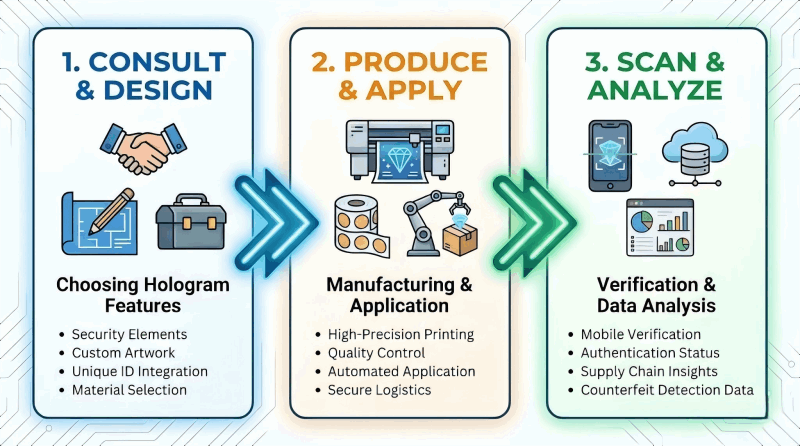
I guide clients through a phased approach.
- Define the Threat: What are you trying to prevent? Counterfeiting? Gray market diversion? Tampering? This determines the features needed for your "physical anchor."
- Design the System: Work with your provider to create a hologram that is both visually appealing and physically robust. Simultaneously, define the rules for your "digital key" and backend database. What information do you want to show customers? What alerts do you need?
- Pilot Program: Before a full rollout, launch a pilot program on a single product line or in a specific region. This allows you to train your team, test the system in a real-world environment, and work out any operational kinks. This measured approach ensures a smooth and successful company-wide implementation.
Conclusion
Combining QR codes and holograms creates a powerful, interactive security system. This physical-digital link is the modern standard for protecting your products, your brand, and your customers.
Build Your Physical-Digital Bridge with ProtegoSeal
Understanding this system is the first step; implementing it is the next. At ProtegoSeal, we specialize in creating custom QR-enhanced hologram solutions that serve as your product's unique physical-digital fingerprint. Contact us to design the smart security strategy your brand deserves.