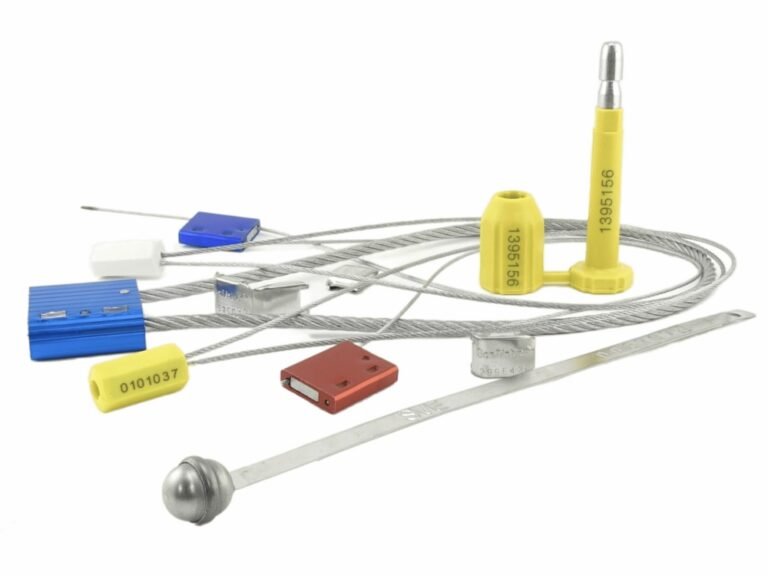
A high-security seal is meant to provide peace of mind. But when shipments still face crippling delays and inspection fees, it’s rarely the seal that failed. It’s the process, revealing that the strongest lock is useless without an unbroken system.
Mastering seal operations requires a closed-loop process: select an ISO 17712 "H" rated seal, meticulously document its number, verify its integrity before and after transit, and follow strict removal procedures. This creates an unbroken chain of custody from origin to destination.
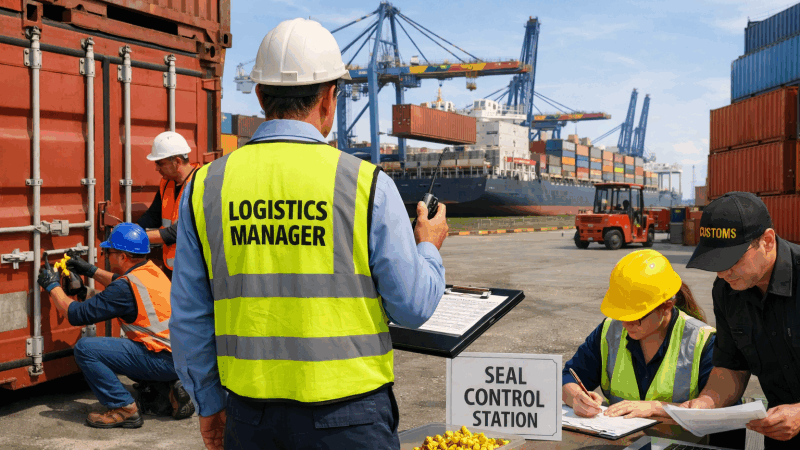
I've seen clients with the strongest seals in the world face huge losses because of a simple documentation error. They thought the seal's physical strength was the end of the story. I had to learn the hard way that a seal's real power comes from a flawless process. True security is a closed loop where information integrity and clear responsibility are maintained from start to finish. Let's walk through that loop, link by link.
How to Choose the Right Seal to Meet ISO 17712 Shipping Requirements?
All "high-security" seals look tough, so you just pick one that feels strong. This is a gamble that can get your shipment rejected by customs, especially under programs like C-TPAT.
To meet international shipping requirements, you must select a seal explicitly rated as "High Security" or "H" under ISO 17712. This ensures it's passed mandatory physical strength tests and that its manufacturer's security processes have been independently audited.
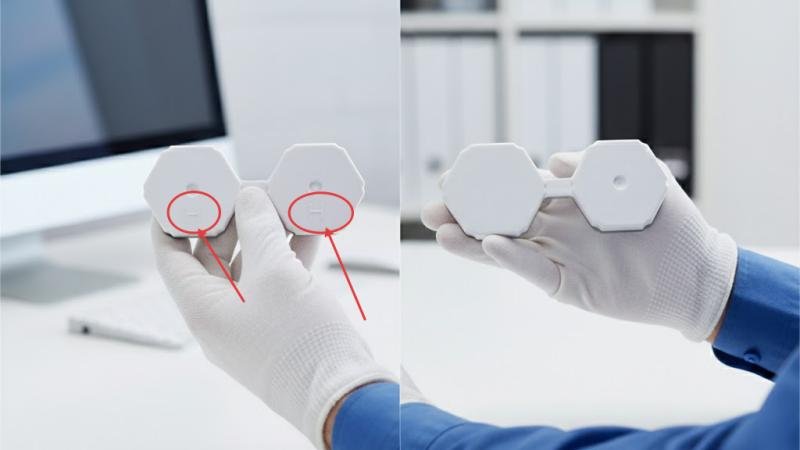
Choosing the right seal is the foundation of your entire security process. The ISO 17712 standard is the universal language spoken by carriers and customs officials worldwide. Using a certified "H" class seal is the first and most important step in demonstrating that you are following global security protocols.
Understanding the "H" Classification
The "H" for High Security isn't just a label; it's a certification earned by meeting specific clauses of the standard:
- Clause 5 (Mechanical Strength): The seal must withstand specific, brutal forces, including shear, impact, and a tensile pull of over 10,000 Newtons (2,248 lbs). This guarantees it can't be removed without heavy-duty tools like bolt cutters.
- Clause 6 (Tamper Evidence): The seal must be designed to clearly and irreversibly show evidence of tampering. This makes covert attacks nearly impossible.
The Overlooked Importance of Annex A
This is the part of the standard that separates professional suppliers from the rest. Annex A requires that the seal manufacturer's own security-related practices are audited. This audit ensures they have strict controls over their manufacturing and supply chain, preventing criminals from getting their hands on blank, unmarked, or duplicate seals. An un-audited supplier is a major break in the closed-loop system.
How to Document Seal Numbers Correctly to Prevent Costly Port Delays?
You quickly jot down the seal number and send off the paperwork. A single typo or a lazy "see attached" note can flag your container, leading to days of delays and expensive inspection fees.
Document the seal number by recording it on the Bill of Lading and manifest immediately after application. Use the "VVV" method: View the number, Verify it against the container, and Validate it on the document. This simple redundancy check eliminates most human errors.
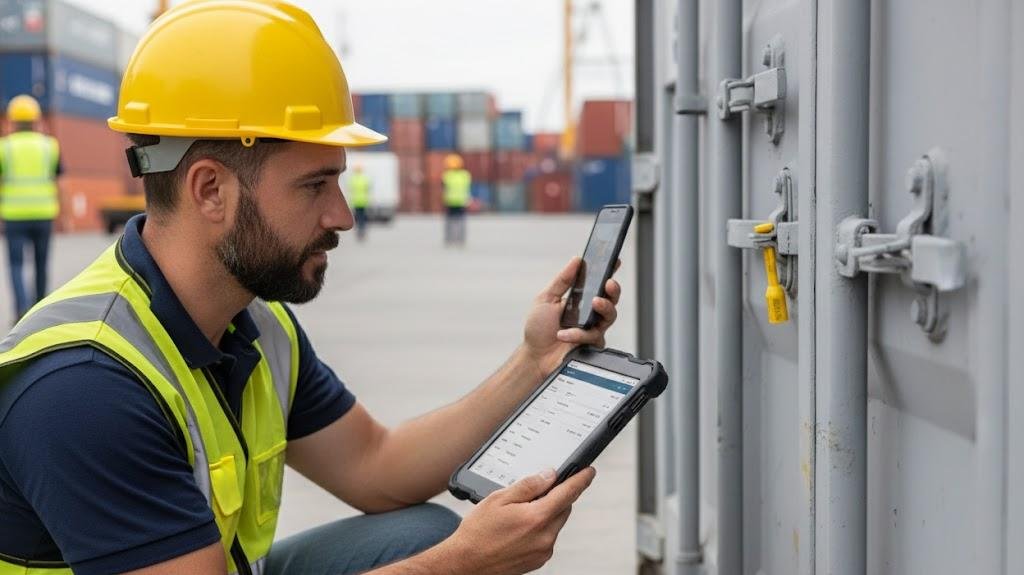
The unique seal number is the primary identifier for your cargo's security status. To a customs officer, a discrepancy between the seal number on the container and the number on the manifest is an immediate and serious red flag. It suggests the original seal was removed and replaced, a classic sign of tampering, theft, or contraband smuggling. I’ve seen shipments held for over a week due to a single digit being transposed.
The VVV Seal Documentation Protocol
This is a procedure I insist on for all my clients. It takes 30 seconds but can save thousands of dollars.
- VIEW: The person applying the seal reads the unique serial number on the bolt and pin out loud.
- VERIFY: A second person (or the same person in a check-step) visually confirms the number is correct and that the seal is properly locked on the container.
- VALIDATE: The number is immediately entered into the shipping documents (Bill of Lading, manifest, etc.). Taking a clear photograph of the locked seal with the number visible is also a highly recommended best practice.
This creates accountability and a clear data trail, reinforcing the closed security loop.
How to Inspect a Container Seal Upon Arrival to Detect Tampering?
Your container arrives with the seal intact, so you assume everything is fine. But sophisticated criminals can glue, clone, or subtly manipulate seals in ways that a quick glance will miss.
Perform a structured "Tug, Twist, and Verify" inspection. First, physically TUG the seal to ensure it’s locked. Second, TWIST the bolt and pin to check for tampering marks or glues. Finally, VERIFY the serial number and any logos against your shipping documents.
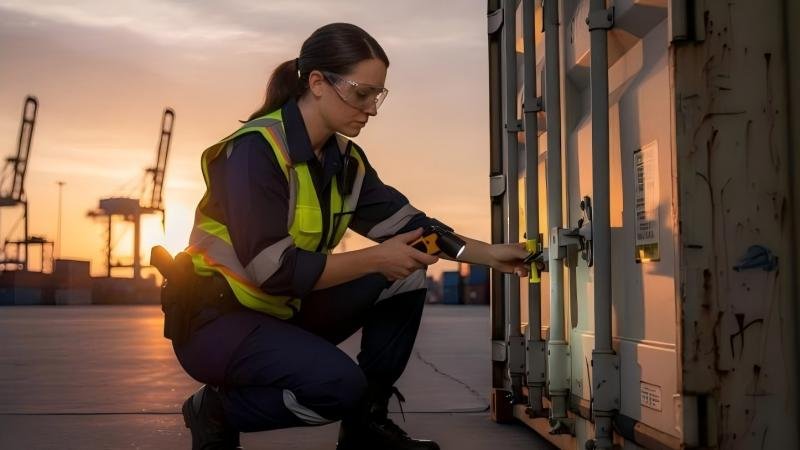
This a critical checkpoint in the closed loop. The seal’s job isn't just to be strong but to tell the story of its journey. A proper inspection is how you read that story. Sophisticated criminals won't just cut the bolt; they might try to super-glue it back together or use cloned seals. A lazy inspection misses these details.
The Inspection Checklist
| Step | Action | What to Look For |
|---|---|---|
| 1. Document Check | Compare the seal number on the manifest to the seal number on the container. | Exact match required. Any difference is a major red flag. |
| 2. Physical TUG | Grab the seal body and bolt shaft and pull them apart firmly. | Any movement or separation indicates it was not locked correctly or has been compromised. |
| 3. Manual TWIST | Try to spin the bolt within the locking mechanism. | It should not spin freely. Spinning suggests the internal locking mechanism has been defeated or broken. Look for score marks around the base. |
| 4. Visual Check | Inspect the seal body, bolt, and pin from all angles. | Look for scratches, excess paint, signs of glue, or differences in color/logos compared to a reference photo. |
How to Properly Cut a High-Security Bolt Seal After Final Verification?
The seal is verified, so you grab a hammer and chisel to smash it off. This is incredibly dangerous, can damage the container, and sends metal shrapnel flying, creating a serious safety hazard.
After final verification, use a pair of high-quality, long-handled bolt cutters (at least 24-30 inches). Cut the bolt shaft in a single, clean motion. Always wear safety glasses and gloves, and make sure personnel are standing clear during the cut.
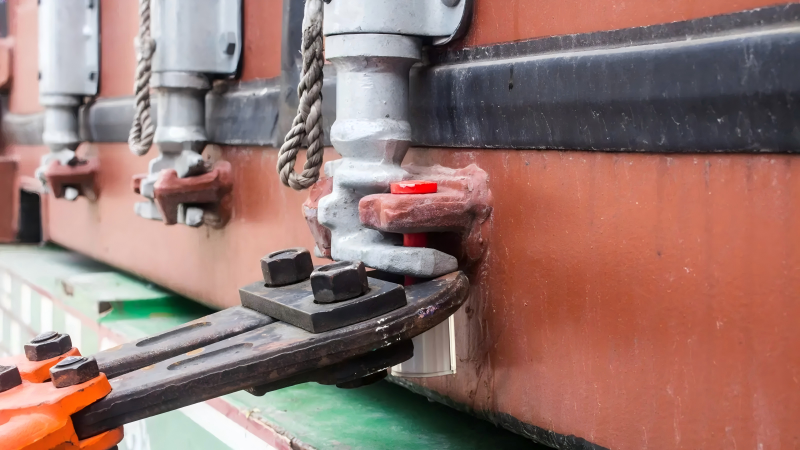
This is the final, authorized step that ends the seal's life cycle, officially closing the security loop. ISO 17712 High-Security seals are designed to be difficult to cut—that’s their primary feature. Attempting to remove them with improper tools is not only ineffective but also a significant workplace safety risk. I’ve seen workers get eye injuries from flying metal fragments when trying to smash a bolt seal. Safety and security go hand-in-hand here. The seal served its security purpose; now your job is to end its service safely. Once cut, retain both pieces of the seal until the cargo is fully unloaded and reconciled, in case a post-unloading discrepancy arises.
Common Container Seal Issues and Solutions Analysis
You followed all the steps, but problems still pop up. Seals get lost, numbers are misrecorded, and you're left dealing with the fallout, breaking the chain of integrity.
Most seal issues stem from human error or a lack of standardized procedure. The solution is to implement a strict, auditable process with clear accountability, covering seal inventory, application, and documentation. This turns a reactive problem into a proactive, managed system.

Based on my years in this industry, the problems are almost always predictable and preventable. The root cause is rarely a faulty seal; it's a faulty process. Let's break down the most common issues.
Common Problems and Proactive Solutions Table
| Common Issue | Root Cause | Proactive Solution |
|---|---|---|
| Lost or Stolen Seals | Poor inventory control. Seals are left in open, accessible areas. | Store seals in a locked, secure location. Keep a logbook tracking every seal number from inventory to application. |
| Incorrect Seal Number | Human error during documentation; no verification step. | Implement the VVV (View, Verify, Validate) protocol. Use barcode scanners or phone cameras to reduce manual entry errors. |
| Seal Damaged in Transit | Improper application (e.g., loose fit) or rough handling. | Ensure the seal "clicks" into place and is fully seated. Protect the seal area on high-risk routes if possible. |
| Disputes over Tampering | Lack of evidence. No photos were taken at origin. | Always photograph the seal after application. A time-stamped photo is powerful evidence that resolves most disputes instantly. |
By treating seal management as a core part of your Quality Management System, you can prevent these issues before they become expensive problems.
Conclusion
A container seal's hardware is just the starting point. Its true security value is unlocked only by a disciplined, closed-loop management process that ensures integrity from selection to removal.
Forge an Unbreakable Security Chain with ProtegoSeal
Don't let a broken process compromise your cargo. We provide fully compliant ISO 17712 High-Security Seals and can help you build the robust operational procedures needed to support them. Contact us to secure every link in your supply chain.