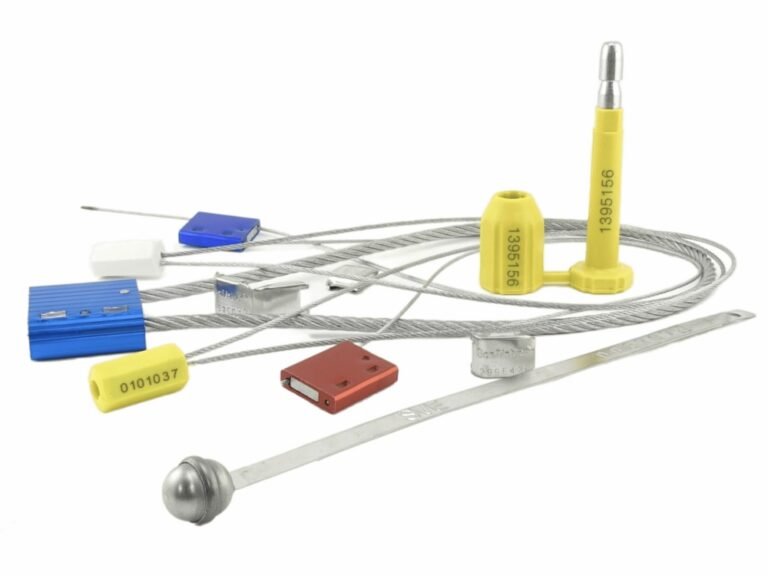
A plastic seal on your cargo container looks intact at a glance, so you sign off on the delivery. Later, you discover items are missing. The seal was tampered with in a way you didn't know how to spot.
To know if a plastic security seal has been tampered with, you must perform a multi-point inspection. Check for physical signs like stress marks and scratches, verify the serial number's integrity, examine the lock for signs of force, and look for subtle anomalies in color or texture.
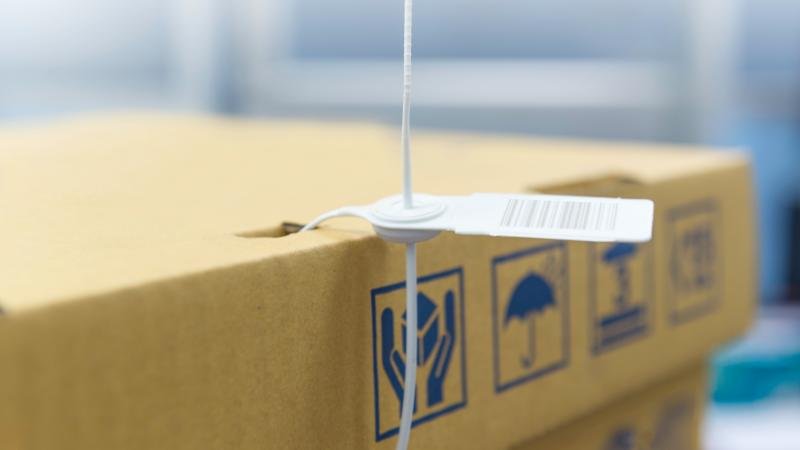
I always tell my team that plastic seals are designed to be great storytellers. Their security comes from the material's "irreversible memory." Every attempt to force, cut, heat, or alter them leaves a permanent physical or chemical record—a scar. A professional inspector doesn't just look for one clue; they look for a pattern. A single scratch might be an accident from transit, but a scratch combined with a blurry serial number and a loose fit? That's not a coincidence; that's a crime scene.
Clue 1: Inspecting for Scratches and Stress Whitening?
You see a plastic seal that looks fine, but something feels off. A thief could have pried it open and snapped it shut, leaving almost no trace if you don't know what to look for.
The first and most common evidence is physical damage to the seal's body. Look for fine scratches around the locking area, which suggest a tool was used to try to pick the lock. More importantly, look for "stress whitening." This is a faint, pale or white discoloration in the plastic that occurs when it is bent or stretched beyond its limit. It's a tell-tale sign that the seal has been forcefully manipulated.
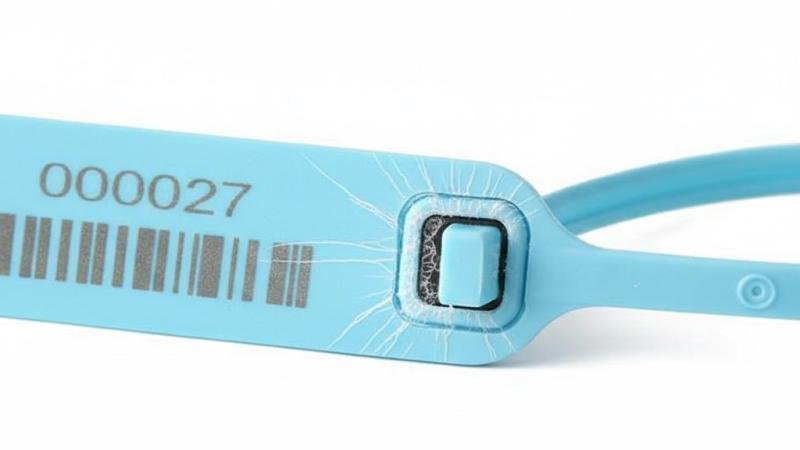
This is basic material science working in our favor. When you try to force a seal's locking tail out of its socket, you have to bend it in unnatural ways. This stretching permanently alters the plastic's polymer structure, leaving behind that milky, white mark. I always train inspectors to check the area where the tail enters the locking head. If you see stress whitening there, it’s a huge red flag that someone tried to reverse the seal out of its lock. It’s one of the most reliable clues because it’s almost impossible to hide.
Clue 2: Verifying the Integrity of the Serial Number?
The seal is on, and the number is correct. But a clever thief can shave off the original number and print a new one, replacing your high-value cargo with low-value filler.
The serial number is the seal's identity, and criminals know this. You must inspect it for more than just a match. Check for signs of tampering on the number itself. Is the printing method (e.g., laser engraving vs. hot stamping) consistent with other seals from that batch? Look for:
- Blurriness or Smudging: Genuine serial numbers are crisp and clear. Blurriness can indicate that a number has been partially erased and reprinted.
- Misalignment: Are the numbers and letters perfectly straight and evenly spaced? Crooked digits are a sign of a crude re-printing job.
- Surface Scratches: Look for fine abrasive marks around the number, indicating the original may have been sanded or scraped off.
I once worked a case where a shipment of electronics was replaced with concrete blocks. The seal number matched the manifest perfectly. But when we looked under a microscope, we saw a ghost image of the original numbers beneath a thin layer of printed film. The thief hadn't replaced the seal; they had performed "plastic surgery" on the number.
Clue 3: Examining the Locking Mechanism for Forced Entry or Residue?
A seal seems secure, but it can be pulled apart with a simple tug. This indicates the internal locking mechanism has been compromised or destroyed, often from the inside out.
The locking head is the heart of the seal. Any attack will leave evidence here. First, give the seal a firm pull. It shouldn't come loose or show any give. A loose seal means the internal locking tangs are broken. Next, look closely inside the entry point of the lock. Do you see any foreign substances? Criminals sometimes use a fine spray of oil or silicone to try and lubricate the locking mechanism, hoping to slide the tail back out. Also, look for signs of glue or adhesive residue, which suggests the seal was cut and then crudely glued back together.
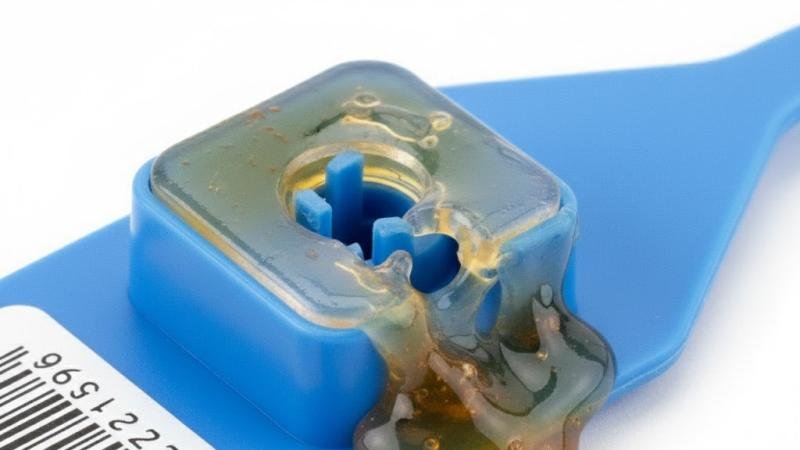
This internal inspection is critical. The external body of the seal can look perfect, but the real fight happens inside the lock. In our quality control lab, we regularly test tampering methods. One common brute-force attack is to shove a thin, sharp object (like a shim) into the lock alongside the tail to depress the locking tangs. This action almost always leaves scratches inside the lock opening and damages the plastic tangs, weakening the lock's grip.
Clue 4: Identifying Color and Texture Anomalies from Heat or Chemicals?
The seal looks right, but the color is slightly off, maybe a bit duller than the others. This isn't just a manufacturing defect; it could be the sign of a sophisticated thermal attack.
Determined thieves may use heat (like a lighter or heat gun) or chemicals (like acetone) to try to make the plastic pliable enough to be manipulated or to dissolve adhesives. These attacks always leave a trace. Look for:
- Discoloration or Fading: Heat can cause the dye in the plastic to change color or fade.
- Glossy or Melted Texture: A spot that looks shinier or smoother than the rest of the seal indicates it may have been melted and re-formed.
- Swelling or Softness: Certain chemicals can cause the plastic to swell or soften, which will be apparent to the touch.
This type of tampering is harder to spot than a simple cut, but it's not invisible. My rule is to trust my senses. If a seal's color or texture doesn't match the other seals in the shipment or the "golden sample" you have on file, it must be flagged for further investigation.
Clue 5: Spotting 'Cloned' Seals by Comparing Logos and Dimensions?
The seal is broken, but the driver hands you an identical, brand-new replacement. The numbers are different, but he claims the original just snapped. How do you know if you're looking at a clone?
One of the oldest tricks in the book is not to tamper with the original seal, but to replace it with a counterfeit, or "cloned," one. Thieves will pre-purchase a batch of similar-looking seals to have on hand. Your defense is to know your own product intimately. Compare the suspicious seal to a known, authentic one from your stock. Check for minute differences:
| Feature to Compare | What to Look For |
|---|---|
| Logo & Font | Is the company logo crisp? Is the font identical in size and style? |
| Color (Pantone) | Is the shade of color exactly the same? Clones are often a shade off. |
| Dimensions | Is the length, width, and thickness of the seal body and tail exact? |
| Mold Marks | Are the small imperfections from the manufacturing mold in the same place? |
I once caught a driver with a cloned seal because the blue of his replacement was a slightly lighter Pantone shade than our official company seals. It was a tiny detail, but it was enough to prove he had replaced the original.
Clue 6: Judging Tampering by the Feel of Tension and the Locking Sound?
You are sealing a new shipment, and when you pull a seal tight, it clicks into place with a satisfying, sharp sound. Another one feels mushy and locks silently. That silence is a warning.
This clue is about using your sense of touch and hearing during the application process itself. A well-made plastic seal is designed to give you clear feedback. When you pull the tail through the lock, you should feel distinct clicks as the tail passes over the internal locking tangs. The final lock-in should feel decisive and secure. When you test an old seal, it should feel solid with no slack. If a seal feels "soft," locks silently, or can be wiggled after locking, its internal mechanism may be damaged or compromised. It's an intuitive check that experienced personnel rely on heavily.
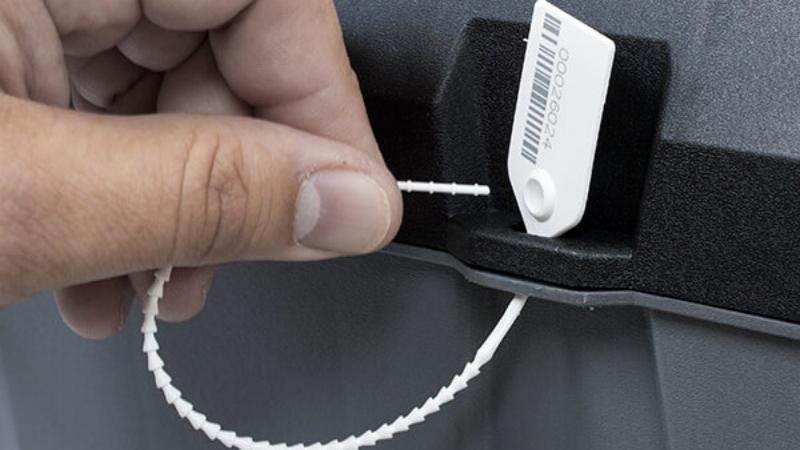
Several years ago, we had a batch of seals that were tampered with using a solvent that slightly softened the plastic locking tangs. They still locked, but they did so silently and could be pulled open with about 20 pounds of force, instead of the usual 80 pounds. The first person to notice wasn't a manager looking at reports, but a line worker on the loading dock who said, "These seals don't feel right. They're too quiet." His intuition, trained by thousands of applications, was the first line of defense.
Clue 7: Finding Signs of Cutting and Re-Welding at Connection Points?
A lazy thief can't be bothered with picking the lock. They just cut the seal's tail and try to melt it back together. Is this crude method easy to spot?
Yes, this is one of the most obvious forms of tampering, but you still have to look for it. A common method is to cut the seal's tail, remove it, and then use heat to re-weld the two ends back together. This friction welding technique leaves very clear evidence. You should inspect the entire length of the seal's tail for:
- A Thickened or Bulging Seam: The re-welded point will almost always be thicker than the rest of the tail.
- Discoloration: The intense heat from melting will discolor the plastic at the welding point.
- Misaligned Edges: It's nearly impossible to perfectly align the two cut ends, so the re-welded seam will likely be uneven or have a noticeable lip.
This is a desperate, low-skill attack. It relies on the inspector being lazy and not giving the seal more than a passing glance. Run your fingers along the length of the seal tail. You will physically feel the bump from a re-weld long before you see it.
Conclusion
A single clue can be dismissed, but a combination of stress marks, number inconsistencies, and physical damage forms an undeniable pattern of evidence, proving a plastic seal has been tampered with.
See the Unseen with ProtegoSeal
Don't let a compromised seal cost you. The high-quality plastic security seals from ProtegoSeal are engineered with features that make tampering obvious. Learn to spot the clues. Contact us to get samples and train your team to be your best line of defense.