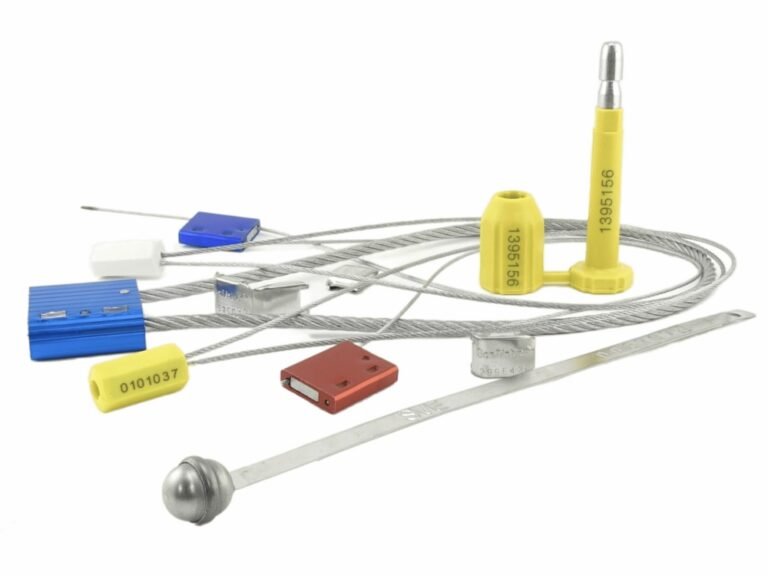
You're in a heated dispute over a utility bill. The customer claims the reading is impossible, but you have no definitive proof the meter wasn't tampered with. This is a common and costly problem.
A meter seal report is a formal document that tracks the complete lifecycle of a meter seal, from application to removal. Its core purpose is to serve as a "statement of legitimacy" for your metered data, providing physical proof that a utility meter's readings are accurate and secure.
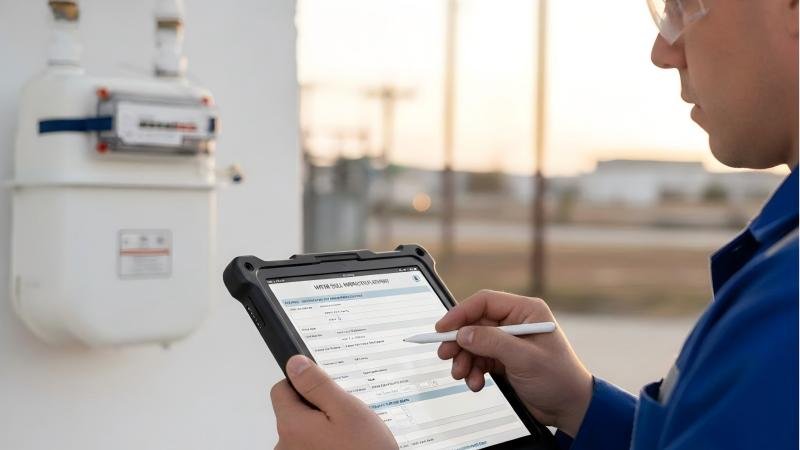
For years, I've seen companies focus only on the physical seal, thinking it's just about stopping energy theft. That’s only half the story. The real power lies in the documentation that backs it up. I had a client, a regional water utility, that was losing thousands each year in billing disputes they couldn't win. Implementing a mandatory seal report system cut their dispute-related losses by over 70% in the first year. The report, not just the seal, became their most effective tool for revenue protection.
Defining the Meter Seal Report: What Is It, Really?
You think recording a seal's serial number in a logbook is enough. But in a legal dispute, a random number without context is just a number. It proves nothing.
A meter seal report is far more than a tracking number; it's a formal "origin certification" for your metered data. It provides the essential context—the who, what, when, where, and why—for both the installation and removal of a meter seal, creating an auditable and legally defensible record of the meter’s physical security.
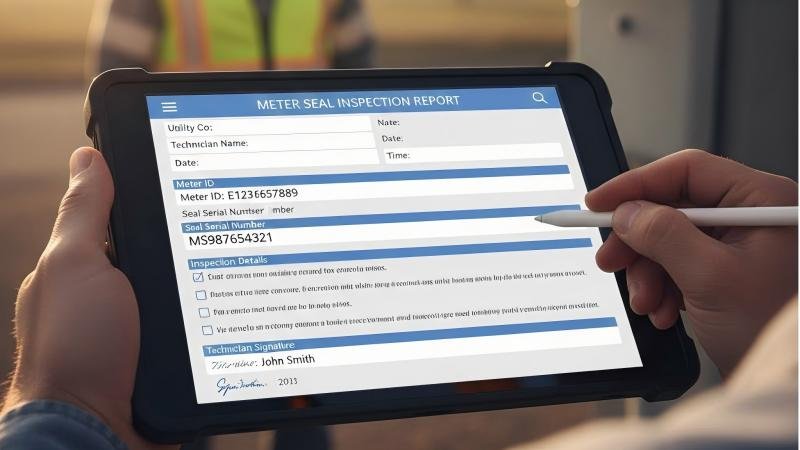
The best way to think of it is as a chain of custody document for the meter itself. While the seal physically locks the meter, the report legally binds that act of sealing to a specific time, person, and meter reading. It transforms a simple piece of plastic or wire into a powerful data point. It’s the official declaration that, as of a specific moment, the meter was secure and the data it was generating was legitimate. This moves the seal from being a simple deterrent to being a proactive piece of evidence.
Why is This Document Crucial for Utilities and Asset Management?
Minor discrepancies in individual meter readings can seem trivial. But when multiplied across thousands of customers, these small leaks can lead to huge annual revenue losses and damaged credibility.
This document is crucial because its primary role in business is to definitively end billing disputes. While it deters theft, its most frequent and valuable application is providing the undeniable proof needed to resolve customer complaints about over-billing. It protects revenue, builds customer trust, and establishes accountability for every service call.
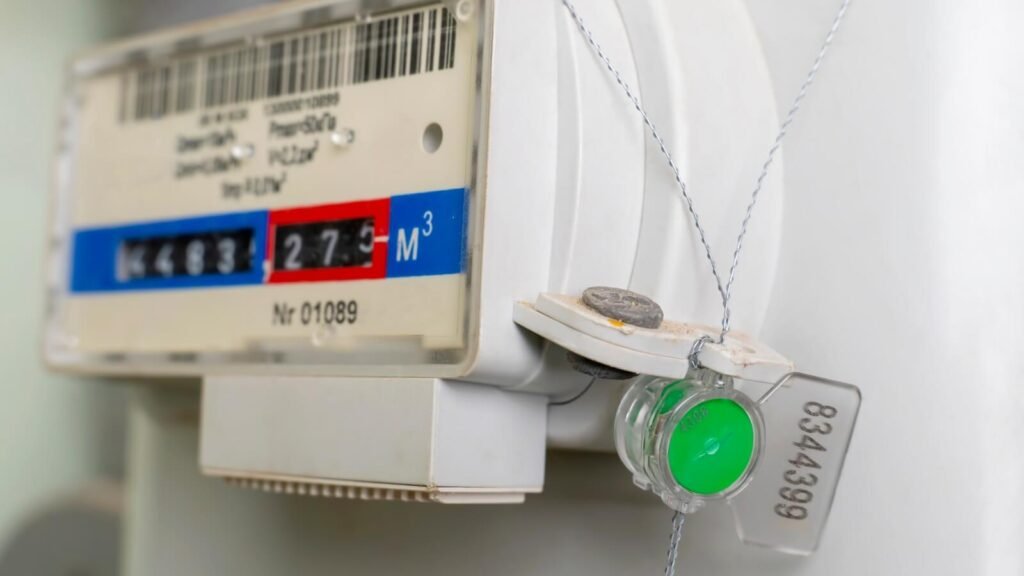
I've seen it time and again in my work. A customer calls, furious about a high bill, and claims the meter must be faulty or that it was tampered with. Without a meter seal report, it's the customer's word against yours. With the report, the conversation changes completely. You can present a time-stamped record, showing the seal was intact during the billing period. The burden of proof shifts. The report provides a factual anchor in an otherwise emotional argument, protecting your staff and your bottom line.
Key Benefits of a Meter Seal Report
- Dispute Resolution: Provides concrete evidence to validate billing, quickly resolving customer complaints.
- Revenue Protection: Prevents revenue loss from both unauthorized tampering and unsubstantiated billing challenges.
- Operational Accountability: Creates a formal record of technician activity, ensuring protocols are followed.
- Legal Evidence: Serves as a credible document in legal proceedings or regulatory audits.
What Key Information Must a Proper Report Contain?
Your technician just jots down the seal number on a work order. When a dispute arises six months later, that single piece of data is almost useless. It lacks the necessary detail to be credible.
A proper, defensible report must be comprehensive. It needs to contain a complete set of data points that together create a clear and unassailable record of the sealing event. Simply recording the seal number is not enough; a robust report must be able to stand on its own as evidence.
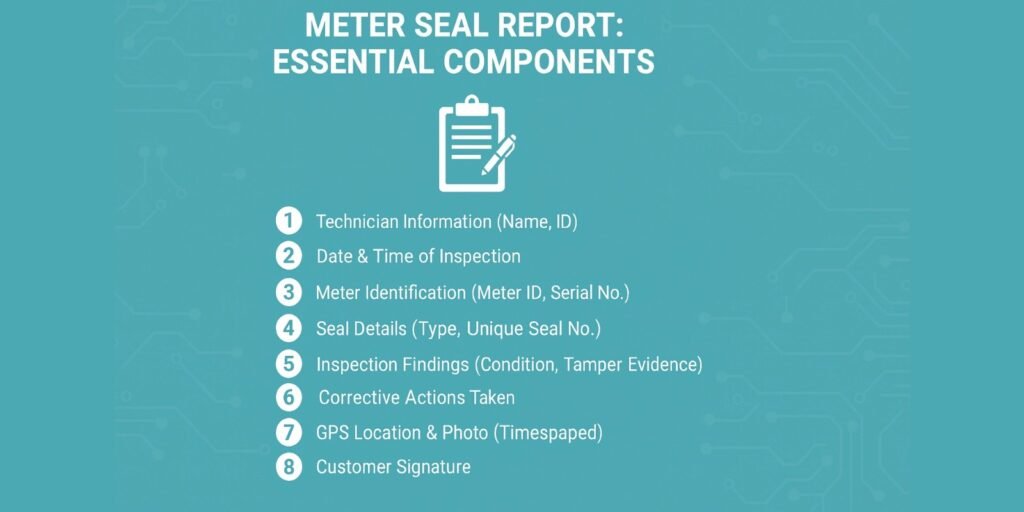
Building a solid report template is the most important step in implementing a meter sealing program. Based on my experience helping clients create these systems, the following fields are non-negotiable for creating a report that will actually hold up under scrutiny.
| Data Field | Why It's Essential |
|---|---|
| Unique Seal Serial Number | The primary identifier for the physical seal. |
| Meter ID / Serial Number | Links the seal to the specific asset it is securing. |
| Full Address / GPS Coordinates | Confirms the exact location of the service. |
| Date and Time of Application | Establishes the precise start of the secure period. |
| Technician's Name & ID | Ensures personal accountability for the action. |
| Meter Reading at Application | Provides the critical "origin point" for future billing. |
| Reason for Sealing | Documents the context (e.g., new install, maintenance, audit). |
| Photo Evidence (Optional but Recommended) | Provides visual, time-stamped proof of a correct application. |
From Installation to Removal: How Does the Report Track a Seal's Lifecycle?
You diligently document when a new seal is put on, but you have no formal process for when it's removed. This creates a critical gap in your security log and your chain of custody.
The report must function as a "passport" for the seal, documenting its entire life journey from birth (installation) to death (removal). A complete record includes two entries for every seal: one for when it's applied, and one for when it's cut. This creates a closed-loop security system with no gaps.
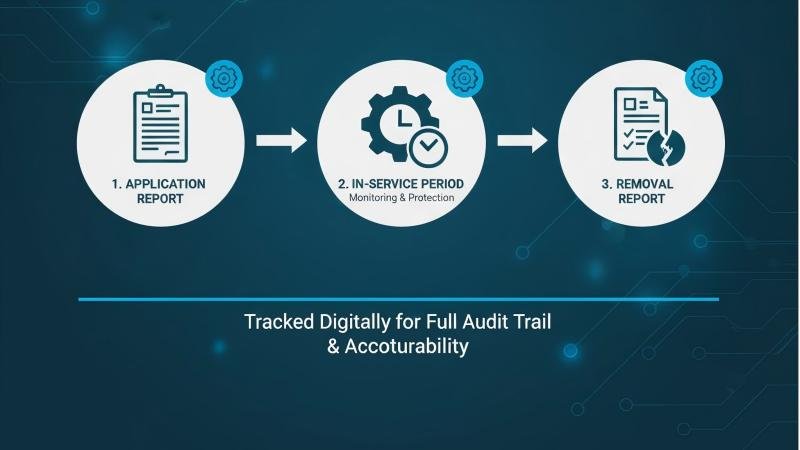
This two-part reporting process is vital. The installation report validates the start of a secure billing cycle. The removal report officially closes it. The removal report is just as critical and should contain:
- Confirmation of the Original Seal Number: Verifying it's the same seal and hasn't been replaced.
- Date and Time of Removal: Pinpointing the exact end of the secure period.
- Technician Performing Removal: Maintaining accountability.
- Final Meter Reading: Capturing the final, validated data point.
- Reason for Removal: Documenting why access was needed (e.g., meter replacement, service termination).
By documenting both events, you create a complete, unbroken history for each service point.
How Do Detailed Reports Prevent Tampering and Resolve Disputes?
You have a seal on the meter, but fraud is still happening. A clever thief can bypass the seal, steal energy, and then cleverly replace it with a counterfeit, leaving you with no evidence.
Detailed reports are a powerful anti-tampering tool because they add a layer of data that is much harder to counterfeit than the physical seal itself. A criminal might be able to find a fake seal, but they cannot fake a documented history. The report system creates obstacles that make tampering too risky and complicated.
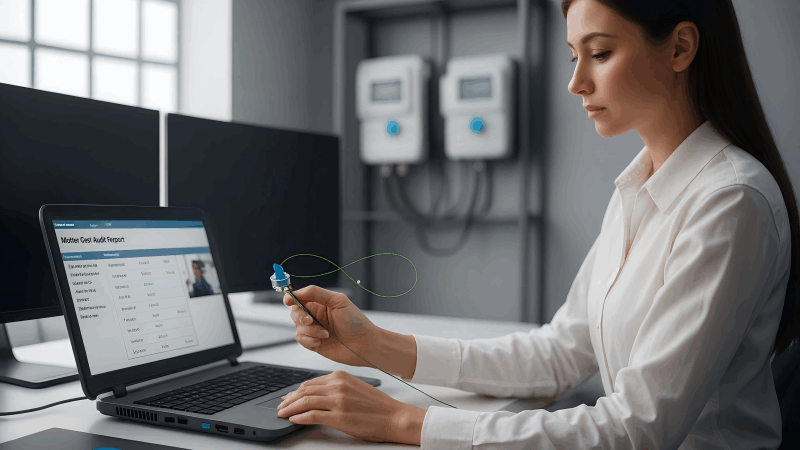
This is where the system comes together. During a routine audit or a dispute investigation, the report is your ground truth. An auditor arrives at a property. First, they check the seal's serial number against the number listed in the report for that address. If they don't match, you have instant evidence of tampering. If the seal is missing entirely, the report proves one was supposed to be there. This data-driven approach, mandated by a regulatory body in some regions, makes it extraordinarily difficult for tampering to go unnoticed. It forces a level of accountability that a simple physical object alone can never achieve.
Conclusion
A meter seal report is not just a log; it is a legal and financial document that certifies the integrity of your metered data, serving as your most powerful tool in preventing fraud and ending billing disputes.
Certify Your Data Integrity with ProtegoSeal
Stop arguing and start documenting. A robust sealing protocol requires both reliable hardware and an impeccable reporting system. The uniquely numbered meter seals from ProtegoSeal provide the foundation for a defensible chain of custody. Contact us to build a security system that protects your data and your revenue.