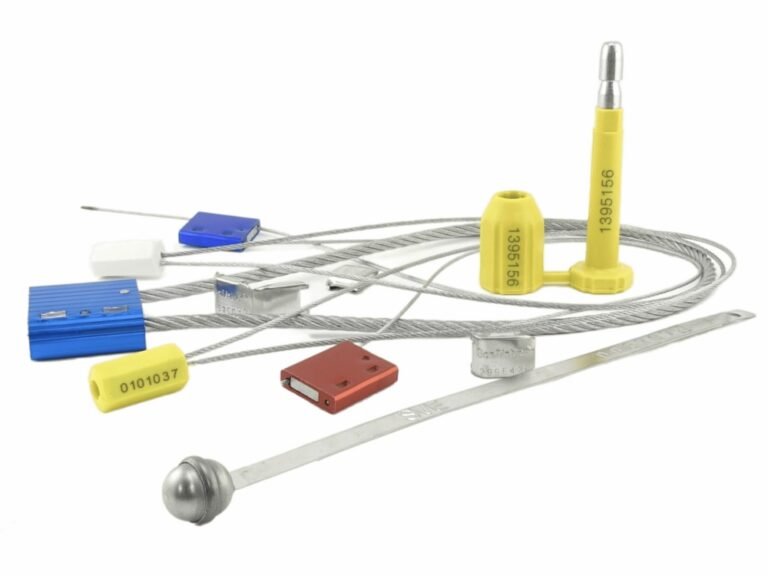
You secure a tote box with a sturdy, unmarked plastic seal. It looks secure. You assume that as long as it's intact upon arrival, your goods are safe.
But this creates a massive security blind spot. A thief can simply cut off your unmarked seal, take what they want, and replace it with an identical, brand-new seal. You would never know you've been robbed.
Numbered plastic seals prevent theft by creating a unique, verifiable data point for each asset. This shifts security from a simple physical check to a data-driven verification, making it nearly impossible for a thief to replace a seal without being immediately detected.
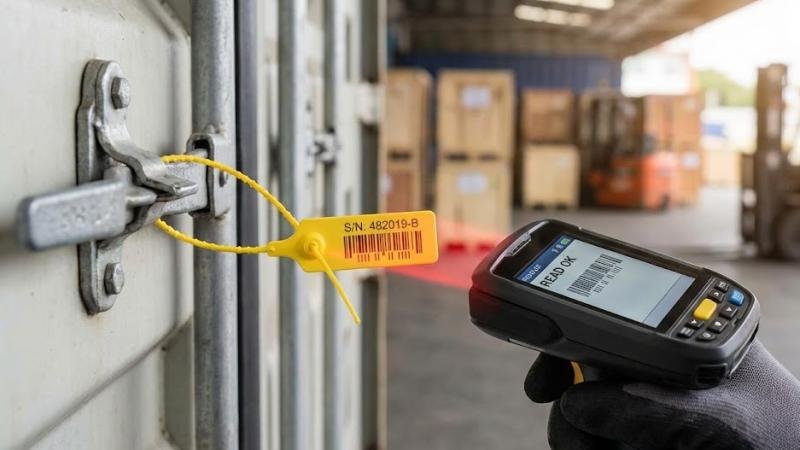
I'll never forget the early days of my career. A client was losing inventory but their trailers always arrived with seals intact. They were baffled. The breakthrough came when we realized the problem wasn't physical; it was informational. An unmarked seal can't protect you from replacement fraud. A numbered seal, however, completely changes the game. Its power isn't just in the plastic; it's in the data. It transforms the security question from a simple "Is a seal present?" to a data-driven "Is this the correct seal?" That single change is what makes hidden theft nearly impossible and acts as the ultimate deterrent.
What Is the Critical Security Blind Spot of an Unmarked Seal?
You check your arriving shipment and the seal is there, perfectly intact. But when you open it, inventory is missing. How is this possible?
You've just experienced the critical flaw of an unmarked seal: the illusion of security. It can only report physical breakage, not fraudulent replacement.
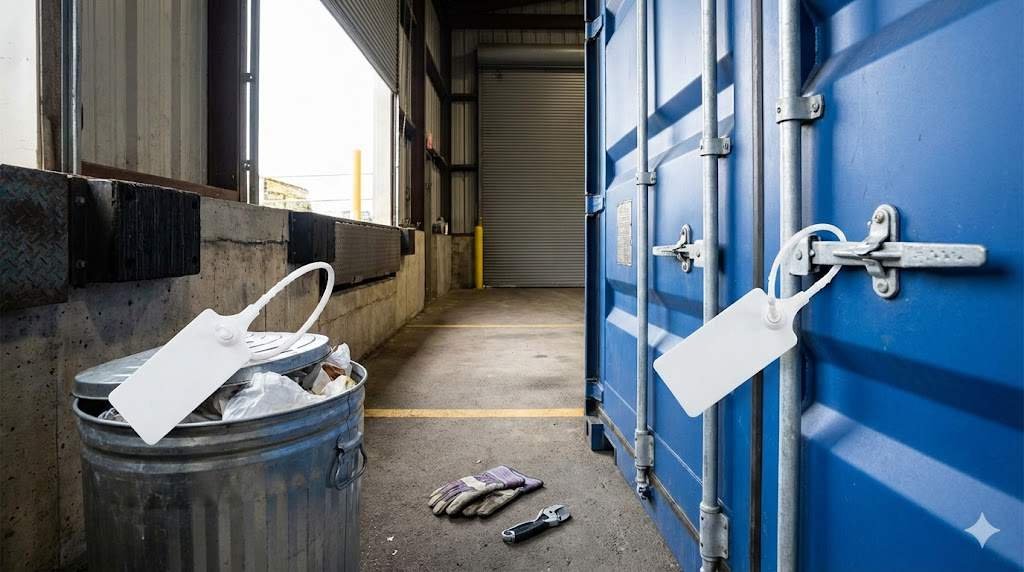
An unmarked seal exists in an information vacuum. Its security value is limited to its physical presence. The moment it is applied, it has a single job: to stay there. But what happens if it doesn't? A thief can easily and cheaply buy a bag of 1,000 identical unmarked seals. They can cut yours off, steal your goods, and apply a fresh, identical seal in seconds.
When your team receives the shipment, they perform their check:
- Is a seal present? Yes.
- Is it physically broken? No.
The shipment is signed off as secure, and the theft isn't discovered until much later, if ever. The unmarked seal has failed because it cannot answer the most important question: "Are you the original seal?" This is its fatal security blind spot.
How Does a Unique Number Create a Verifiable Audit Trail?
You know a theft occurred sometime between the warehouse and the final store. But where? And who is responsible?
Without data, you're just guessing. A unique serial number is the key to transforming a simple piece of plastic into a powerful data point in a verifiable audit trail.
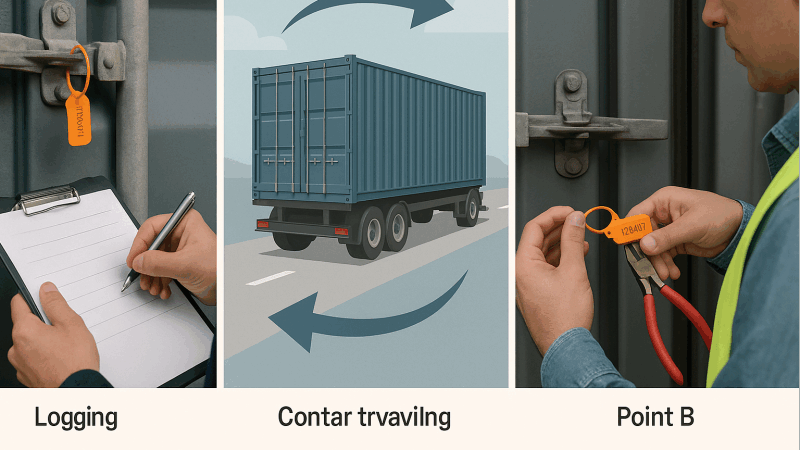
The process is incredibly simple but profoundly effective. I've helped dozens of clients implement this and the results are almost immediate. It creates accountability at every step.
Step 1: Logging the Data
When a shipment is sealed at the point of origin (e.g., your distribution center), the seal's unique number is recorded. This can be done manually on a manifest or, more effectively, by scanning its barcode into your logistics software. This act instantly links that specific physical container to a unique data entry. The manifest now doesn't just say "sealed"; it says "sealed with #A1234567."
Step 2: Verifying the Data
Upon arrival at its destination, the receiving party performs a two-step check:
- Physical Integrity: Is the seal intact?
- Data Integrity: Does the number on the seal match the number on the manifest (#A1234567)?
If the numbers don't match, you have instant, undeniable proof of a security breach. You now know the breach occurred after it left the origin and before it reached the destination. This narrows down your investigation immensely and establishes a clear chain of custody.
Can Numbered Seals Still Prevent Tampering by Internal Staff?
You trust your team, but you also know that the vast majority of cargo theft is an inside job. How does a number on a seal change human behavior?
It works by removing the single most important factor in opportunistic theft: the low risk of getting caught.
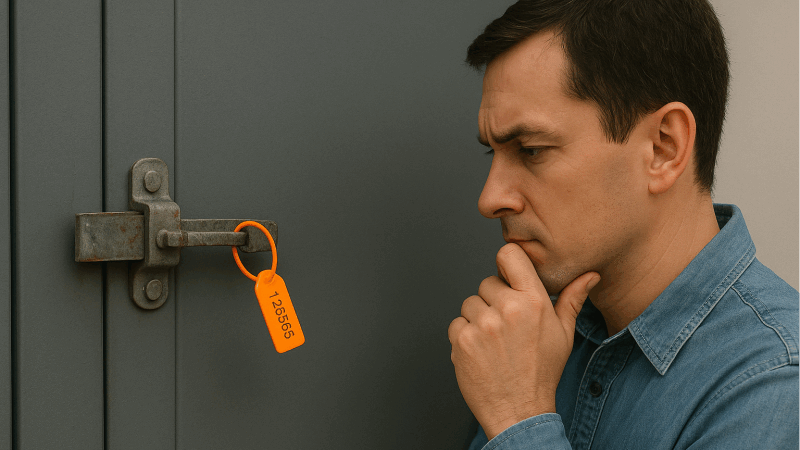
Most internal theft isn't a master plan; it's a crime of opportunity. An employee sees an unmarked seal, knows they can easily snip it and replace it, and believes the act will be untraceable. The risk seems low. A numbered seal completely changes this psychological calculation.
The employee now knows:
- The seal's number is recorded in a log.
- Any replacement, even with another numbered seal, will create a number mismatch.
- That mismatch is direct, hard evidence that tampering occurred on their watch.
By implementing a logged, numbered seal system, you are not showing distrust. You are removing temptation. In my experience, the simple act of implementing this system often causes internal "shrinkage" to drop dramatically, not because more people are caught, but because the opportunity to commit the crime without being noticed has been eliminated. The numbered seal acts as a powerful deterrent.
What If a Thief Tries to Replicate the Seal's Number?
A determined thief sees the number. Can't they just make a new seal with the same number?
This is a valid concern, but it highlights the difference between casual opportunism and sophisticated, organized crime. A numbered system is designed to defeat the former, which accounts for over 90% of theft.
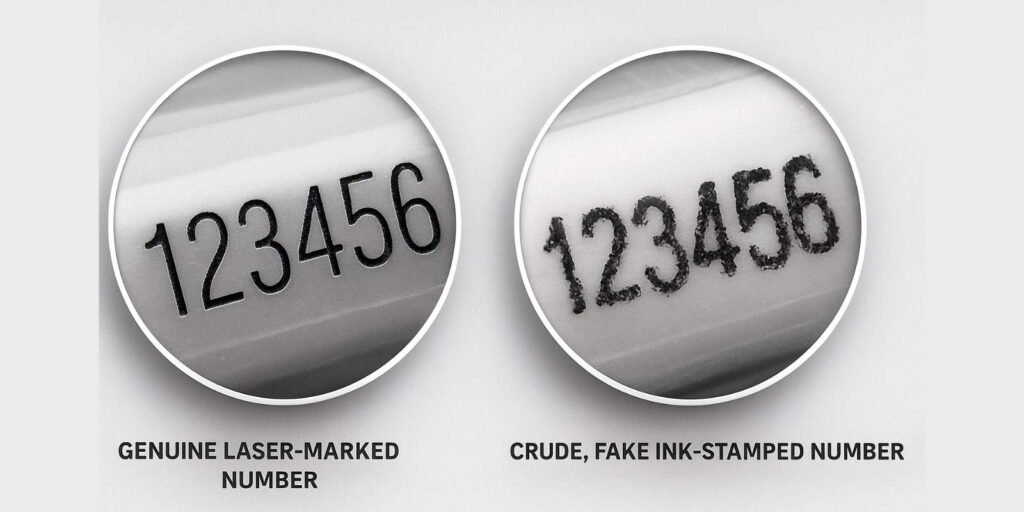
Defeating a professionally numbered seal is extremely difficult and costly for several reasons:
- Unique Tooling: Reputable manufacturers use proprietary molds and production techniques. Making a physically identical seal requires huge investment.
- High-Quality Marking: Professional seals are marked using high-power laser engraving, which creates a sharp, permanent, and clean mark. Trying to replicate this with ink stamps or crude etching is instantly noticeable upon close inspection.
- Economic Impracticality: The time, effort, and cost to produce a single, convincing counterfeit seal to steal a few items is simply not worth it for most criminals. They will move on to a softer target—the company next door that still uses unmarked seals.
The numbered seal raises the bar for theft from a low-skill, high-reward crime to a high-skill, low-reward one.
How Can You Quantify the ROI of a Numbered Seal System?
Your finance department asks: "How much will this cost?" Your response should be: "How much is it costing us not to do this?"
The Return on Investment (ROI) of a numbered seal system is not just about the thefts you stop, but also the operational efficiencies and confidence you gain.
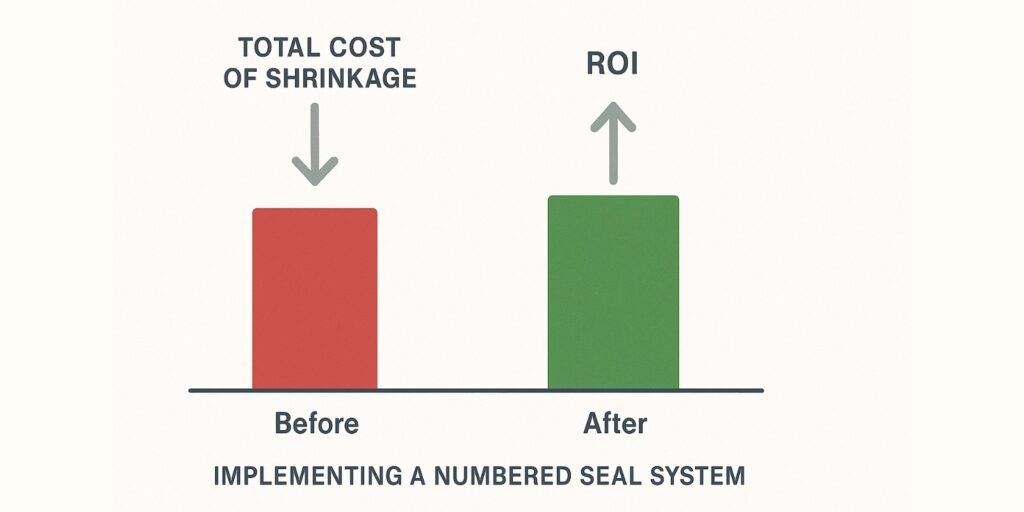
I always walk my clients through this calculation. A numbered plastic seal might cost a few cents more than an unmarked one, but the value it provides is immense.
| Cost of Unmarked Seals | Value of Numbered Seals |
|---|---|
| Direct Cost of Lost Goods | Prevention of theft through deterrence. |
| Investigation Costs (Labor hours spent trying to figure out what happened) | Instant breach identification, saving investigation time. |
| Insurance Premium Increases (Due to high claim rates) | Lower claims and potentially lower premiums over time. |
| Reputational Damage (Losing client trust due to lost shipments) | Increased customer confidence and supply chain integrity. |
| Blame Culture & Low Morale | Clear accountability and trust in the system. |
Think about one prevented theft of a $1,000 pallet of goods. That single event could pay for your entire company's supply of numbered seals for a year. The ROI is usually measured not in months, but in the prevention of a single incident.
Conclusion
Numbered seals turn a passive piece of plastic into an active security agent. They close the critical information blind spot of unmarked seals, creating a data-driven audit trail that deters theft, builds accountability, and provides a clear ROI.
Build Your Audit Trail with ProtegoSeal
Stop leaving your security to chance. At ProtegoSeal, we specialize in high-quality, uniquely numbered plastic seals that form the backbone of a modern security strategy. Contact us to shift your security from guessing to knowing.