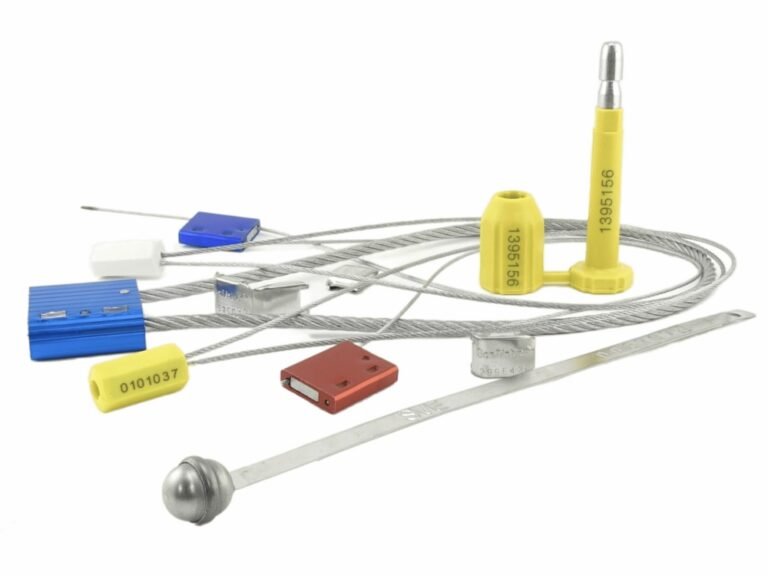
You need to seal a container, but you're facing a wall of jargon: bolt seals, cable seals, plastic seals. Is a bolt seal the same as a container seal, or is it something different? Choosing wrong can lead to serious compliance issues.
Yes, a bolt seal is one of the most important types of container seals. It is specifically the high-security standard for securing international shipping containers due to its unique design, which is optimally adapted to container locking mechanisms and global regulations.
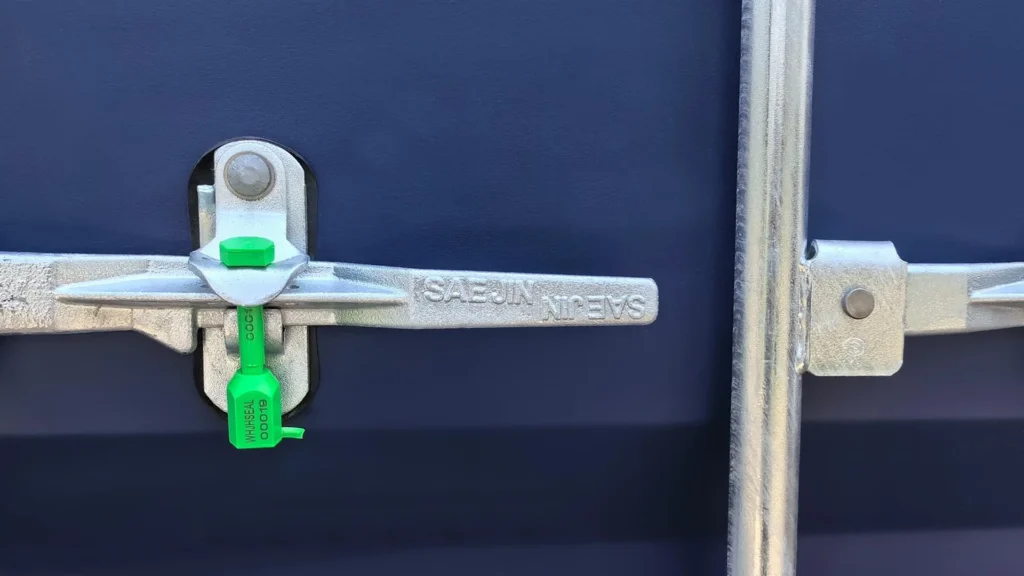
I always tell my clients: a bolt seal isn't just a type of container seal; it's the "optimal adaptation" for the standardized world of global containerization. While a high-security cable seal can have the same ISO security rating, the bolt seal's design and application are a near-perfect match for the efficiency and reliability demanded by international sea freight. This specific fit is why it has become the default choice and undisputed standard for securing goods across oceans. Let's explore what that means.
The Short Answer: Yes, and a Critically Important One
So, is a bolt seal a container seal? You're looking for a quick, clear answer.
Yes, absolutely. A bolt seal is a primary and essential category of container seal, specifically recognized as the benchmark for "high-security" applications in international shipping.
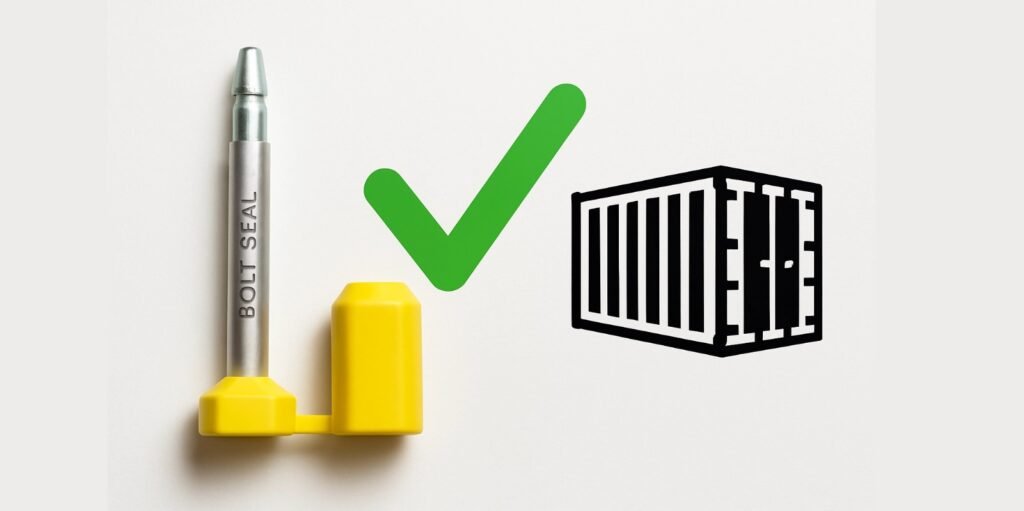
Think of "container seal" as the job title and "bolt seal" as the star employee who holds that title for high-stakes projects. While other seals can secure a container, the bolt seal is purpose-built for the most demanding scenarios: cross-border shipments under strict customs regulations. When a shipping line or a customs authority like the US CBP refers to a "high-security container seal," they are almost always talking about an ISO 17712 "H" certified bolt seal. Its role is to provide a single-use, tamper-evident barrier that locks in the chain of custody across thousands of miles.
Understanding "Container Seals": Not Just One Type, But a Role to Fulfill
Why are there so many different types of seals if they all do the same thing?
Because "container seal" is not a single product; it describes a role. The role is to provide physical evidence of whether a container's doors have been opened after it was sealed. Different seals fulfill this role with varying levels of security.
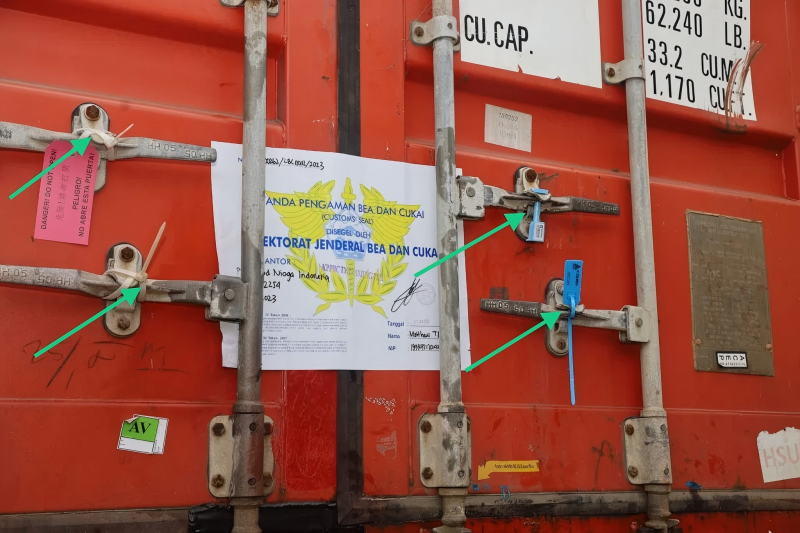
When I started in quality control over a decade ago, this was one of the first things I learned. You don't choose a seal based on its name; you choose it based on the job it needs to do. The value of your cargo, the risk of your route, and the type of journey all dictate the level of security required. A seal’s job is to be the silent witness for your cargo.
The Security Spectrum:
- Tamper Evidence: At the most basic level, the seal just needs to show if it has been opened. This is for low-risk scenarios.
- Barrier Security: At a higher level, the seal must also provide a physical barrier that is difficult and time-consuming to defeat. This is for high-risk, high-value shipments.
A bolt seal excels at the latter, making it the go-to for valuable international shipments.
Meet the Seal Family: Bolt Seals vs. Cable Seals vs. Plastic Seals
You know you need a container seal, but which one is right for which job?
Each seal type has a distinct design and purpose. A bolt seal offers rigid strength for container handles, a cable seal provides flexible security for varied hardware, and a plastic seal offers simple tamper evidence.
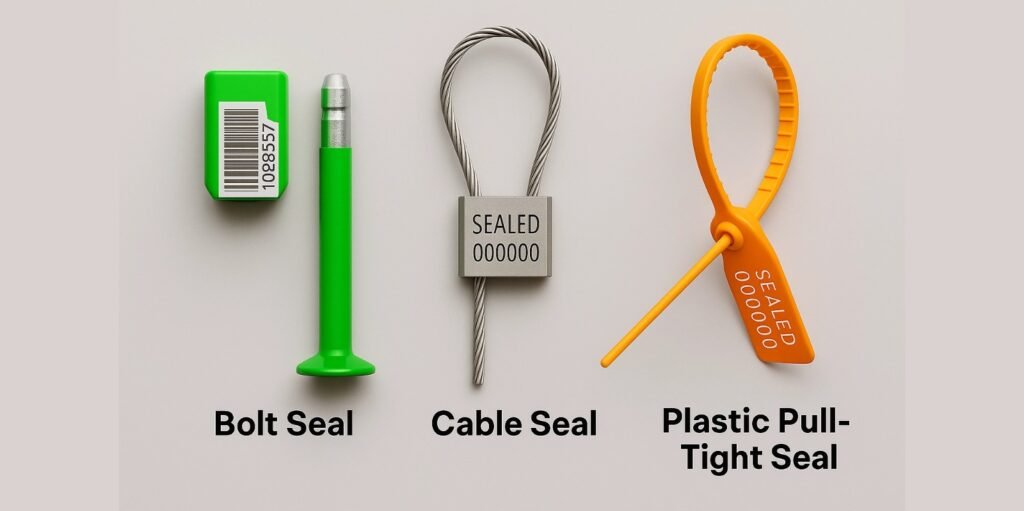
Choosing the right family member is about matching the tool to the task. Using a plastic seal on a high-value international shipment is like using a butter knife for a job that needs bolt cutters. It’s simply the wrong tool. Here’s a quick breakdown I often share with clients to clarify the differences.
| Seal Type | Security Level | Best Use Case | Key Characteristic |
|---|---|---|---|
| Bolt Seal | High-Security (H) | International Containers | Rigid, one-time use, perfect for cam-lock handles. |
| Cable Seal | Security (S) / High (H) | Truck roll-up doors, railcars | Flexible steel cable fits irregular closures. |
| Plastic Seal | Indicative (I) | Short-haul domestic, empty moves | Provides clear tamper evidence at a low cost. |
While both bolt and cable seals can be "High-Security," the bolt seal's design gives it a critical advantage in the specific context of shipping containers.
Why Bolt Seals Are the "High-Security" Choice for International Shipping?
Both bolt and cable seals can be ISO "H" rated. So why is the bolt seal the default for sea freight?
The bolt seal's dominance comes from its "optimal adaptation" to container hardware. Its rigid, two-part design integrates perfectly with standardized container cam-lock handles, creating a more secure, reliable, and efficient system than a flexible cable.
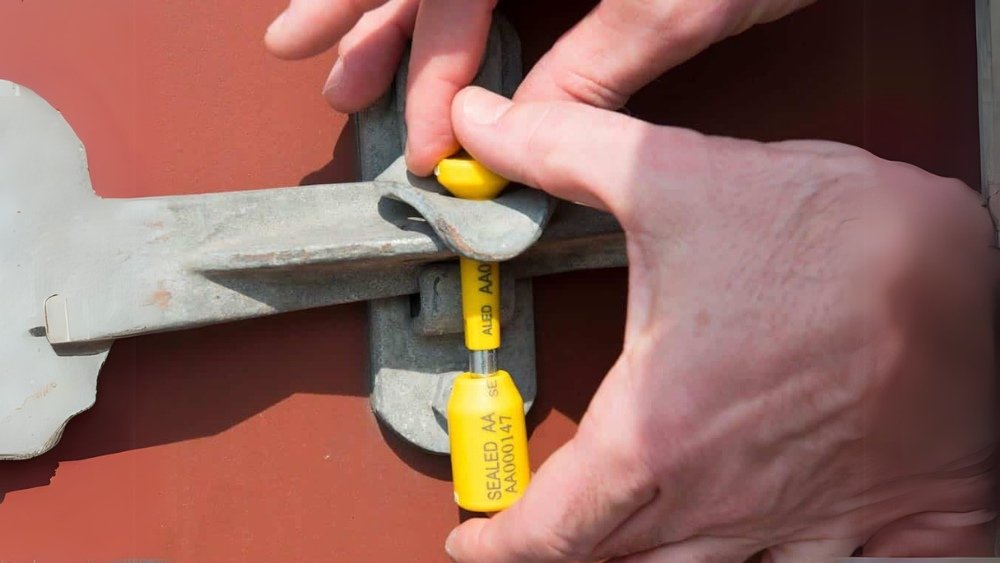
This is my core insight. It's not just about passing a lab test; it's about performance in the real world.
- Structural Superiority: A bolt seal creates a rigid barrier. Once locked, there is no slack. It physically obstructs the handles from turning. A cable seal, while strong, can leave a loop of slack that thieves might try to manipulate. The bolt seal's design is simpler and less prone to application error.
- Efficiency in Application: The "click-and-tug" application of a bolt seal is incredibly fast and unambiguous. You push it until it clicks, you pull on it to confirm it's locked. This simplicity is vital when sealing hundreds of containers a day in a busy port.
- The Global Standard: Because of this superior fit and efficiency, the bolt seal became the de facto standard for intermodal freight transport. This created a network effect; customs, shippers, and carriers all invested in processes built around the bolt seal, solidifying its position.
How to Choose the Right Container Seal for Your Shipment?
You understand the differences, so how do you make the right choice every time?
Follow a simple decision-making process. By evaluating your cargo's value, your route's risk, and your compliance needs, you can easily determine the correct class of seal for any shipment.
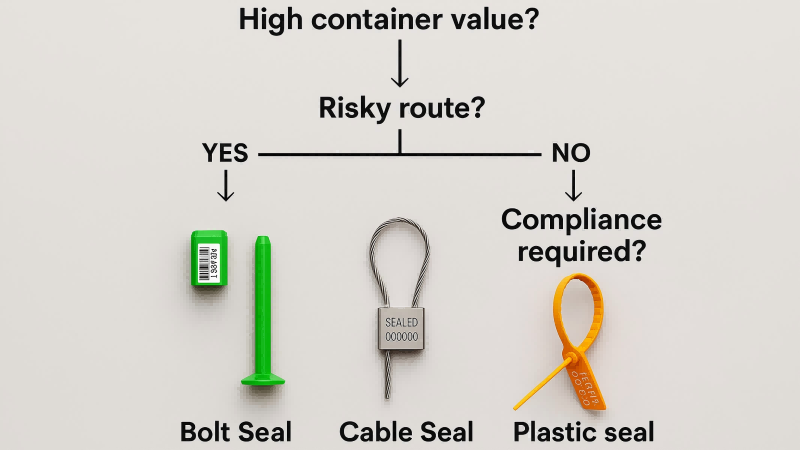
I advise my clients to never guess. Turn the decision into a quick, repeatable checklist to ensure consistency and security on every single shipment. This isn't about what you feel is right; it's about what the risk profile demands.
Your 3-Step Seal Selection Guide:
- Is this an international, cross-border shipment, especially by sea?
- Yes: You need an ISO 17712 "H" rated seal. The default and best choice is a Bolt Seal.
- Is this a domestic shipment with irregular locking points (e.g., truck roll-up door, mismatched hasps)?
- Yes: Flexibility is key. A Cable Seal is your best option. Choose the diameter/security level based on cargo value.
- Is this a short-haul shipment of low-value goods, or are you just sealing an empty container for repositioning?
- Yes: Your primary need is simple tamper evidence. A numbered Plastic Seal is the most cost-effective solution.
Conclusion
A bolt seal is not just a type of container seal; it's the high-security standard, optimally designed for the rigorous demands of international freight. Its success lies in its perfect, efficient, and reliable fit within the global containerized logistics system.
Get the Optimal Seal for Your Container with ProtegoSeal
Don't just buy a seal; choose the right one. At ProtegoSeal, we help you match the perfect, fully certified seal to your specific shipping needs. Contact us to ensure your containers are sealed with confidence and compliance.